

There’s an old saying that you don’t truly grow until you plant something that outlives you. For millions of digital natives scrolling through an overstimulated and over-commodified internet, that wisdom feels as foreign as heirloom seeds on a fast-food tray. Yet on a modest homestead in the American South, a former nightclub manager named Matthew Gauger is quietly reviving that ethos and, in the process, nurturing a movement rooted in humility. His nonprofit, Here We Grow, began with borrowed soil and borrowed time. Today it stands among the most agile, community-driven charities confronting food insecurity, disaster recovery, and emotional healing through the deceptively simple act of teaching people to grow their own food.
Seeds of A Young Charity
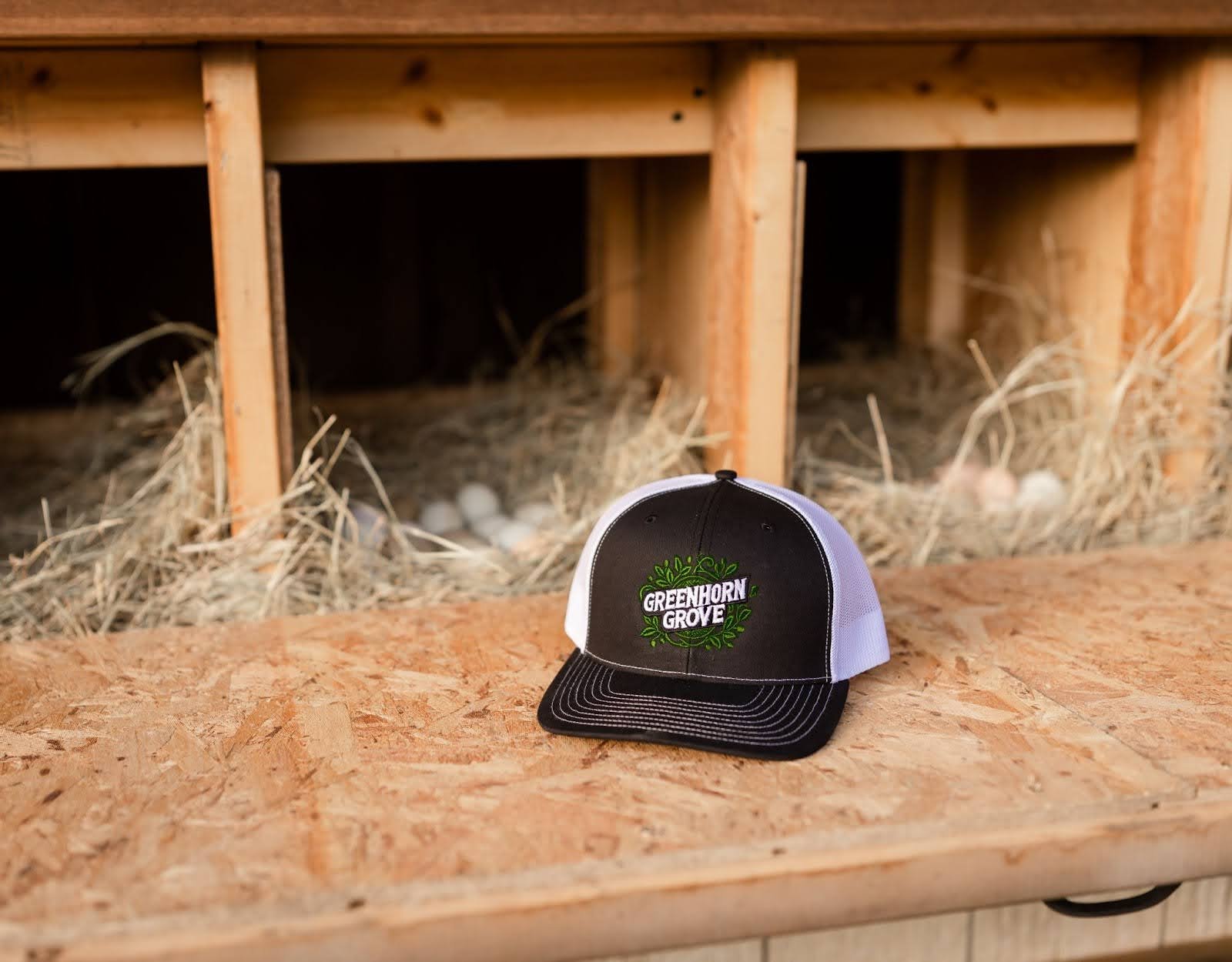
Most nonprofits spend their early years chasing grants and name recognition. Here We Grow chose a different path: give away knowledge first, worry about buzz later. Its free online hub, The Greenhorn Guides, provides downloadable e-books and short tutorial videos on everything from container tomatoes to backyard composting.
The audience responded. Within eighteen months, the site logged hundreds of thousands of downloads and video views. Visitors span inner-city apartment dwellers who grow herbs on fire escapes and rural families planning orchard plots. The digital classroom created a virtual commons where strangers swap pest-control tips instead of partisan jabs.
Fast Growth, Concrete Results
Early momentum translated into ambitious objectives. Here We Grow will roll out “turnkey garden” kits next spring: heirloom seed packets, planting calendars, soil-testing strips, and a laminated diagram that turns any twenty-by-twenty patch of ground into a productive plot. The first wave will number five thousand kits, shipped free to applicants in high-need zip codes. The charity’s agronomists predict that one kit, properly tended, can yield up to two hundred pounds of produce in a single season, enough to supplement the diets of a family of four.
Such pragmatism separates Here We Grow from food-bank models that treat hunger as a logistics problem. Gauger’s team frames hunger as a skills gap and a dignity gap. Fill those gaps and the need for emergency calories declines.
Disaster As Proving Ground
The organization’s first major test arrived in the form of Hurricane Helene, a violent storm that shredded parts of Western North Carolina in 2023. Floods toppled bridges, ruined harvests, and displaced families who already lived on thin margins. Here We Grow partnered with a local initiative called Operation Shelter and raised more than four hundred fifty thousand dollars in relief. The money translated into donated RVs, portable generators, and a volunteer camp that will help repair three hundred damaged homes over the next year.
Relief agencies often focus on the first seventy-two hours after a catastrophe; Here We Grow extends its gaze to the seventy-second week. Its volunteers keep returning to hammer drywall, replant washed-out gardens, and restock community pantries. By the time television crews pack up, the charity is usually just getting started.
Planting Dignity In Every Backyard
Food insecurity touches forty-four million Americans, thirteen million of them children. At the same time, home-gardening markets are projected to exceed fifty-five billion dollars by 2030. Those numbers reveal a paradox: plenty of interest and potential, but unequal access to land, supplies, and reliable instruction. Here We Grow seeks to bridge that divide. Each turn-key kit comes with a QR code linking to region-specific videos and a hotline staffed by master gardeners who volunteer two hours a week.
The model borrows from tech culture’s open-source ethos. Knowledge is free, improvement is iterative, and everyone who learns is asked to teach someone else. In a sense the charity is crowdsourcing resilience, one raised bed at a time.
Care Farms On the Horizon
Gauger and his board envision the next chapter as a network of “care farms,” forty-to-fifty-acre properties that combine production agriculture with trauma-informed therapy. Veterans with PTSD might harvest carrots alongside counselors; survivors of domestic violence could find quiet routine in milking goats. Research on ecotherapy suggests that structured time outdoors can lower cortisol levels and improve mood more effectively than many pharmacological interventions.
Each facility will sell a share of its produce at local farmers markets, using revenue to subsidize therapy sessions. The goal is self-perpetuating aid rather than endless fundraising drives.
The Role Of Digital Collaboration
The reach of Here We Grow would not be possible without the growing network of mission-driven content creators lending their platforms to the cause. While Gauger helped kickstart the movement, he’s the first to point out that it’s a team effort. Content creators like @theshawnhendrix, who also serves on the charity’s board, and many others have used their online communities to support the mission. Instead of chasing personal brand deals or viral fame, these creators are sharing practical skills, rallying volunteers, and spreading the message of self-sufficiency and mutual support.
Together, they’re proving that social media doesn’t have to be about ego. It can be about building something real, useful, and shared. It’s this kind of collaboration that has turned a handful of homesteading channels into a growing movement with nationwide impact.
A Culture Ready To Cultivate
Sociologists note a post-pandemic “back to basics” trend. More people bake bread, repair bicycles, or keep chickens. Some call it nostalgia, others call it hedge-against-chaos prepping. Here We Grow supplies the connective tissue that turns individual experiments into collective capacity.
The charity’s story suggests that renewal does not always require massive institutions or charismatic billionaires. Sometimes it needs a few acres, a broadband connection, and people willing to swap idle scrolling for deliberate growing. Gauger’s journey from bottle service to biodiversity is dramatic, yet the larger drama belongs to communities that will feed themselves because a stranger on the internet taught them how.
If seeds are promises to the future, Here We Grow is writing those promises at scale. The bet is simple: plant knowledge, cultivate dignity, harvest resilience.