

The late afternoon sun still hung over the Andalusian countryside when the high-speed train departed, carrying commuters, families, and tourists along one of Spain’s busiest corridors. For many on board, it was an ordinary journey, a seamless connection between cities that has long symbolized the country’s modern infrastructure. Within minutes, that sense of normalcy would be shattered.
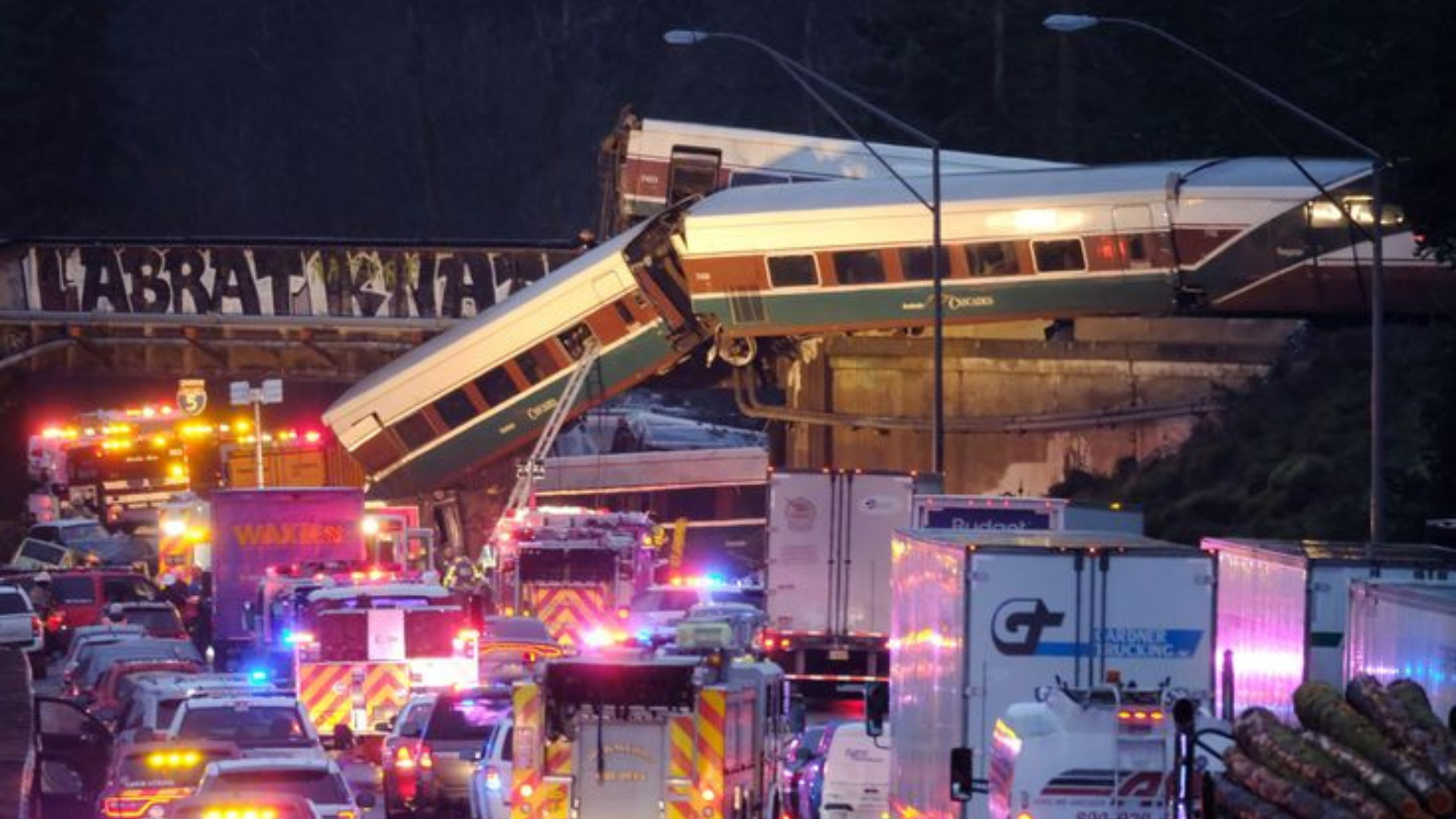
Authorities say the train derailed at high velocity near a curve just outside a rural municipality, leaving several carriages overturned and mangled. Emergency calls flooded in as survivors struggled to comprehend what had happened. Witnesses described a violent jolt followed by chaos, as luggage and passengers were thrown across compartments.
The scale of the devastation became clear as rescue teams arrived. Firefighters and paramedics worked against time, navigating twisted metal and unstable wreckage. By nightfall, officials confirmed dozens of fatalities, marking one of the deadliest rail incidents in Spain in recent memory.
Rescue Efforts Stretch Into the Night
The crash site quickly transformed into a sprawling emergency operation. Dozens of ambulances lined nearby roads while helicopters ferried critically injured passengers to regional hospitals. Rescue crews, some traveling from neighboring provinces, labored through the night under floodlights to reach those trapped inside the wreckage.
Local residents were among the first to respond. Many rushed toward the scene after hearing the impact, offering water, blankets, and comfort to survivors. Their swift action provided crucial support in the chaotic early moments before official responders took control.
Hospitals across southern Spain activated emergency protocols, clearing capacity and mobilizing additional staff. Doctors described the injuries as severe and varied, ranging from fractures to traumatic head wounds. As families gathered outside medical centers awaiting news, the human toll of the disaster became painfully personal.
Questions Surround Safety and Speed
As investigators begin their work, attention has turned to the circumstances leading up to the derailment. Early reports suggest the train may have been traveling at high speed as it approached a section of track known for its curvature, raising questions about whether technical or human factors played a role.
Spain’s high-speed rail network is widely regarded as one of the most advanced in Europe, with strict safety systems designed to prevent precisely this kind of accident. The possibility of system failure, operator error, or infrastructure issues is now under intense scrutiny. Officials have pledged a thorough and transparent investigation.
Transport authorities have emphasized that it is too early to draw conclusions. However, the incident has reignited debate over the balance between speed and safety, particularly on routes where high-speed lines intersect with older infrastructure. For a network that has long been a source of national pride, the crash represents a sobering moment of reflection.
A Nation in Mourning
In the hours following the tragedy, messages of condolence poured in from across Spain and beyond. Government leaders expressed their grief and pledged full support for victims and their families. Flags were lowered, and moments of silence were observed in cities nationwide.
At the crash site, a growing memorial of flowers and candles began to take shape. Residents and visitors alike gathered to pay their respects, many visibly shaken by the scale of the loss. For those who live nearby, the railway line has become a symbol not just of connectivity, but of sudden and profound tragedy.
The emotional impact extends far beyond the immediate community. For a country that relies heavily on its rail system, the incident has touched a collective nerve. It is a reminder of how quickly routine can turn into crisis, and how deeply such events resonate in the national consciousness.
Looking Ahead After Loss
As recovery efforts continue, the focus is gradually shifting toward accountability and prevention. Authorities are expected to conduct a comprehensive review of safety protocols, signaling systems, and operational procedures. The goal is not only to understand what went wrong, but to ensure that such a disaster does not happen again.
For survivors, the path forward will be long and complex. Many face physical rehabilitation, while others grapple with emotional trauma that may linger for years. Support services have been mobilized, but healing on this scale takes time.
In the broader context, the tragedy has prompted renewed conversations about infrastructure resilience and public safety. While high-speed rail remains a cornerstone of modern transportation, this incident serves as a stark reminder that even the most advanced systems are not immune to failure.