
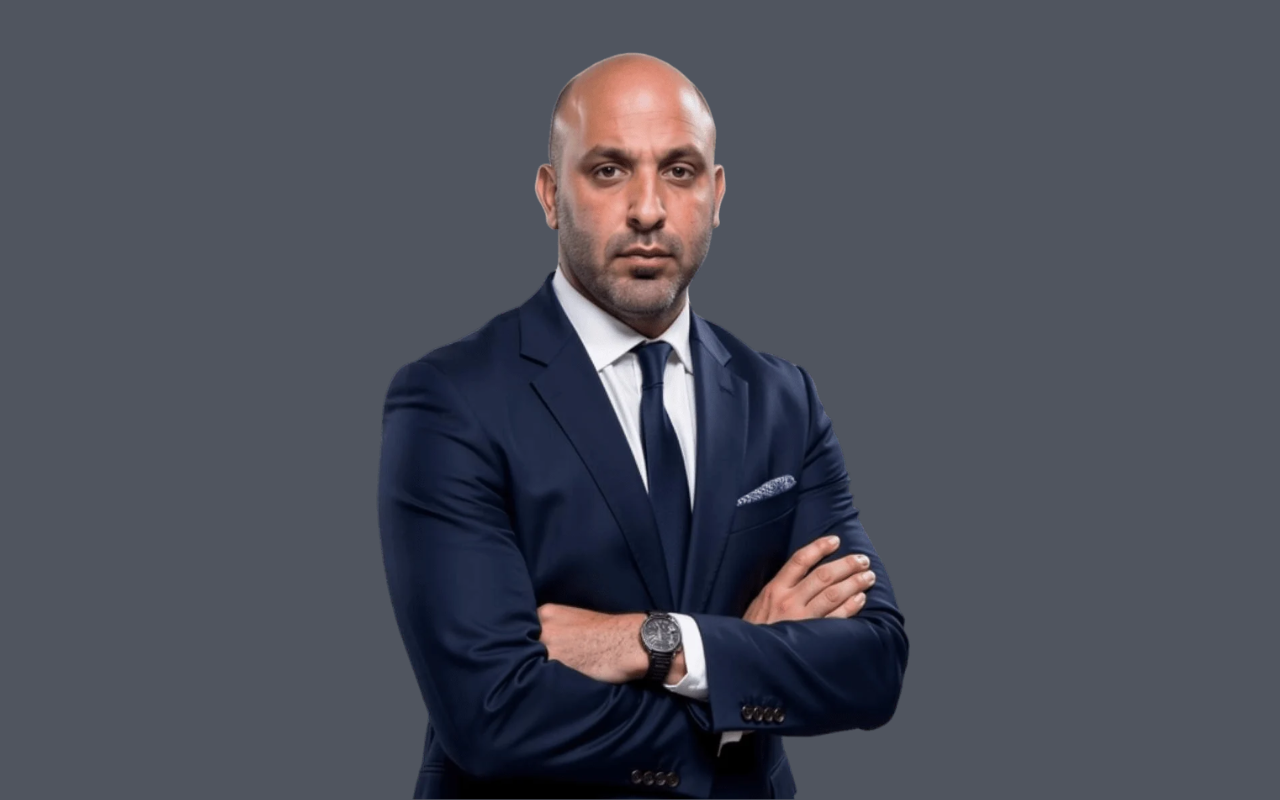

Before The Piri Law Firm takes a case, three questions have to be answered. None of them is about money.
What happened. What is at stake. What outcome matters most to you.
The Dallas–Fort Worth firm publishes those three as its method, which is a slightly unusual thing for a law office to do. Most publish their practice areas and their results. Very few publish the shape of the conversation that comes first.
There is a reason for that. Intake in most firms is a qualification process wearing the clothes of a conversation. The questions establish whether the case is winnable, whether the client can pay, and whether the matter fits the pipeline the firm already has. Those are legitimate commercial questions. They are not the same questions as the three above.
The first question sounds like the easy one. It is not. By the time a client sits down, the story has usually been through several other hands. A cousin who went through something similar. A notario who charged $400 for a form. An officer who said something in a corridor that the client has been turning over ever since. What arrives in the meeting is a narrative already bent toward whatever outcome somebody else predicted.
“Half the work in the first hour is taking out what other people put in. I need the facts in the order they actually happened, not in the order someone explained them.”
The second question changes the strategy more than the charge does. Two clients can walk in with identical DWI paperwork. For one, the exposure is a fine, a suspension and a record. For the other, who is not a citizen, the same paperwork can become a detention and a removal case. The criminal facts are the same. The stakes are not remotely the same, and a defence built without knowing which client is sitting there is a guess.
This is where the combined practice earns its keep. Immigration, crimmigration and criminal defence sit in the same office, so the second question gets asked by somebody equipped to act on the answer rather than referred out to a lawyer the client will meet for the first time after the plea.
The third question is the one Piri says gets skipped most often. A client will say they want to stay in the country. That is almost never the whole answer. Underneath it there is usually something more specific: a work permit that lets them report income, a custody arrangement that survives a move, a parent who needs to be able to travel to a funeral and come back.
Getting that specific changes what the firm files and in what order.
It also changes what the firm advises against. A client whose real priority is work authorisation may be better served waiting on an application that would otherwise have gone in this month. Explaining why a delay is the aggressive option rather than the cautious one is most of what the first meeting involves.
The practice runs on three stated principles, which read as listen first, explain clearly, fight with purpose. The middle one is the hardest to deliver. Explaining clearly means telling a frightened client that the strategy they have already decided on, often after weeks of reading, is the wrong one.
Piri works in English, Spanish and French. For a client base that is heavily Spanish-speaking, that is not a service feature. A person cannot answer the second question honestly through a relative acting as interpreter, particularly when the honest answer involves an old arrest or a marriage that is not what it looks like on paper.
What the process tells a prospective client is straightforward enough. A firm that opens with those three questions has to be prepared to hear an answer that costs it the retainer. A firm that opens with a fee schedule does not.
The firm covers immigration, crimmigration, criminal defence, personal injury and family law across Dallas, Fort Worth and the surrounding North Texas cities, and offers a free 30-minute consultation before any of it begins.