
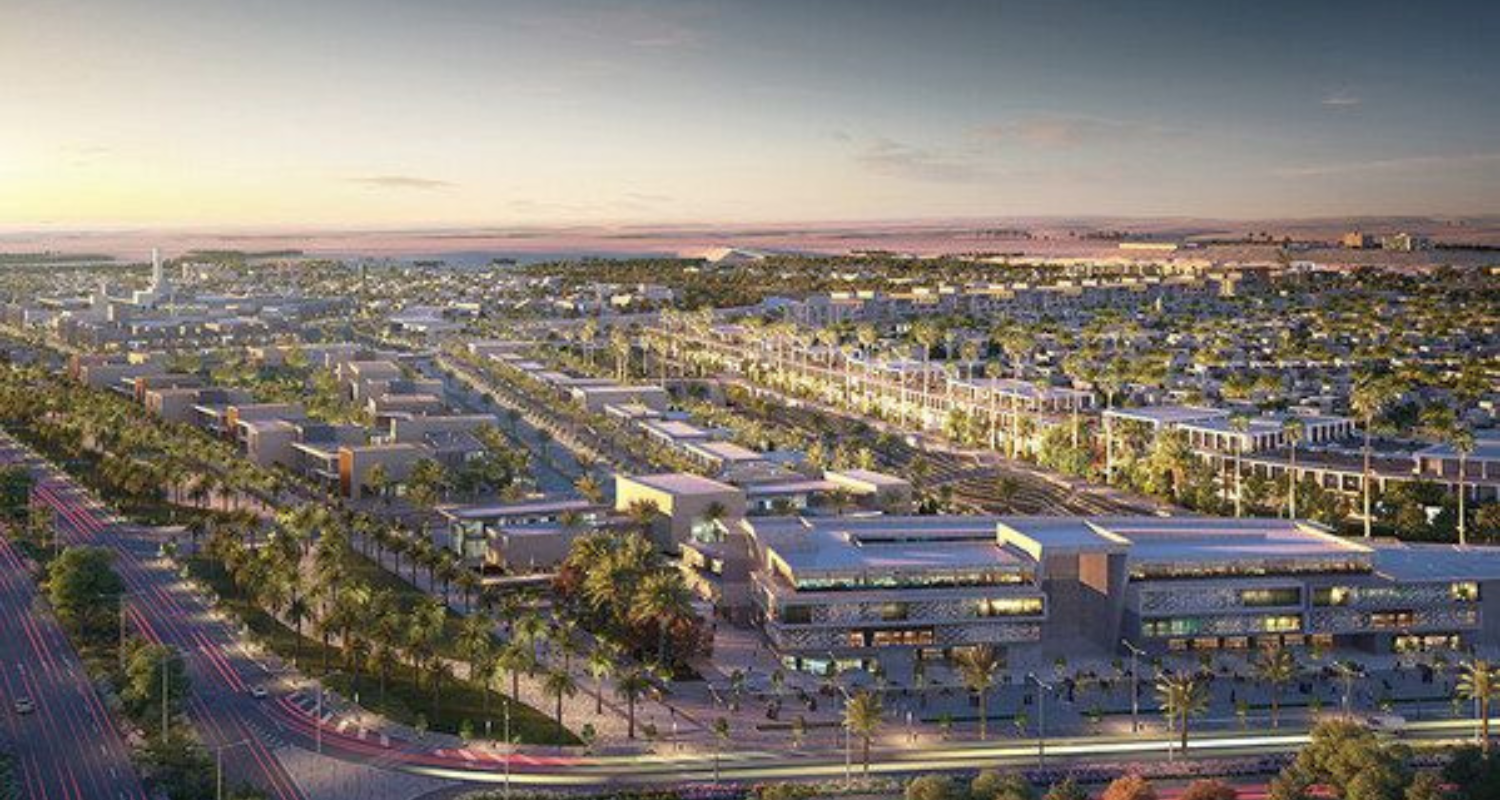

The Maldives is positioning itself for one of the most consequential urban and tourism developments in its modern history after signing a commercial agreement with Abu Dhabi-based developer Eagle Hills for the proposed Maldives Waterfront and Marina. Envisaged as a $20 billion, long-term investment, the project could reshape Ras Malé into a new hub for hospitality, residential living, maritime activity and public life.
A New Chapter Beyond the Resort Island
For decades, the Maldives has defined luxury travel through its private-island resorts, turquoise lagoons and intimate overwater villas. The new waterfront development signals a broader ambition: creating an integrated destination closer to the capital that combines the country’s tourism appeal with a more urban, year-round lifestyle offering.
Planned for Ras Malé, an emerging urban area at the Fushi Dhiggaru Lagoon near Malé, the project is expected to span roughly 500 hectares of reclaimed land. Its location, reportedly about 17 minutes from the capital by speedboat, places it within reach of the country’s principal airport, government institutions and population centre.
The agreement was signed in Dubai with Eagle Hills founder and chairman Mohamed Alabbar and Maldivian government representatives present. Although the project is still at the agreement stage, its scale has already made it one of the largest proposed foreign-investment initiatives in the Indian Ocean nation.
A Waterfront Built for Living and Visiting
The proposed Maldives Waterfront and Marina is designed as more than a resort enclave. Plans call for an interconnected destination featuring international hotels and resorts, premium and branded residences, a marina, waterfront promenades, restaurants, retail spaces, wellness facilities and leisure venues. Education, healthcare and public-space components are also expected to form part of the broader master plan.thenationalnews
That mix could help create a more diversified visitor experience. Rather than limiting travellers to self-contained resort islands, the development may offer a place where yacht owners, business travellers, residents, families and leisure visitors can converge around a shared waterfront. It is a model that reflects the growing global demand for destinations that blend hospitality, homes, dining, culture and services in a single walkable environment.
For prospective buyers, the development is expected to use a long-term leasehold structure under Maldivian law, with lease terms of up to 99 years. Eagle Hills has said that a new leasehold period may begin with a transfer through sale or inheritance, a provision intended to support continuity of ownership across generations.
Tourism Potential Meets Economic Ambition
The potential economic impact is as striking as the project’s physical scale. Government and company estimates indicate that the development could create more than 54,000 direct and indirect jobs over its lifetime, spanning construction, hospitality, retail, transport, property services and related industries.co+1
At full maturity, the destination is projected to welcome more than one million visitors annually and generate more than $2 billion in tourism revenue each year. Eagle Hills has also indicated that the phased development could attract more than $30 billion in gross foreign investment over its lifetime, including an estimated $18 billion in net foreign investment for the Maldives.
Those projections arrive at a pivotal moment for the country’s tourism-led economy. The Maldives already commands strong global recognition as a premium holiday market, but a development of this magnitude could introduce new revenue streams through residential investment, marina services, retail, events and urban hospitality. Its success, however, will depend on how effectively the project’s ambition is matched by infrastructure, environmental oversight and sustained market demand.
Environmental Questions Remain Central
Any large-scale coastal project in the Maldives naturally brings heightened scrutiny. The country’s extraordinary marine environment is also among the world’s most climate-vulnerable, making ecological protection central to the credibility of future development. Eagle Hills has said the project will be constructed on reclaimed land and that no further dredging is planned, while independent marine monitoring will take place during construction.
The details will matter. Environmental safeguards, marine monitoring results, community engagement and transparent planning will likely shape public confidence as the proposal moves from agreement to implementation. The government has also stated that no tax concessions will be granted for the $20 billion investment project, adding another dimension to how the development will be assessed domestically.
Construction schedules, financing arrangements and the precise amount of capital Eagle Hills will commit directly have not yet been disclosed. Still, the agreement marks a powerful statement of intent. If realised as envisioned, the Maldives Waterfront and Marina could become a defining new address for the nation, bringing together its maritime heritage, tourism strength and aspirations for a more diversified future.