
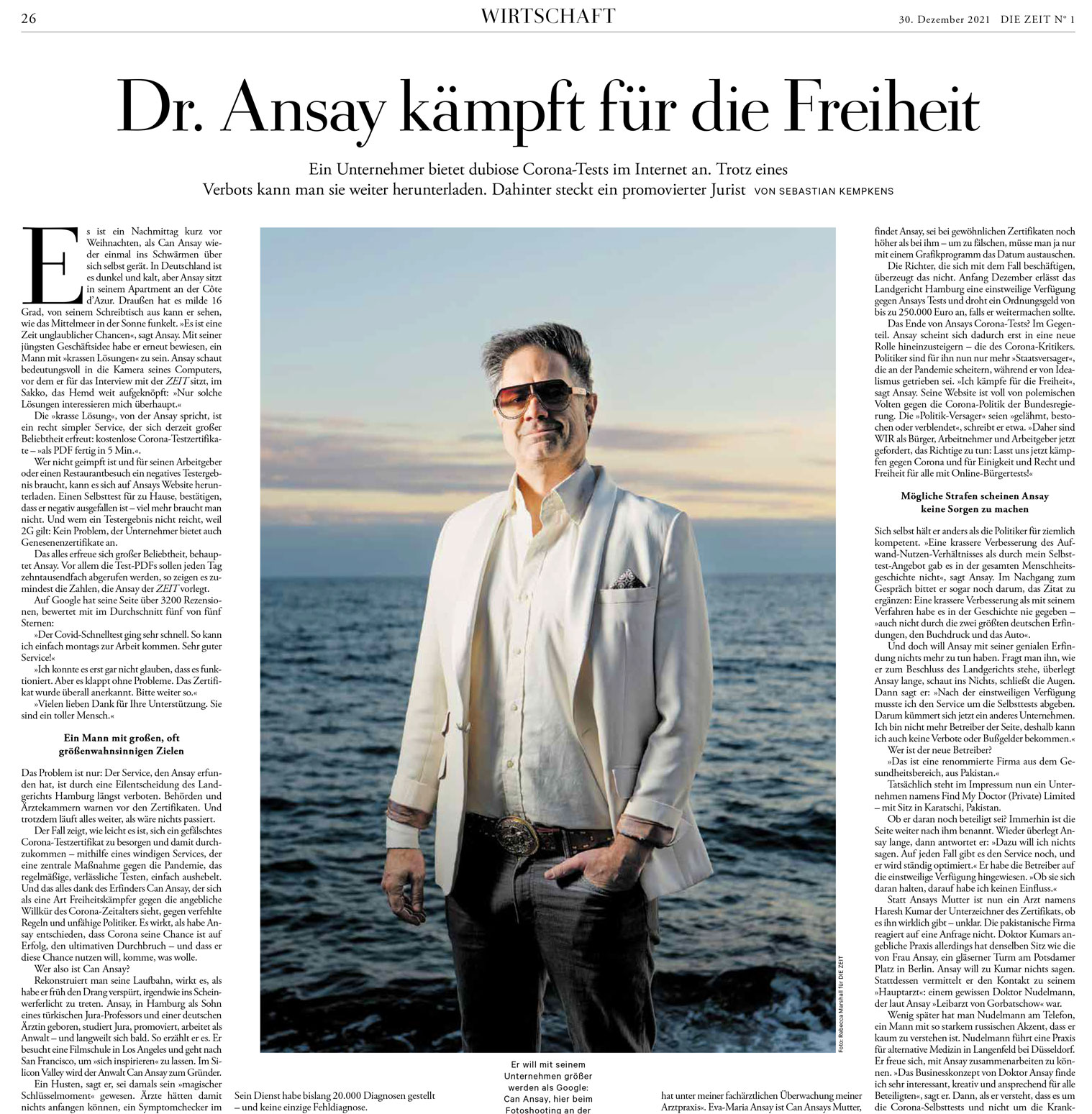


DrAnsay no longer feels like a quiet back-office service. It behaves more like a media-savvy health guide, trying to meet people where they scroll, swipe, and share. Medical paperwork and telehealth access may sound dry, yet the brand treats them as stories worth telling well.
Media-Driven Health Awareness
DrAnsay presents itself as a platform that connects people with remote medical documentation while speaking openly about education and awareness in its public messaging. The team invests in content creation, storytelling, and media relations, which shows a belief that health information lands better when it feels clear, human, and visually engaging.
Scroll through its feeds, and that intent appears quickly. Short videos and reels use plain language, friendly visuals, and everyday scenarios to explain how remote sick notes and telehealth-style services work, turning abstract rules into something people can picture in their own lives. That media strategy places DrAnsay within a wider movement where health education and entertainment overlap, because many viewers encounter health messages in their feeds long before they see a leaflet in a waiting room.
People who study health communication often point out that social media can boost both reliable information and confusion. Brands that step onto these stages need to keep their messages steady, even as formats stay light and fast. DrAnsay’s focus on education, awareness, and regulated services suggests a deliberate effort to stay on the side of clear, rule-based health messaging while still speaking the visual language of entertainment-driven platforms.
Social Platforms And Storytelling Style
The company’s recent rebranding posts talk about a “new look” and “new vision,” tying visual identity directly to its health message. Colors, typography, and layouts feel closer to lifestyle brands than to old‑style medical forms, which helps the audience sense that this is a service built for their everyday digital world. Reels and clips often feature quick transitions, informal moments from the team, and close-ups of the product flow, giving viewers a sense of being invited backstage while the topic remains anchored in medical documentation and services.
Within the company, job descriptions for content creators emphasize social storytelling, campaign development, and close collaboration with marketing. Those details reveal that health education at DrAnsay is an ongoing practice rather than a side note, with careful planning and regular experimentation to see what actually helps people understand their options. The brand wants its explanations to feel approachable enough to share in a group chat, yet serious enough that users trust them when real decisions are on the line.
Public communication from DrAnsay frequently circles back to ideas like trust, transparency, and user satisfaction. The tone aims to sound reassuring without becoming dull, which is a tricky balance in any health‑related story. When audiences watch short, entertaining clips about topics that affect work, pay, and personal well‑being, they still expect to know where education ends, where promotion begins, and how closely everything follows current rules.
Health, Influence, And Responsible Reach
Health and entertainment crossovers now often involve influencers or public figures, and research shows that familiar faces can change how people think about medical topics. DrAnsay’s social campaigns lean into that style with user reviews, partner features, and client spotlights that feel similar to influencer content, even when the people on screen are professionals or everyday clients rather than major celebrities. Viewers see real names and faces talk about real experiences, which adds a sense of social proof to what could otherwise feel like an abstract service.
Studies have warned that celebrity‑driven health messages sometimes oversimplify complex issues, which makes careful framing vital when brands speak to large audiences. In that context, DrAnsay’s public focus on regulated services, legal clarity, and education places it among brands that try to connect reach with responsibility. The goal is to mix attention‑grabbing content with accurate explanations of what its health‑related products do and what they do not promise, so users feel informed rather than pushed.
What emerges is a media strategy with a distinct personality: smart, visually aware, and conscious of the rules that sit behind every sick note or telehealth contact. Making health “go viral” becomes less about chasing views and more about turning complex processes into stories that people can follow, share, and discuss. As social media continues to shape how people learn about sick notes, telehealth access, and patient rights, platforms like DrAnsay show how health education and entertainment can share the same stage without losing sight of regulation or clear communication.