
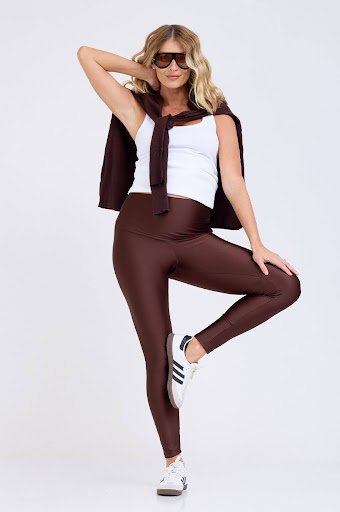


There is a quiet intensity in the way many mothers-to-be move through the world today. Pregnant in 2026 carries its own physical demands: bodies expanding, hormones humming, minds wrestling with anticipation and responsibility. For a growing number of expecting mothers, inactivity is a must, staying fit has become as much a part of carrying a child as vitamins and prenatal checkups.
Much of that drive comes from lived experience and shared knowledge: regular movement can reduce back pain, ease constipation, stabilize mood, and support cardiovascular health during pregnancy. Exercise during pregnancy has also been associated with better sleep, improved stamina, and fewer complications in later stages of labor and delivery for many women without medical restrictions. Across continents and communities, pregnant women are proving that strength is a prenatal reality. In parks, studios, and living rooms, groups of women rise before dawn for brisk walks, stretch through gentle yoga flows, and move through water aerobics. These aren’t extreme athletic feats, but intentional movements that honor the shifting body and growing life within. Many follow general guidance to stay moderately active throughout the week, a rhythm that feels empowering rather than overwhelming. As personal stories and shared experiences illustrate, staying active is becoming woven into the narrative of pregnancy itself.
Yet strength doesn’t come without complexity. Expecting mothers navigate mountains of conflicting advice. Behind the momentum lies a universal question: How does she stay strong for herself and her baby without overstepping invisible lines of safety? The answers are as personal as the pregnancies themselves.
Gear That Moves With You
Physical activity during pregnancy doesn’t occur in a vacuum; the right support, physically and psychologically, can make all the difference. Expectant mothers today are turning to maternity activewear designed to move with the body, offering comfort and confidence. Across global maternity collections, active leggings, pants, and supportive bodysuits tailored for pregnancy reflect a growing demand. Breathable fabrics, stretch-friendly materials, and thoughtful cuts that accommodate a growing belly help women stay engaged in exercise without distraction.
These functional pieces support comfort and mobility: maternity knee-length active leggings designed with breathable fabric and a high-support waistband that grows with your bump provide gentle support for walking, stretching, and yoga-like movement. These leggings often include practical details like side pockets for essentials during a workout session.
In addition to leggings, the Avishag Arbel “Stay Active” lineup features active maternity bodysuits and short bodysuits that offer lightweight support and flexibility during a range of activities, from prenatal pilates to daily walks. These options combine practicality with style and are designed to feel comfortable throughout different stages of pregnancy.
These garments serve a practical purpose. They adapt to shifting proportions and provide gentle support, reducing the tug and pressure that standard workout clothes can place on sensitive areas. A pair of supportive maternity leggings can become a daily companion for a mother who walks regularly or participates in low-impact exercise. Beyond function, there’s a psychological element at play. Wearing clothing that affirms identity: fit, strong, pregnant, reinforces commitment to active habits. For many, having attire that aligns with their goals feels grounding during a time of constant physical and emotional change.
Pieces like knee-length leggings, full bodysuits, and short active bodysuits offer versatile options for different workouts, whether it’s a gentle flow of prenatal yoga or a brisk morning walk. The variety acknowledges that activewear during pregnancy isn’t one-size-fits-all: from more coverage to cooler, lighter layers, these choices help women find what feels right for their practice.
Maternity activewear is about dignity. It signals to the world, and to the wearer herself, that pregnancy does not erase personal identity or physical capability. The growth of these offerings reflects a wider cultural recognition that pregnant bodies are active bodies.
A Culture of Support and Shared Strength
Communities have formed around the idea of active pregnancies. In parks, groups of expectant mothers gather for early morning walks. In studios, prenatal classes fill with shared breath, quiet focus, and laughter. These gatherings offer more than fitness; they create spaces for connection. Conversations may begin with pace or posture but often drift toward fears, hopes, and the small daily milestones of pregnancy.
Health professionals often note the emotional benefits of these routines. Physical activity supports mental wellbeing by easing stress and lifting mood, helping many women navigate the emotional weight that can accompany pregnancy. Better sleep, steadier energy, and a sense of belonging allow many expecting mothers to sustain their routines throughout pregnancy, using movement as an anchor during uncertain moments.
Women often describe these groups as circles of companionship. They exchange advice on rest and hydration, share playlists for long walks, and quietly celebrate one another’s progress. This shared strength carries them closer to labor day, reminding them that resilience is built gradually. Strength in the body becomes strength in spirit, a recognition that motherhood begins long before birth, in every step taken with intention. Through their movements, choices, and stories, the mothers of 2026 are reshaping what it means to carry life. They show that pregnancy and fitness are companions on a deeply human journey. Their collective steps are shaping a narrative where health is lived.