
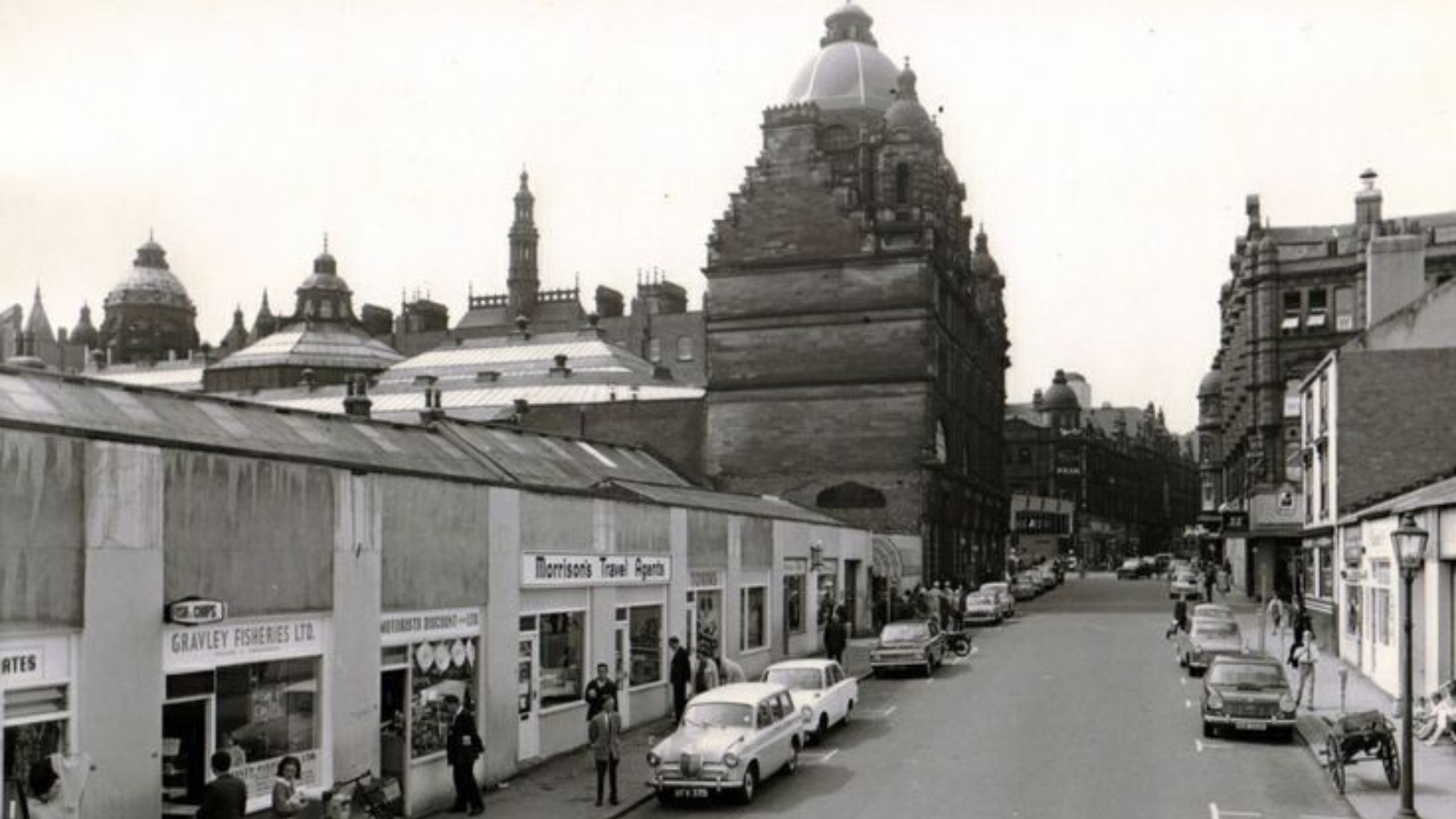

Long before the steady hum of traffic and the spread of urban development, Waterloo existed as a small but distinct settlement on the outskirts of Leeds. It was not a place that commanded national attention, nor did it aspire to. Instead, it thrived quietly, defined by its modest homes, local trades, and a tightly woven community fabric that rarely extended beyond its own boundaries.
In the early nineteenth century, Waterloo reflected the rhythm of rural-industrial England, where agricultural routines coexisted with the creeping influence of nearby industrial expansion. Families lived close to their work, children grew up in familiar streets, and generations often remained rooted in the same patch of land. It was, in many ways, a place shaped by continuity rather than change.
Yet even in its stillness, Waterloo was never entirely separate from the forces transforming Leeds into a growing industrial center. The proximity that once allowed it to remain self-contained would eventually seal its fate, drawing it into a larger story of expansion and reinvention.
Absorbed By The March Of Progress
As Leeds expanded rapidly during the Industrial Revolution, villages like Waterloo found themselves increasingly encircled by development. Railways, factories, and new housing projects began to push outward, gradually erasing the clear boundaries that had once defined smaller settlements.
Waterloo did not disappear overnight. Instead, it was slowly absorbed, its identity fading as infrastructure replaced open land and traditional buildings gave way to more utilitarian structures. Roads were rerouted, properties were demolished or repurposed, and the name itself began to lose its geographical significance.
This process was not unique to Waterloo. Across England, similar villages were folded into growing cities, their histories often preserved only in fragments. What makes Waterloo compelling is how thoroughly it vanished, leaving behind little more than traces in maps, documents, and the memories of those who sought to preserve its story.
Echoes Beneath The Surface
Today, the physical presence of Waterloo is largely gone, but its echoes remain embedded in the landscape of Leeds. Street alignments, subtle shifts in architecture, and occasional historical references hint at what once existed. For those who know where to look, the past reveals itself in small, almost imperceptible ways.
Local historians and archivists have played a crucial role in reconstructing Waterloo’s narrative. Through old census records, property deeds, and oral histories, they have pieced together a picture of daily life in the village. These efforts serve as a reminder that places do not simply vanish. They transform, leaving behind layers that continue to shape the present.
There is also a growing interest among residents and heritage enthusiasts in reclaiming these hidden histories. Walking tours, digital archives, and community projects have begun to reintroduce Waterloo to a new generation, not as a physical destination, but as a story woven into the identity of Leeds itself.
Why Lost Places Still Matter
The story of Waterloo resonates because it reflects a broader truth about urban evolution. Cities are not static entities; they are built upon cycles of creation, erasure, and reinvention. In this process, smaller communities often disappear, their contributions overshadowed by the scale of modern development.
Remembering places like Waterloo is not merely an exercise in nostalgia. It offers insight into how communities functioned before large-scale urbanization and how local identities were shaped by geography, economy, and social ties. These lessons remain relevant as cities continue to expand and redefine themselves.
In a time when rapid development often prioritizes efficiency over heritage, the rediscovery of lost villages provides a counterbalance. It encourages a deeper appreciation of place and a recognition that even the smallest communities can leave a lasting imprint. Waterloo may no longer appear on contemporary maps, but its story endures as part of Leeds’ evolving narrative.