
For years, intelligent transport projects have been held back by a familiar set of constraints. Cities invest in loops, radar, thermal sensors, and cameras, only to discover that each device solves a narrow problem and none of them truly work together. Integrators spend as much time stitching systems into shape as they do solving safety and congestion issues, leaving agencies with a patchwork of technologies that can see traffic but rarely think for themselves.
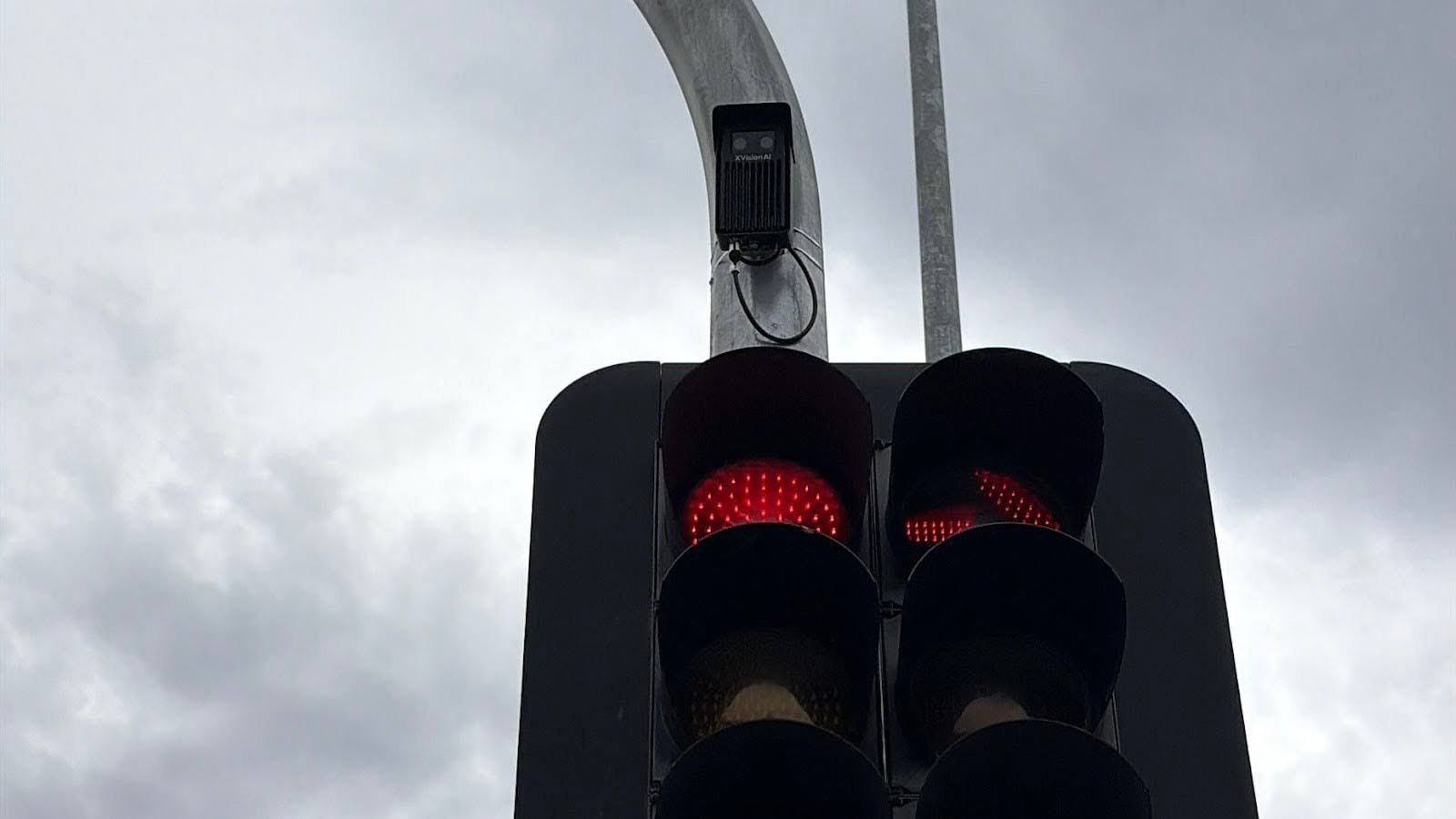
XVision AI set out to remove those barriers by treating traffic intelligence as a unified capability rather than a collection of parts. Its flagship EagleEye platform combines high‑precision 3D stereo vision, dedicated AI hardware, and embedded software into one all‑in‑one device mounted at the intersection. From the moment it goes live, EagleEye detects every road user, analyses how they move and interact, and makes decisions that can directly influence signals and other field devices in real time.
“For years, traffic systems could see but not think. By putting intelligence directly at the intersection, EagleEye understands what’s happening in real time and responds immediately, not after analysing hours or days later.”
Breaking Free From Fragmented Systems
This edge‑first approach means decisions are made where traffic actually happens, instead of waiting for video streams to be processed in a distant control room or data centre. Queues, near misses, aggressive turns, and vulnerable road user conflicts can all be identified and responded to as they unfold. Rather than simply reporting on what went wrong yesterday, the system helps operators shape what happens in the next signal cycle, turning each intersection into a responsive, learning asset instead of a static piece of hardware.
Because EagleEye is designed as a vertically integrated platform, it reduces many of the traditional integration hurdles that have slowed innovation in intelligent transport. Cities no longer have to choose between simple, low‑intelligence sensors and complex, multi‑vendor camera plus analytics stacks. Instead, they gain a single device that is both robust and adaptable, capable of serving current operational needs while being extended over time.
One Device, Many Possibilities
What makes EagleEye particularly disruptive is not just that it is intelligent, but that it is complete. The same unit that replaces loops and cameras for basic detection also powers advanced analytics, safety applications, and long‑term planning insight. Cities can start with a single use case—such as improving safety at a complex intersection—and gradually enable more capabilities via software as their needs and budgets evolve, from adaptive signal strategies to network‑wide safety diagnostics.
For integrators, this removes much of the friction that has traditionally accompanied ITS projects. Standardising on one platform simplifies design, installation, testing, and support. New features can be rolled out across networks through configuration and updates instead of hardware swaps, allowing teams to deliver more value with each deployment and unlock new recurring revenue opportunities.
“With one device, cities can replace multiple sensors and enable new capabilities through software. That shifts traffic projects from complex integrations to long-term, upgradeable platforms.”
A Foundation For The Next Wave Of Intelligent Transport
As deployments grow across APAC, EagleEye is starting to look less like another sensor and more like a foundational layer for future transport innovation. Its unified data model supports safety programmes, congestion management, smart‑city dashboards, and the early stages of connected infrastructure, all without forcing agencies to re‑architect their networks.
In a sector long defined by integration hurdles and incremental upgrades, XVision AI’s all‑in‑one traffic intelligence platform shows how a system that can think for itself may finally allow cities and integrators to build the transport networks they have imagined for years—safer, smarter, and ready for whatever comes next.