

There are moments when language falls short, when even the most carefully chosen words fail to bridge the distance between two people. In those spaces, something far more instinctive often steps in. A simple embrace, unplanned and unpolished, can communicate what sentences cannot. It is not dramatic or performative, yet it lingers with a kind of emotional clarity that words rarely achieve.
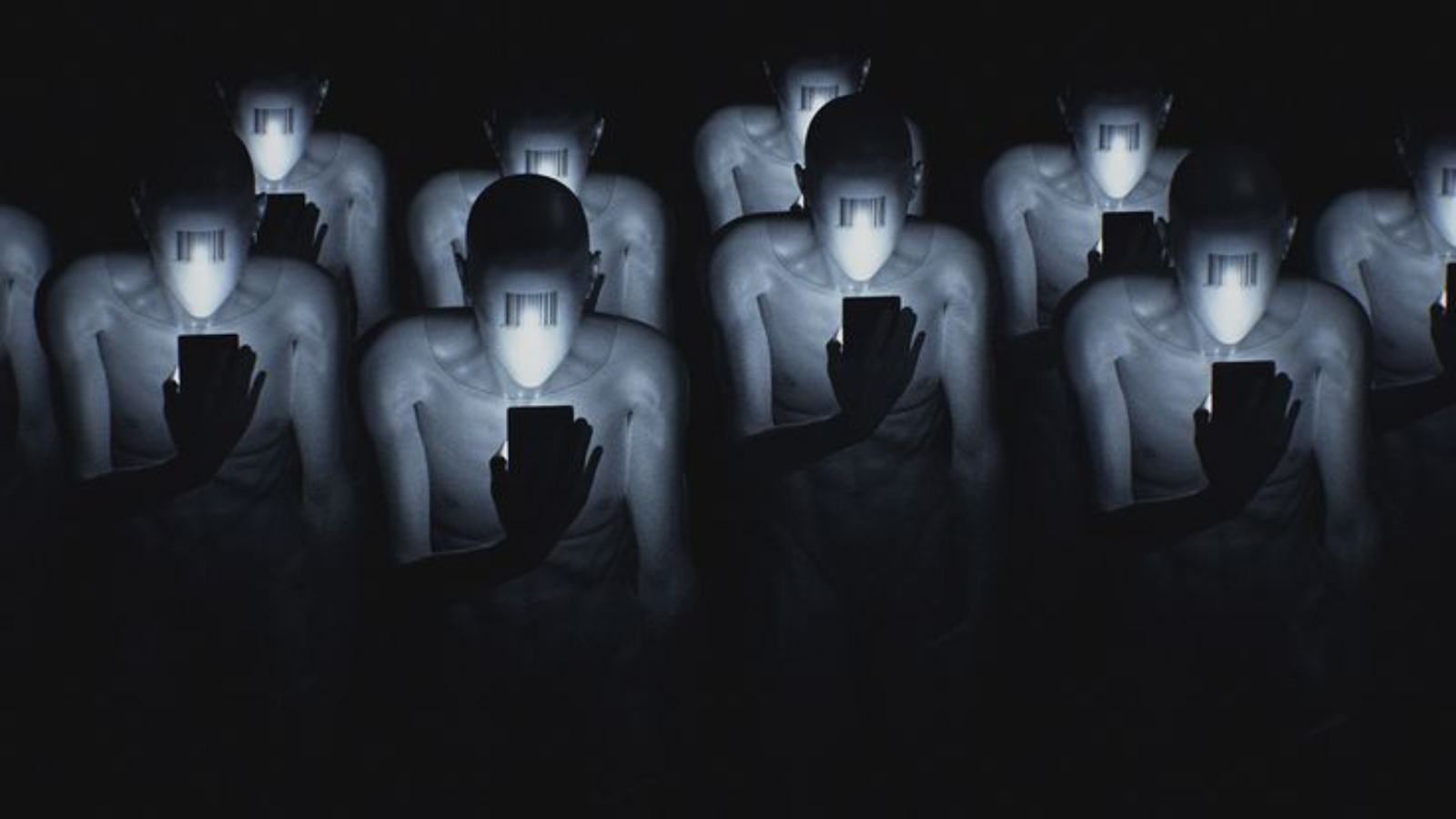
In recent years, as communication has shifted toward screens and curated expressions, physical connection has quietly receded. We text condolences, send heart emojis, and schedule video calls across time zones. Yet, for all the convenience, something essential has been diluted. The human body, once central to how we comfort and connect, has become secondary. What remains is a subtle but growing sense of emotional distance, even among those who appear constantly connected.
Scientists and psychologists have long pointed to touch as a fundamental human need, not a luxury. It regulates stress, lowers cortisol levels, and reinforces a sense of safety. But beyond biology, there is something profoundly cultural about it. A hug, in its simplicity, carries history, trust, and recognition. It says, without translation, “You are not alone.”
A Gesture That Grounds Us
In times of crisis, people often return to instinct. After natural disasters, moments of grief, or personal loss, the first response is rarely verbal. It is physical. Survivors hold each other. Families gather in quiet embraces. Even strangers reach out, guided not by protocol but by something deeply human.
This response is not accidental. Physical touch activates neural pathways associated with comfort and belonging. It anchors people in the present moment, interrupting spirals of anxiety or shock. In an age where mental health conversations have become more open, the role of physical reassurance is being revisited with renewed urgency.
Yet modern life often complicates this instinct. Professional boundaries, cultural differences, and the lingering effects of global health crises have made touch feel uncertain. People hesitate, unsure of what is appropriate. The result is a quiet restraint that can leave emotional needs unmet. The absence is not always obvious, but it is felt in subtle ways, in prolonged stress, in loneliness that persists despite constant interaction.
The Intimacy of Everyday Connection
Not all hugs are born from crisis. Many emerge in the ordinary rhythm of daily life, greeting a friend, comforting a child, celebrating a small victory. These moments rarely make headlines, but they form the emotional architecture of relationships. They build familiarity and trust in ways that accumulate over time.
There is also an intimacy in their timing. A well-timed embrace can transform a fleeting interaction into something meaningful. It signals attention, presence, and care without requiring explanation. In a culture that often prioritizes productivity and efficiency, such pauses can feel almost radical.
For younger generations raised in increasingly digital environments, the experience of physical connection is evolving. While they are fluent in online communication, many report a heightened sense of isolation. This paradox has sparked a renewed interest in tangible forms of connection, from wellness practices to community gatherings. The hug, simple as it is, becomes part of a broader search for authenticity in how people relate to one another.
Relearning What Matters
As societies continue to navigate rapid technological and cultural change, there is a growing recognition that progress does not have to come at the expense of human connection. The challenge lies in integrating convenience with presence, efficiency with empathy. It requires a conscious effort to prioritize moments that cannot be digitized.
Relearning the value of touch does not mean abandoning boundaries or ignoring context. Rather, it invites a more thoughtful awareness of when and how connection is offered. It asks people to pay attention, to read emotional cues, and to respond with intention. In doing so, it restores a balance that feels increasingly rare.
Ultimately, the power of an embrace lies in its simplicity. It does not demand eloquence or expertise. It only asks for presence. In a world that often feels fragmented, that kind of presence can be transformative, not because it solves problems, but because it reminds people that they do not have to face them alone.