
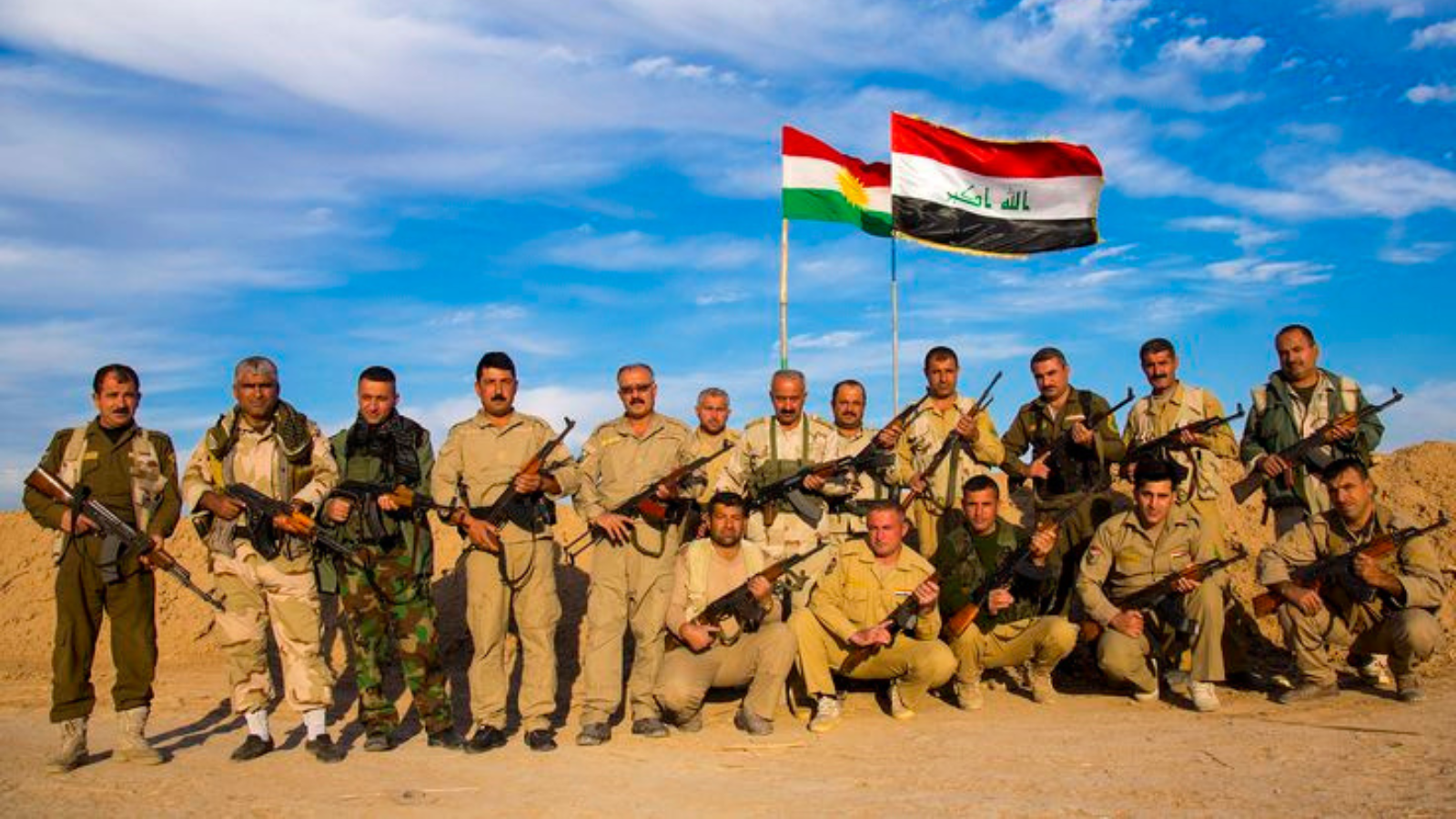


The quiet withdrawal of Kurdish-led forces from a detention camp in northeast Syria marks a significant turning point in a region long defined by fragile control and competing interests. For years, the Kurdish-led Syrian Democratic Forces (SDF) have been central to maintaining security over facilities housing suspected Islamic State fighters and their families. Their presence symbolized a delicate balance between counterterrorism efforts and regional autonomy.
Now, that balance appears to be shifting. The decision to step back from the camp reflects mounting pressure from multiple fronts, including security concerns, dwindling resources, and evolving geopolitical dynamics. While the withdrawal was not abrupt, its implications are immediate, raising questions about who will assume responsibility for one of the most volatile remnants of the Islamic State’s territorial defeat.
Officials have framed the move as a necessary recalibration rather than a retreat. Yet for observers on the ground, the absence of Kurdish oversight introduces a layer of uncertainty that could reshape the security architecture of the region in the coming months.
The Camp at the Center of Global Concern
The detention camp itself has long been a focal point of international attention. Housing thousands of detainees, including foreign nationals, it represents one of the most complex legacies of the fight against the Islamic State. Overcrowding, limited resources, and periodic unrest have made the facility both a humanitarian challenge and a security risk.
In recent years, the camp has seen sporadic violence, escape attempts, and radicalization concerns within its confines. Kurdish forces, often operating with limited international support, have shouldered the burden of managing this volatile environment. Their role extended beyond simple containment, involving intelligence coordination and deradicalization efforts that required sustained engagement.
The withdrawal raises pressing questions about continuity. Without a clear successor prepared to manage these responsibilities, the risk of instability grows. International actors have long acknowledged the importance of maintaining secure detention facilities, yet coordinated action has often lagged behind rhetoric.
Regional Dynamics and External Pressures
The Kurdish decision cannot be understood in isolation. Northeast Syria remains a geopolitical crossroads where local actors, regional powers, and international stakeholders intersect. Turkey’s ongoing concerns about Kurdish groups, shifting U.S. involvement, and the Syrian government’s ambitions all contribute to a complex and often unpredictable landscape.
In this context, the SDF’s repositioning may reflect broader strategic calculations. Maintaining control over detention camps requires resources that are increasingly stretched thin, particularly as attention shifts toward defending territory and navigating political negotiations. The withdrawal could signal an attempt to consolidate efforts elsewhere, even at the cost of relinquishing control over high-risk sites.
External actors are now faced with renewed urgency. The possibility of detainee escapes or the reorganization of extremist networks remains a persistent concern. Without coordinated intervention, the vacuum left behind could invite unintended consequences that extend beyond Syria’s borders.
Uncertain Futures for Detainees and Security
For the thousands of individuals held within the camp, the future is now even more uncertain. Many detainees have remained in legal limbo for years, with repatriation efforts slow and inconsistent. The shift in security arrangements adds another layer of ambiguity to their already precarious situation.
Humanitarian organizations have expressed concern about the potential impact on living conditions and oversight. The camp’s population includes not only suspected fighters but also women and children, many of whom have limited access to basic services. Any disruption in management risks exacerbating an already fragile humanitarian environment.
At the same time, the broader security implications cannot be ignored. The camp has long been viewed as a containment mechanism for extremist elements. Changes in its administration could alter that dynamic, with ripple effects felt across the region and beyond. For policymakers and observers alike, the moment underscores the enduring complexity of post-conflict stabilization in Syria.