
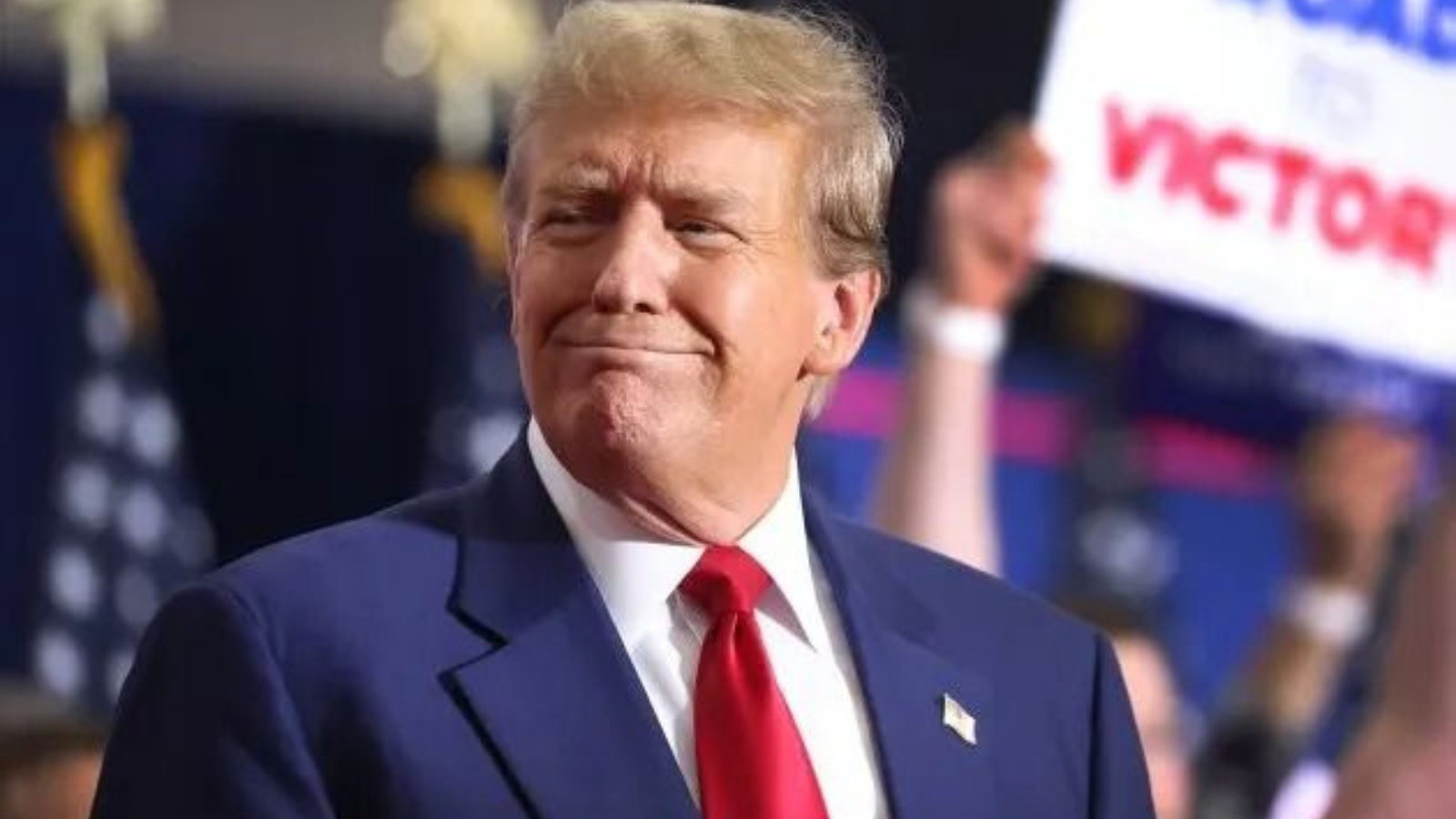

Trump’s second term is shaking the foundations of the postwar system, replacing a rules-based order with a harsher world of spheres of influence and raw power bargains. What emerges next is likely a fragmented landscape in which Washington, Beijing and Moscow each claim their own turf while middle powers scramble to adapt.
A World Order Unraveling
For three generations, the basic architecture of global politics followed a familiar script: alliances like NATO, institutions like the World Trade Organization and a thick web of multilateral treaties constrained how states competed. The United States was both architect and enforcer, styling itself as guardian of an open, rules-based order that blended security guarantees with the spread of markets and democratic ideals. Even when Washington broke its own rules, the language of global governance remained one of shared norms, collective security and painstaking diplomacy.
That script is now being rewritten from the Oval Office. Trump’s “America First” doctrine openly prizes sovereignty over cooperation and deals over norms, treating alliances and institutions as disposable if they no longer feel advantageous. Tariff wars, withdrawals from international agreements and threats to reduce commitments to NATO and other partners have turned the old vocabulary of partnership into a vocabulary of leverage. In place of long-term stewardship of the system, the administration presents foreign policy as a set of transactions to be recalculated with every electoral cycle.
This shift is not simply rhetorical; it has measurable effects on how other capitals behave. When Washington signals that it will no longer reliably underwrite the global commons, allies and rivals alike begin hedging against American volatility. European governments debate stepping up independent defense capacity, Asian partners toy with their own nuclear options and developing countries test the waters of new alignments with China, Russia or regional blocs.
Spheres Of Influence Come Back
The most striking consequence of this new posture is the reemergence of spheres of influence as an organizing principle of world politics. In Washington’s latest security strategies, the Western Hemisphere is described less as a cooperative neighborhood and more as a privileged domain where the United States asserts a right to shape political and security outcomes. That mindset has been reinforced by recent interventions and pressure campaigns in Latin America, where democracy promotion coexists uneasily with hard-edged efforts to contain rivals.
Similar logics are visible elsewhere. Russia pushes its claims over eastern Europe and parts of the former Soviet space, testing how far it can go while Washington questions old commitments to NATO. China, meanwhile, deepens its presence in East Asia, the South China Sea and critical chokepoints from the Indian Ocean to the Pacific, betting that ambiguity in U.S. guarantees will create openings. Instead of a single hegemon sitting atop a liberal order, three major powers grope toward an uncomfortable arrangement in which each seeks dominance in its own region and tolerable influence beyond.
This return to spheres does not mean a neat or stable balance. Each domain overlaps at the margins, from Ukraine to the Taiwan Strait, making miscalculation more likely. Middle powers such as Turkey, Brazil, India and South Africa find new space to maneuver, switching partners and playing patrons against one another to extract maximum benefit. The result is a crowded chessboard where old rules are disputed and new ones have yet to be agreed, at the very moment global crises demand coordination.
Winners, Losers And The Gray Zone
For some actors, the erosion of the old order looks like an opening rather than a threat. Governments long frustrated with Western dominance of global finance and security institutions see a chance to renegotiate their place. New clubs and forums gain weight as alternatives or supplements to long-standing bodies, offering more voice to emerging economies and authoritarian regimes alike. In a world of customized deals, leaders adept at personal diplomacy and brinkmanship can extract concessions that would have been unthinkable under the previous regime of rules.
Yet there are clear losers. Small states that once relied on international law and multilateral protection now face a harsher calculus: align with a patron, arm themselves or risk being squeezed. Trade-dependent countries fear becoming collateral damage in tariff wars and decoupling campaigns, as rival blocs erect competing standards and supply chains. Human rights advocates, climate organizers and civil society groups discover that without strong multilateral backers, their causes are more easily sidelined in favor of raw security and economic bargaining.
Most people, however, will live in a gray zone between breakdown and reinvention. Supply chains will slowly rewire, making some goods more expensive and others cheaper depending on new alignments. Regional crises may flare more often as local actors test how far they can go before provoking major power pushback, from maritime skirmishes to cyberattacks that blur lines between war and peace. Everyday life in many countries will be shaped less by sweeping treaties and more by the volatile mix of sanctions, export controls, security deals and technological rivalries.
What Comes After The Collapse
If the old order is crumbling, the most important question is not what is ending but what might replace it. One plausible future is a patchwork of overlapping regimes, with different rules for trade, data, currency and security depending on which bloc is involved. Companies and governments would have to navigate multiple systems simultaneously, deciding whether to comply with U.S. standards, Chinese standards, European norms or some hybrid. In this scenario, global governance becomes less about universal rules and more about managing friction between rival frameworks.
Another possibility is a gradual rebuilding of cooperation, but on harder, narrower terms. Exhausted by crises, governments might rediscover the value of bargains on climate, pandemics or financial stability, even if mistrust keeps those bargains limited. The next generation of institutions could be slimmer and more transactional, designed less around shared values and more around managing specific risks that no state can handle alone. Instead of grand visions of liberal order, they would resemble pragmatic compacts born of necessity.
Much depends on domestic politics inside the major powers. Foreign policy doctrines are ultimately extensions of internal debates about identity, inequality and security. If voters in the United States, Europe and Asia continue rewarding leaders who define success as outmaneuvering rather than cooperating with rivals, the gravitational pull will favor fragmentation. But if the costs of disorder—from economic shocks to climate disasters—become too obvious to ignore, political incentives may shift toward rebuilding some form of shared order, even if it looks very different from the one now passing into history.