
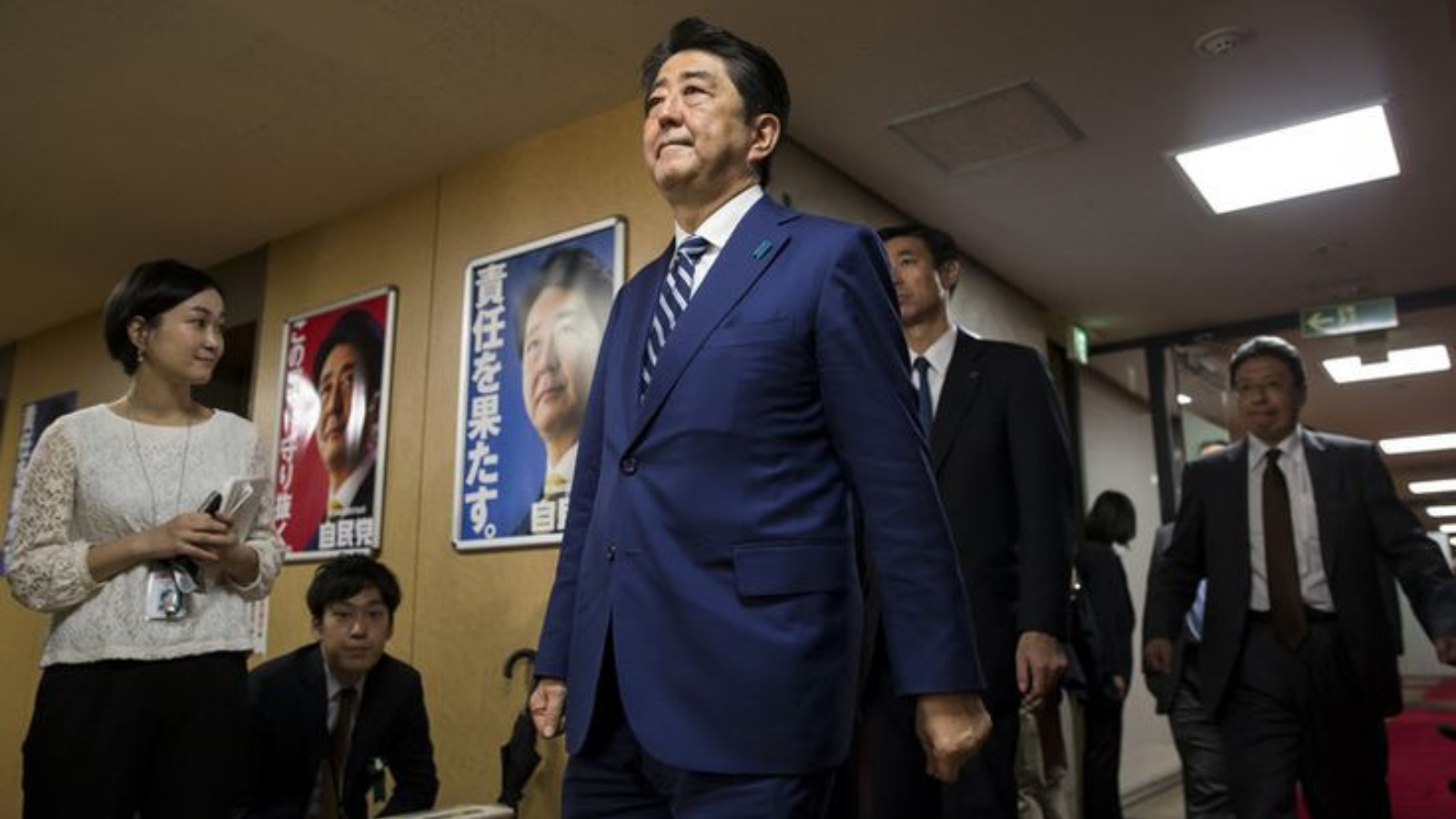

In a move that caught both allies and rivals off guard, Japan’s prime minister has called for a snap election at a moment when public approval appears to be firmly on his side. The decision reflects a calculated political gamble, one designed to capitalize on favorable sentiment before shifting domestic and global pressures begin to reshape the landscape.
Timing has always been a critical instrument in Japanese politics, and this latest maneuver underscores how leadership often hinges on reading the public mood with precision. With approval ratings buoyed by recent policy wins and a relatively stable economic outlook, the administration appears intent on securing a renewed mandate while the window of opportunity remains open.
Observers note that snap elections in Japan are rarely impulsive. Instead, they are often rooted in a careful assessment of internal party dynamics, opposition readiness, and external uncertainties. By advancing the electoral timeline, the prime minister is effectively setting the terms of engagement, forcing competitors into a reactive stance.
Public Confidence and Policy Momentum
Central to the decision is a surge in public confidence, driven in part by recent economic indicators and diplomatic positioning. While Japan continues to navigate global headwinds, including shifting trade alliances and regional tensions, the government has managed to project an image of steadiness and competence.
Economic policy has played a significant role in shaping voter sentiment. Incremental wage growth, targeted stimulus measures, and a focus on technological innovation have helped reinforce a narrative of cautious progress. Though challenges remain, particularly in addressing long-term demographic decline, the current administration has succeeded in maintaining a degree of optimism among key voter blocs.
At the same time, foreign policy has contributed to the prime minister’s standing. Japan’s active role in regional security dialogues and its efforts to strengthen alliances have resonated domestically, presenting the country as both resilient and influential on the global stage. This combination of internal stability and external engagement has provided fertile ground for an early electoral push.
Opposition Faces a Compressed Timeline
For opposition parties, the sudden announcement presents a formidable challenge. With limited time to consolidate messaging, finalize candidate selections, and mobilize grassroots support, rivals must now operate under intense pressure. The compressed timeline favors incumbency, particularly when the ruling party enters the race with organizational advantages and financial resources.
Fragmentation within the opposition further complicates the picture. While there have been attempts to unify around shared policy goals, ideological differences and leadership rivalries have often hindered cohesive action. The snap election forces these tensions into sharper focus, raising questions about whether a unified front can be achieved in time to mount a credible challenge.
Despite these hurdles, some analysts caution against underestimating the opposition’s potential. Japanese voters have historically demonstrated a willingness to shift allegiances when presented with compelling alternatives. The coming weeks will test whether opposition leaders can translate public concerns into a persuasive and cohesive campaign narrative.
Implications for Japan’s Political Trajectory
Beyond the immediate electoral contest, the snap election carries broader implications for Japan’s political trajectory. A decisive victory would not only strengthen the prime minister’s mandate but also provide greater latitude to pursue long-term reforms. These may include structural economic changes, defense policy adjustments, and initiatives aimed at addressing population decline.
Conversely, a weaker-than-expected showing could recalibrate the balance of power within the ruling party itself. Internal factions may begin to reassess leadership direction, potentially influencing policy priorities and governance style. In this sense, the election serves as both a public referendum and an internal barometer of political strength.
Internationally, the outcome will be closely watched. As one of the world’s largest economies and a key player in regional security, Japan’s political stability carries significant weight. Allies and partners will be looking for signals of continuity, particularly in areas such as trade policy and defense cooperation.
As the campaign unfolds, the prime minister’s decision will be scrutinized not only for its immediate results but also for what it reveals about the evolving dynamics of Japanese leadership. In a political environment where timing can define legacy, this bold move may ultimately shape the next chapter of the nation’s governance.