

A growing coalition of artists from around the world is stepping into one of the most urgent humanitarian conversations of the moment, lending their voices to calls for the protection of medical facilities in Gaza. Through open letters, public statements, and coordinated campaigns, actors, musicians, writers, and visual artists have expressed alarm over what they describe as repeated and deliberate strikes on hospitals amid ongoing conflict.
Their intervention reflects a broader shift in how cultural figures engage with global crises. No longer confined to symbolic gestures, many artists are using their platforms to demand accountability and amplify the concerns of humanitarian organizations. For some, the issue is deeply personal, while for others it is rooted in a belief that cultural influence carries a responsibility to advocate for civilian protection and international law.
Stories From the Ground Stir Global Reaction
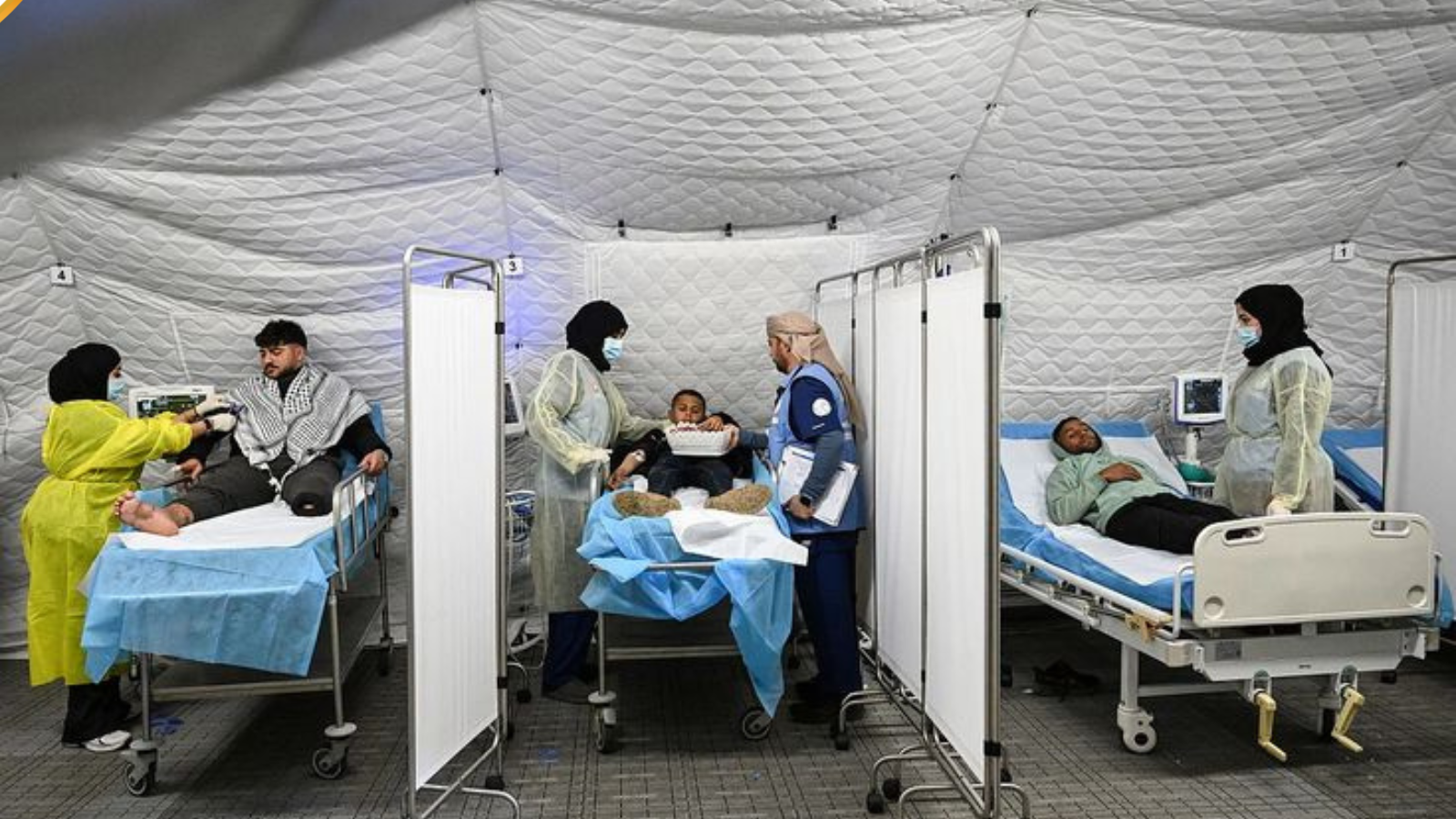
Reports emerging from Gaza have painted a grim picture of healthcare systems under extreme strain. Medical professionals working in overwhelmed conditions have described shortages of essential supplies, damage to infrastructure, and the challenge of treating patients in facilities that are themselves at risk. These accounts have circulated widely, prompting emotional responses from both the public and the creative community.
Artists referencing these reports often highlight the symbolic weight of hospitals in conflict zones. As spaces traditionally protected under international humanitarian law, their perceived targeting raises profound ethical and legal questions. For many signatories of recent statements, the issue is not only about the immediate loss of life but also about the erosion of norms designed to safeguard civilians during war.
Public Figures Amplify Calls for Accountability
The involvement of high-profile cultural figures has significantly expanded the reach of the message. Social media campaigns, interviews, and collaborative statements have drawn attention from audiences that might otherwise remain distant from geopolitical developments. This amplification has, in turn, increased pressure on international institutions to respond more decisively.
Some artists have framed their advocacy in explicitly political terms, calling for investigations and urging governments to take stronger positions. Others have adopted a more humanitarian tone, focusing on the need for ceasefire agreements and the protection of essential services. Despite differences in approach, the underlying message remains consistent: that attacks on healthcare infrastructure represent a critical breach of global norms.
The response to these calls has been mixed. Supporters argue that public figures play a vital role in raising awareness and mobilizing public opinion. Critics, however, question whether celebrity involvement simplifies complex geopolitical realities. This tension underscores the broader challenge of translating cultural influence into meaningful policy impact.
Art, Advocacy, and the Limits of Influence
The current wave of artistic activism reflects a long tradition of cultural engagement with conflict and human rights. From anti-war movements to humanitarian campaigns, artists have often served as both witnesses and advocates. What distinguishes the present moment is the speed and scale at which these voices can mobilize global attention.
Yet questions remain about the effectiveness of such efforts. While statements and campaigns can shape public discourse, their ability to influence decision-making at the highest levels is less certain. For some observers, the value lies less in immediate outcomes and more in sustaining awareness and moral pressure over time.
For the artists involved, however, the decision to speak out appears driven by a sense of urgency rather than strategic calculation. In interviews and public remarks, many have emphasized that silence is not an option when civilian lives and critical infrastructure are at stake. Their engagement highlights the evolving role of cultural figures in a world where the boundaries between art, politics, and activism continue to blur.
As the situation unfolds, the voices of artists are likely to remain part of the broader conversation, contributing to an ongoing dialogue about accountability, protection, and the human cost of conflict. Whether their influence leads to tangible change or simply keeps the issue in the public eye, their involvement underscores the enduring power of culture to shape how global events are understood and remembered.