
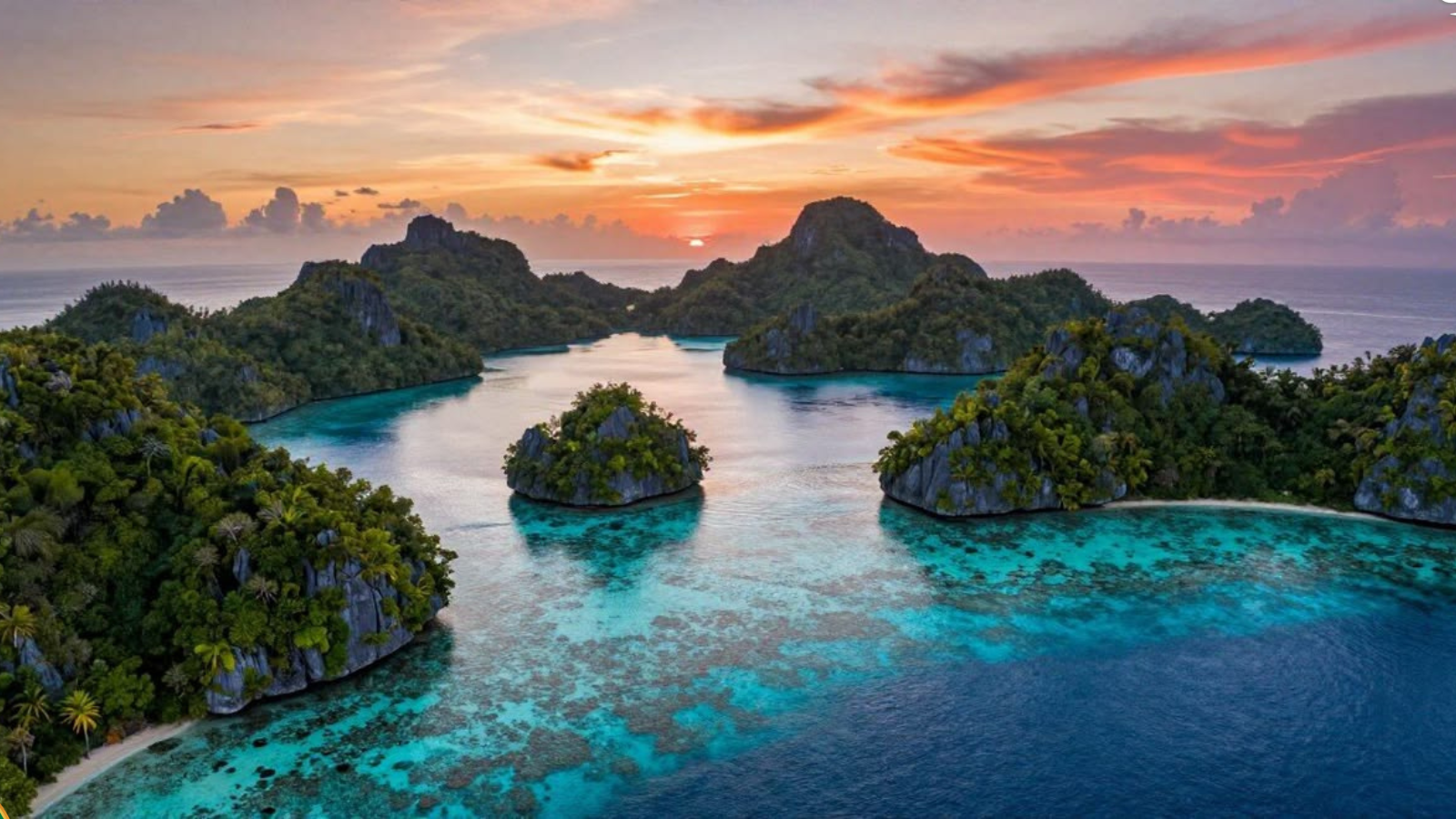

Far from the crowded sea lanes and tourist-heavy shorelines of the Indian Ocean lies the Chagos Archipelago, a chain of islands that has remained largely untouched by modern development. Its isolation has allowed coral reefs to flourish, marine life to thrive, and ecosystems to evolve with minimal human interference. Scientists often describe the region as one of the last true marine wildernesses on Earth, a rare glimpse into what oceans looked like before industrial pressures took hold.
Yet even in its remoteness, the Chagos Islands are not immune to global environmental challenges. Climate change, illegal fishing, and geopolitical tensions are beginning to cast a shadow over this ecological haven. What makes the archipelago exceptional is also what makes it vulnerable. Without sustained attention and coordinated protection, this natural refuge risks becoming another cautionary tale of environmental neglect.
A Living Laboratory of Biodiversity
The ecological richness of the Chagos Archipelago is not merely aesthetic; it is scientifically invaluable. The coral reefs surrounding the islands are among the healthiest in the world, serving as critical habitats for countless marine species, including endangered turtles, sharks, and migratory fish populations. These waters act as breeding and feeding grounds that support broader ocean ecosystems across the Indian Ocean basin.
Researchers have long viewed Chagos as a living laboratory, offering insights into how marine ecosystems function in the absence of heavy human activity. This makes it a benchmark for conservation science, helping experts understand resilience, recovery, and the long-term impacts of environmental stressors. Preserving such a site is not just about protecting one location; it is about maintaining a global reference point for ecological health.
The Intersection of Conservation and Politics
Despite its environmental significance, the future of the Chagos Islands is entangled in complex political dynamics. Disputes over sovereignty and the historical displacement of the Chagossian people have brought international attention to the region, often shifting the narrative away from conservation toward legal and humanitarian concerns. These issues are deeply important, yet they also complicate efforts to establish unified environmental policies.
Balancing ecological preservation with political resolution requires a nuanced approach. Conservation initiatives must be inclusive, recognizing both the rights of displaced communities and the need to maintain strict environmental protections. The challenge lies in ensuring that any future developments or resettlement plans do not compromise the fragile ecosystems that have remained intact for decades. Achieving this balance will demand cooperation between governments, scientists, and local stakeholders.
A Call for Global Stewardship
Protecting the Chagos Archipelago is not solely the responsibility of any single nation. Its ecological importance extends far beyond regional boundaries, making it a matter of global concern. International conservation groups have already advocated for expanded marine protected areas and stricter enforcement against illegal activities. However, long-term success depends on sustained global commitment and funding.
Public awareness also plays a crucial role. Unlike more visible environmental crises, the threats facing Chagos are largely out of sight, making them easier to overlook. Bringing attention to its significance can help mobilize support for policies that prioritize preservation over exploitation. In an era where natural ecosystems are increasingly under pressure, the Chagos Islands stand as a reminder of what is still worth protecting and what could be lost without decisive action.