
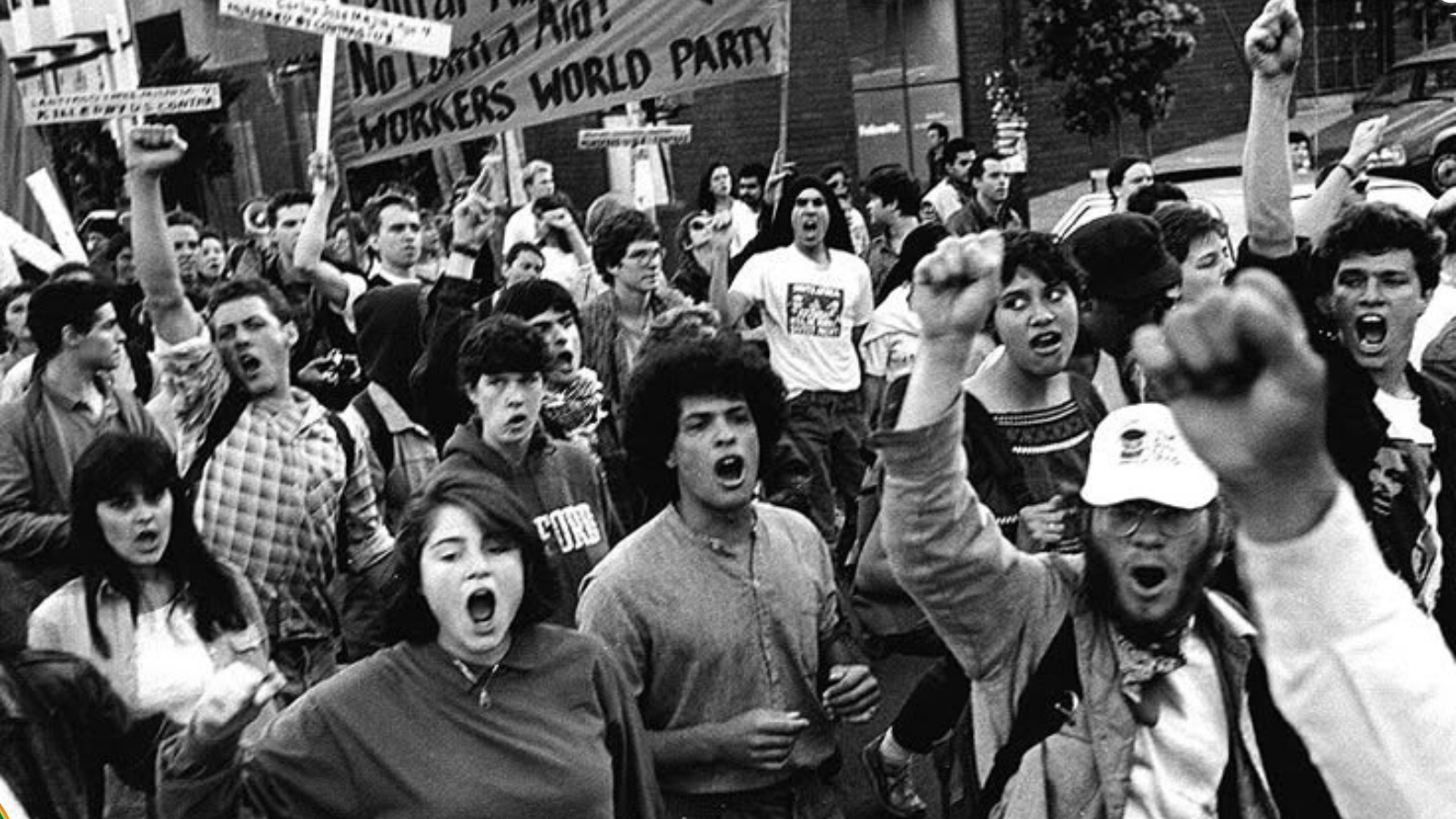

Across several democracies, a growing chorus of civil society organizations is raising alarm over proposals to expand government authority to curb public protests. What authorities describe as measures to maintain order and public safety are being framed by critics as a significant overreach, one that risks eroding fundamental freedoms long considered pillars of democratic societies.
Advocacy groups argue that the proposed measures, which include broader surveillance capabilities and stricter controls on demonstrations, could disproportionately target peaceful protesters. They warn that such policies may not only stifle dissent but also create a chilling effect, discouraging citizens from participating in civic discourse altogether. For many, the issue is not simply about protest management but about preserving the delicate balance between security and liberty.
At the heart of the debate is a fundamental question: how far should governments go in regulating public assembly before it begins to undermine the very democratic values they claim to protect. Legal experts and rights advocates are increasingly concerned that the line is becoming blurred, with long-term implications for freedom of expression.
Voices from the Frontlines of Advocacy
Civil society leaders have been vocal in their opposition, describing the proposals as “dangerous” and “deeply regressive.” Organizations working in human rights, legal reform, and grassroots mobilization have joined forces to challenge what they see as an alarming trend toward authoritarian-style governance, even within established democracies.
Many of these groups point to recent instances where protest-related laws have been used to detain activists, restrict movement, or impose heavy penalties on demonstrators. They argue that expanding these powers could normalize excessive enforcement and embolden authorities to act with greater impunity. In their view, the proposed changes are less about public safety and more about controlling narratives and limiting opposition.
Activists on the ground echo these concerns, noting that marginalized communities are often the first to feel the impact of such policies. For them, protests are not just a right but a necessity, a means of being heard in systems where traditional channels of influence may be inaccessible. Restricting this avenue, they argue, risks silencing voices that are already underrepresented.
Governments Defend Measures as Necessary Safeguards
Government officials, however, present a different perspective. They emphasize that the proposed measures are designed to address evolving security challenges, including the potential for unrest to escalate into violence. In an era marked by rapid mobilization through digital platforms, authorities argue that existing frameworks may no longer be sufficient to ensure public safety.
Officials contend that the new provisions are targeted and proportionate, aimed at preventing disruptions to critical infrastructure and protecting citizens from harm. They maintain that peaceful protest will remain protected, and that enforcement will focus primarily on unlawful activities that pose genuine risks.
Despite these assurances, skepticism remains high among critics. They question whether safeguards will be adequately enforced and whether oversight mechanisms are robust enough to prevent misuse. The lack of clear definitions in some proposals has further fueled concerns, leaving room for broad interpretation and potential abuse.
The Broader Implications for Democratic Societies
Beyond the immediate policy debate, the issue speaks to a larger global trend in how governments are responding to dissent. As political polarization intensifies and social movements gain momentum, the tension between control and freedom is becoming increasingly pronounced.
Observers note that the normalization of stricter protest regulations could set precedents that extend beyond national borders. In a globally interconnected world, policy shifts in one country can influence others, potentially leading to a ripple effect that reshapes the landscape of civic engagement worldwide.
For many, the path forward lies in dialogue and transparency. Civil society groups are calling for greater consultation, urging governments to engage with stakeholders before implementing sweeping changes. They stress that safeguarding public order should not come at the expense of fundamental rights, and that sustainable solutions require collaboration rather than confrontation.
As debates continue, one thing remains clear: the outcome will have lasting implications not only for those who take to the streets, but for the broader health of democratic institutions. The challenge lies in navigating these complexities without compromising the principles that underpin open and inclusive societies.