
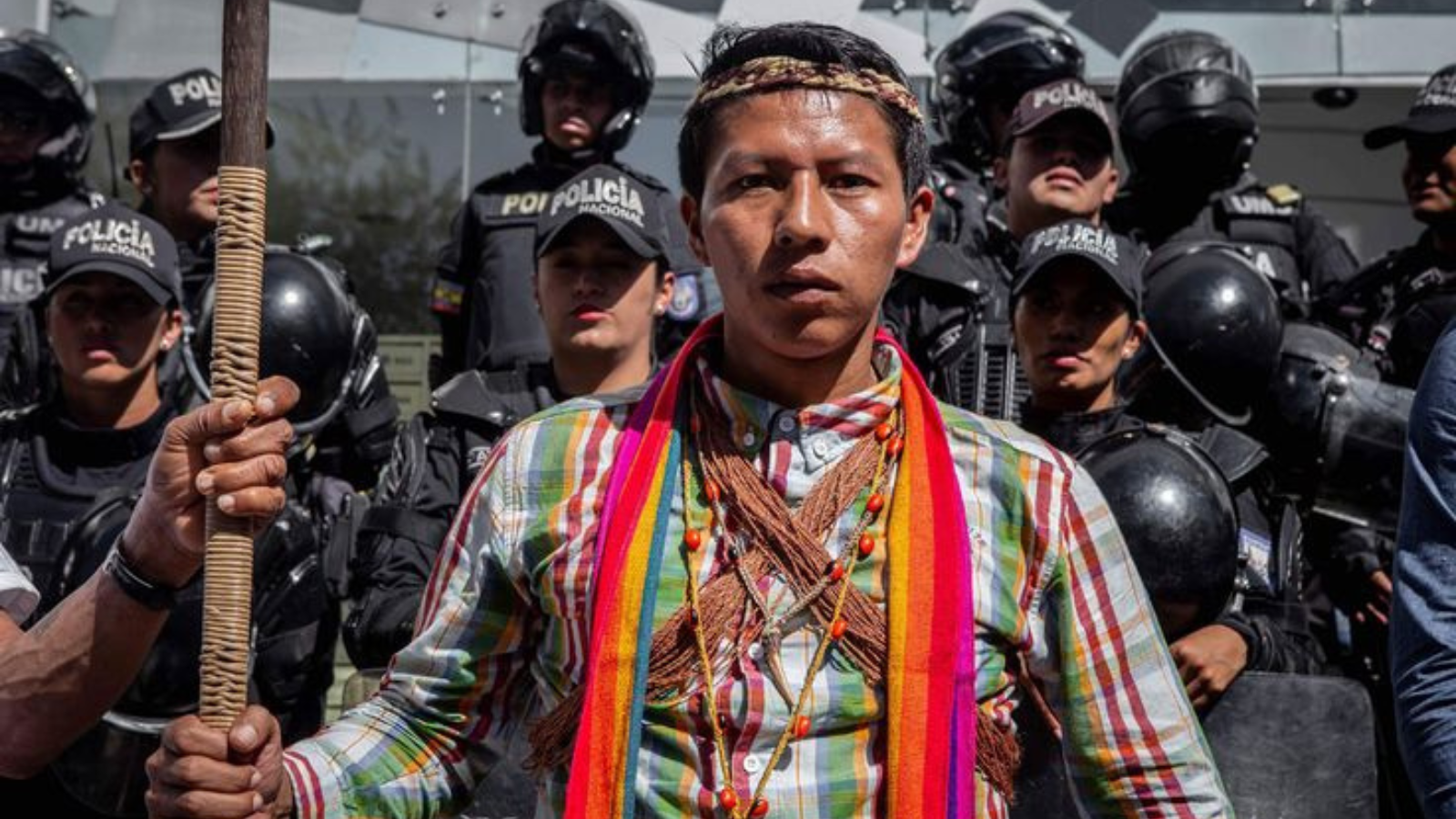

In the dense and contested landscapes of Peru’s Amazon, the killing of an Indigenous leader sent shockwaves through communities long accustomed to defending their land. The victim, widely regarded as a vocal advocate for environmental protection and Indigenous rights, had spent years resisting illegal activities encroaching on ancestral territory. His death, authorities allege, was not random but orchestrated.
Prosecutors claim the killing was a contract operation, carried out by individuals hired to silence a persistent opponent of illegal logging and land exploitation. The charges have drawn national attention, not only because of the brutality of the crime, but also due to what it represents in a broader struggle over land, resources, and power in Peru’s remote regions.
As the case moves toward trial, it has become a focal point for conversations about impunity and the risks faced by environmental defenders. For many, the courtroom proceedings are about more than justice for one man. They are a test of whether the system can protect those who stand at the front lines of conservation.
The Path to Prosecution
Authorities spent months piecing together evidence that led to the arrest and charging of several men accused of involvement in the killing. Investigators say the case involves coordination and financial arrangements consistent with a planned contract attack. While details continue to emerge, officials have indicated confidence in the strength of their case as it heads to trial.
Legal experts note that prosecuting such cases in remote regions often presents significant challenges. Witnesses may be reluctant to come forward due to fear of retaliation, and logistical hurdles can complicate evidence gathering. Despite these obstacles, the prosecution has framed the case as a priority, signaling an intent to pursue accountability at multiple levels.
The defense, however, is expected to challenge both the evidence and the narrative presented by prosecutors. As the trial approaches, questions remain about whether the proceedings will fully uncover the network behind the crime or focus primarily on those directly accused of carrying it out.
A Broader Pattern of Violence
The killing is not an isolated incident but part of a troubling pattern across parts of Latin America, where environmental and Indigenous leaders frequently face threats, intimidation, and violence. Peru, with its vast natural resources and competing economic interests, has become a flashpoint for such conflicts.
Advocacy groups have repeatedly warned that defenders of the Amazon are often left vulnerable. Limited state presence in remote areas, combined with the lucrative nature of illegal industries, creates conditions where violence can thrive. In this context, the targeting of community leaders serves as both a tactic and a warning.
The upcoming trial is being closely watched by international observers and human rights organizations. Many see it as an opportunity for Peru to demonstrate its commitment to protecting Indigenous communities and enforcing the rule of law. At the same time, there is skepticism rooted in past cases where justice has been slow or incomplete.
Community Resilience and the Fight Ahead
In the victim’s community, the loss is deeply personal, but it has also reinforced a collective resolve. Local leaders have continued to speak out, emphasizing the importance of defending their land and honoring the legacy of those who have been lost. For them, the trial represents both a moment of grief and a chance for recognition.
There is also a growing call for structural change. Community advocates are urging stronger protections for environmental defenders, more effective enforcement against illegal activities, and greater recognition of Indigenous land rights. These demands extend beyond the courtroom and into the realm of policy and governance.
As proceedings begin, the outcome will carry implications far beyond the individuals on trial. It will shape perceptions of justice, influence future cases, and potentially alter the dynamics between communities, the state, and those who seek to exploit natural resources. For now, all eyes are on a trial that could mark a turning point in a long and difficult struggle.