
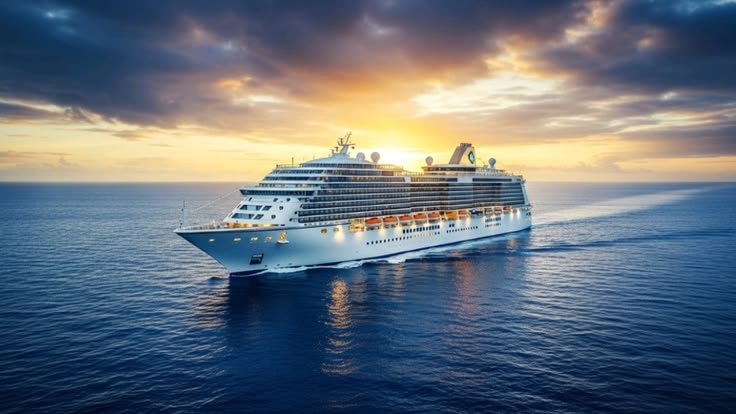

Australia’s cruise industry is riding an unexpected wave of growth. After years of disrupted travel, demand for ocean voyages has surged, with ports from Sydney to Brisbane reporting record passenger numbers. For many Australians, cruising offers a rare mix of convenience and escapism, combining accommodation, dining, and travel into a single, streamlined experience.
This renewed appetite is not just anecdotal. Industry data shows bookings surpassing pre-pandemic levels, with first-time cruisers joining seasoned travelers in large numbers. Families, retirees, and younger professionals alike are rediscovering the appeal of setting sail close to home, avoiding long-haul flights while still enjoying international-style leisure.
Yet beneath the surface of this apparent golden era, the industry is navigating a more complex reality. While consumers are returning enthusiastically, some of the biggest cruise operators are quietly adjusting their presence in the region, raising questions about the sustainability of the boom.
Strategic Retreats From Global Giants
In a surprising turn, several major cruise lines have scaled back their Australian deployments, redeploying ships to more profitable or strategically important markets. For an industry that once touted Australia as a key growth region, these moves have caught both travelers and analysts off guard.
Executives point to a combination of operational challenges and shifting global priorities. Rising fuel costs, regulatory pressures, and port fees in Australia have made the region less attractive compared to markets like North America and Europe, where infrastructure and margins often prove more favorable. At the same time, cruise companies are still recalibrating their fleets after the pandemic, prioritizing routes that promise higher yields.
There is also the question of seasonality. Australia’s cruise market, while growing, remains heavily tied to specific travel windows. This limits year-round profitability and complicates long-term planning for operators managing global fleets. As a result, even as demand rises locally, supply is being strategically constrained.
A Market Caught Between Growth And Friction
For industry stakeholders within Australia, the disconnect between booming demand and shrinking supply presents both opportunity and concern. Travel agents and local tourism operators are benefiting from increased interest, but they also face growing frustration over limited availability and rising prices.
Passengers are beginning to feel the effects. Fewer ships mean higher fares and reduced itinerary options, particularly for popular routes across the South Pacific. Some travelers are booking further in advance or turning to alternative cruise destinations abroad, potentially diluting the domestic market’s long-term momentum.
Government and port authorities are also under pressure to respond. Calls for more competitive port fees and improved infrastructure have grown louder, as industry advocates argue that Australia risks losing its position as a premier cruise destination. Without strategic adjustments, the current boom could prove difficult to sustain in the face of global competition.
Charting The Future Of Australian Cruising
Despite these challenges, the outlook is far from bleak. The strong rebound in demand underscores a fundamental shift in how Australians view travel, with cruising now firmly embedded in mainstream holiday planning. This presents a compelling case for renewed investment and policy alignment to support the sector’s growth.
Some cruise lines are exploring more flexible deployment strategies, including shorter itineraries and repositioning cruises that better match Australia’s seasonal patterns. At the same time, local operators and smaller brands are stepping in to fill gaps left by larger players, creating a more diverse and dynamic market landscape.
Ultimately, the future of cruising in Australia will depend on how effectively the industry balances global strategy with local opportunity. The current moment reflects both the promise and the tension of a market in transition. For travelers, the allure of the open sea remains as strong as ever. For the industry, the challenge lies in ensuring that this demand is met with sustainable, long-term commitment.