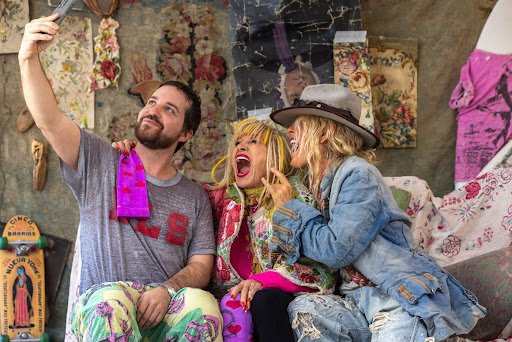

Few fashion labels earn their reputation without spending heavily to manufacture it. Magnolia Pearl earned its entirely by accident — or rather, by conviction. Founded in 2002 by Robin Brown, the Texas-born brand built its following the slow way: one hand-stitched garment at a time, one collector at a time, one cause at a time. The result is a label that celebrities wear without being paid to, that collectors chase with genuine urgency, and that has quietly redirected over $550,000 toward people who need it most.
The Celebrities Came on Their Own Terms
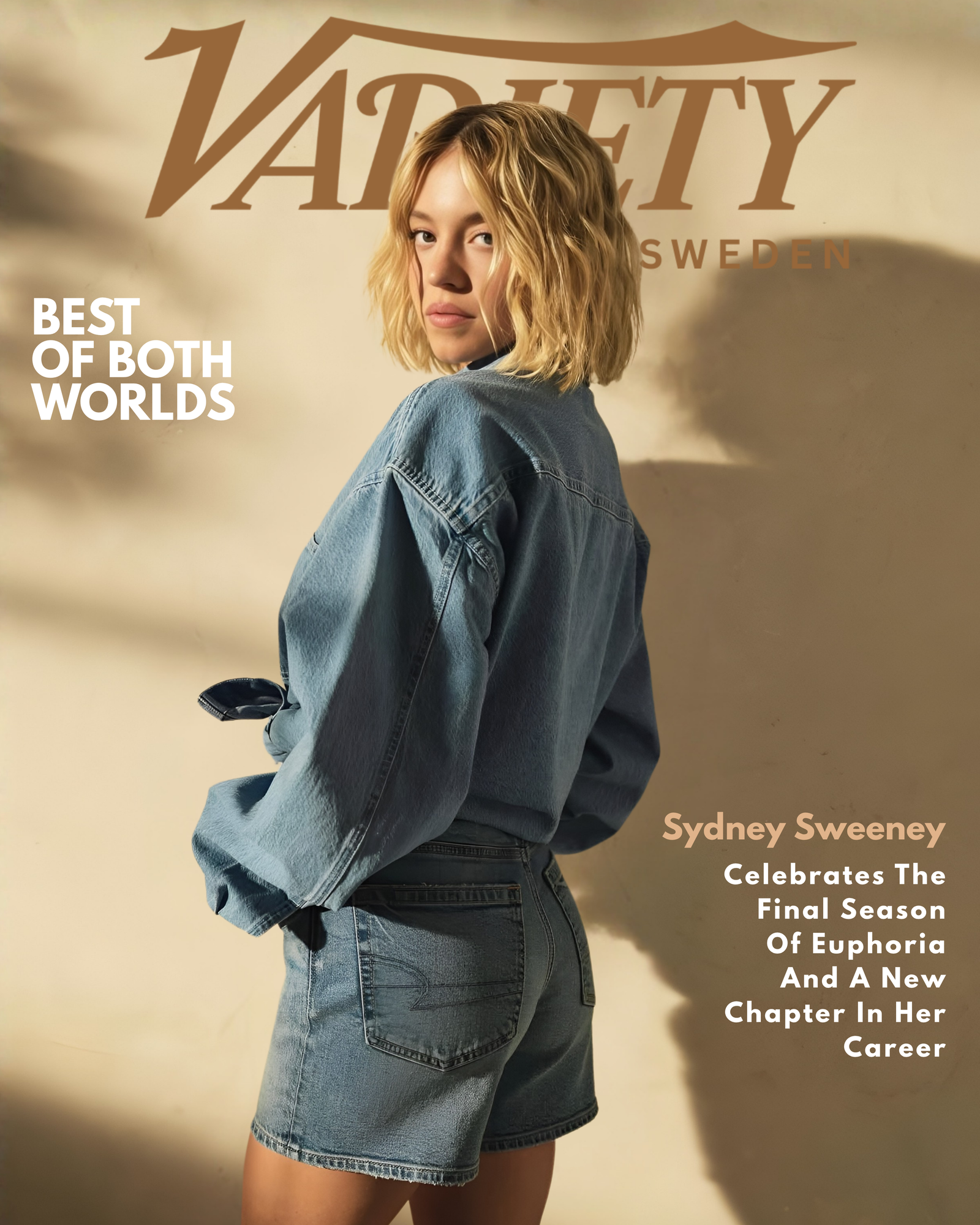
Taylor Swift wore Magnolia Pearl. So did Whoopi Goldberg, Blake Lively, and Daryl Hannah. None of it was arranged. No contracts were signed, no fees were exchanged, and no publicists brokered the relationships. The clothes simply found their way onto the right shoulders, which says more about the brand’s pull than any campaign could.
What draws famous people to Magnolia Pearl is likely what draws everyone else: the sense that each piece carries a history before it even arrives. Brown’s garments are finished by hand, stitched with visible mending, painted and patched with deliberate care. They look lived-in because the process of making them mirrors exactly that. For artists and storytellers who want to wear something that reflects their own complexity, the appeal is obvious.
Collectors Pay More for Pieces That Age Well
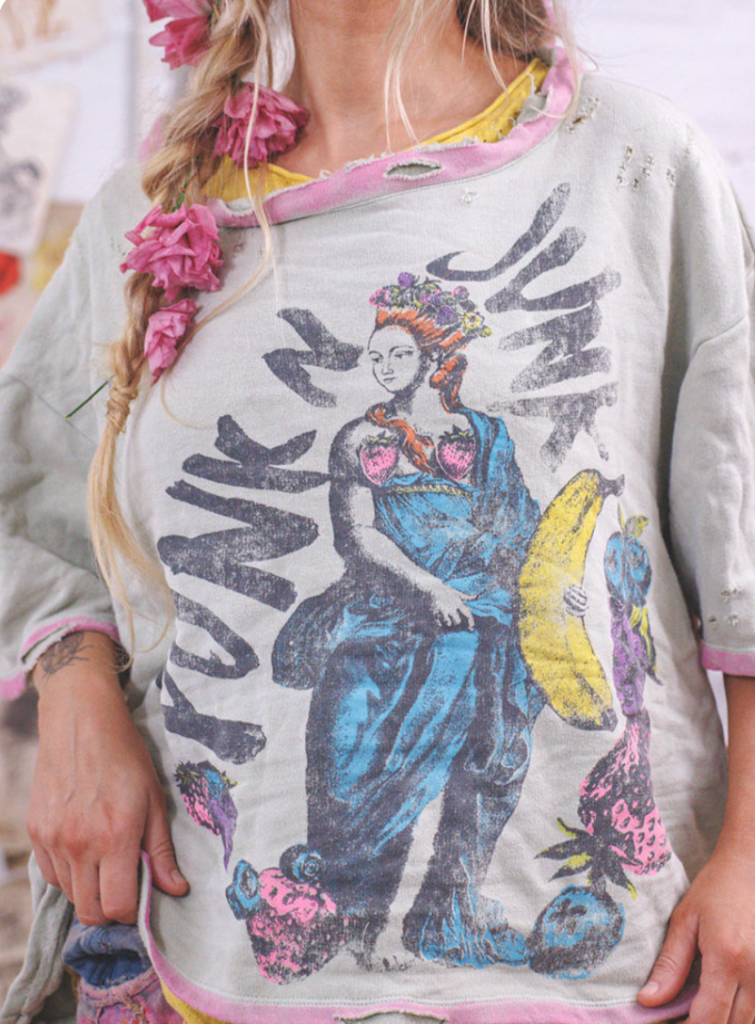
Magnolia Pearl occupies strange and valuable territory in the resale market. Most premium garments lose the majority of their value within a year of purchase. Magnolia Pearl pieces do the opposite, with many reselling at two to five times their original retail price, and earlier production runs commanding the highest premiums of all.
The reason is structural. Production runs are small by design, every garment is made by hand, and the visible wear that diminishes other clothing actually authenticates a Magnolia Pearl piece further. Scarcity and craft, working together, have built a secondary market that behaves more like fine art than apparel.
Magnolia Pearl Trade, the brand’s own authenticated resale platform launched in 2023, formalised what collectors had been doing informally for years. Rare samples, long-sold-out pieces, and pre-loved garments from the community all move through the platform, which charges the lowest seller fees of any online resale site. Every cent of those fees goes to charity.
The Money Moves Before Anyone Asks
The Magnolia Pearl Peace Warrior Foundation, the brand’s registered 501(c)(3) nonprofit, has raised over $550,000 for causes including permanent housing for Indigenous American veterans, medical and veterinary care for people experiencing homelessness, arts education for children in Brooklyn, and disaster relief along the California coast. The giving is not a gesture; it is written into the commercial mechanics of the brand.
Magnolia Pearl’s staying power, then, is not a mystery. A label worn by people who chose it freely, valued by collectors for what it genuinely offers, and channeling its commercial success toward real human need — that combination does not require trend cycles or advertising budgets to sustain itself. It simply requires someone who means it. Brown, by every available measure, does.