
Los Angeles Fashion Week will storm The Lot Studios this March, turning a working West Hollywood film lot into a two‑day runway playground. The Bureau Fashion Week, the organizer behind the March shows, is betting that when the front row feels electric, the velvet rope should matter less than the ticket in your hand.
A Runway Weekend Built Like a Festival
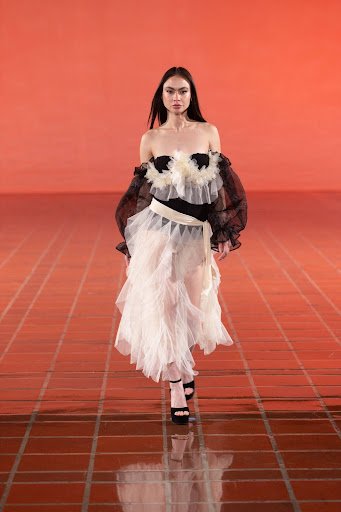
Los Angeles Fashion Week by The Bureau runs March 13–14, 2026, packing five runway blocks into two days at The Lot Studios. Across those shows, more than 50 designers rotate through the spotlight, from street-inflected labels such as Deep Pocket Mafia and Shock Treatment to high-drama names like Giannina Azar, Pia Bolte, House of Musa, and Joseph Auren. The venue’s scale matters. The Lot keeps the room tight enough that even standard tickets sit close to the energy of the catwalk.
Single-show tickets begin at 65 dollars for standing room, aimed at guests who might usually watch Fashion Week through a screen. Reserved seating starts at 95 dollars, with chairs in the mid-rows, while front row VIP seats move buyers to within a few feet of the runway and add perks like priority entry and champagne, ranging up to 295 dollars depending on the show. At the top end, multi-show passes climb all the way to a 1,980‑dollar Ultimate package that stacks an Ultra VIP weekend—front row at every show, private lounge, concierge—with backstage and editorial-style experiences. The range reads like a spectrum built for students, creators, brand clients, and those treating the weekend as a once-a-year splurge.
Friday night sets the tone with a 6 p.m. opener anchored by emerging and streetwear voices, followed by an 8:30 p.m. block headlined by Azar and Auren. Saturday stretches the narrative. An afternoon show welcomes first-timers who want a gentler entry into Fashion Week, a 5:30 p.m. program leans into experimental labels such as Blank Studi0s and Sheila Vicens, and an 8:30 p.m. finale with Pia Bolte and Gayane Grigoryan is framed as the weekend’s climax. Each show runs roughly 60 to 90 minutes, with doors opening 30 minutes early, giving just enough space for arrivals, backstage prep, and the taut silence before the music hits.
Fashion Week Without the Velvet Rope
Old-school fashion weeks orbit around buyer calendars and editorial deadlines, with crowds clustered in invite-only corridors. Los Angeles Fashion Week by The Bureau pushes against that habit. Organizers talk about three “dimensions of access”: the runway, a private lounge, and the after-dark life of West Hollywood that spills out once the lights go down. VIP pass holders move into lounge spaces with panoramic runway views, champagne service, and concierge support, while general admission guests stand only a short distance away, phones raised.
There is no strict dress code, which is unusual for an event with this much polish. Guests lean into elevated streetwear, sharp tailoring, and club-ready pieces that travel easily from show to sidewalk. The atmosphere stays loose and expressive. People come to watch, but they arrive fully aware they will be watched too, their looks folded into the stream of social media posts that follows every walk. Photography and video are encouraged, and the organizers urge attendees to tag the official channels, treating every angle as part of the weekend’s story.
Ticketing doubles as a kind of identity card. A 265‑dollar general admission weekend pass opens every show to standard seating, while a 475‑dollar VIP weekend ticket adds premium seats, lounge access, champagne, and priority entry. Ultra VIP and Ultimate passes move guests into a different orbit, one where front row seats at every show, private lounges, and extra experiences blur the line between spectator and insider. A remark from inside the camp would fit the mood: “If sports fans can buy season tickets, fashion fans deserve the chance to sit front row at least once.” The message is pointed. Fashion Week can keep its myth, but spectatorship no longer needs an industry badge.
More than 40 percent of attendees are first‑timers, according to organizers, a figure that suggests appetite far beyond the usual fashion crowd. Families can attend. Teenagers with mood boards saved on their phones can stand near stylists and buyers. Shows are all‑ages and credentials are unnecessary, which quietly rewrites who gets to claim the phrase “I went to Fashion Week.”
From the outside, Los Angeles Fashion Week by The Bureau reads like a pressure test for where fashion and live entertainment might be heading together. Five shows. More than 50 designers. Tickets that start in the territory of a good night out and climb to the level of a short trip. A venue that feels close enough to touch the clothes, yet polished enough to carry the myth. West Hollywood has seen its share of premieres and red carpets. March’s runway weekend adds something else to the calendar: a fashion event that treats the audience as part of the spectacle they came to see.