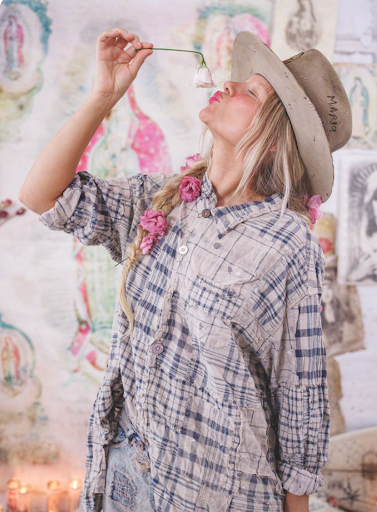

Magnolia Pearl began with a handmade backpack, kite string, old tapestry, and a moment of grief. Today, Robin Brown’s Texas-born fashion label has become a cult name among collectors, artists, and celebrities who see value in clothing that looks lived in, loved, and repaired.
A Brand Built From Memory
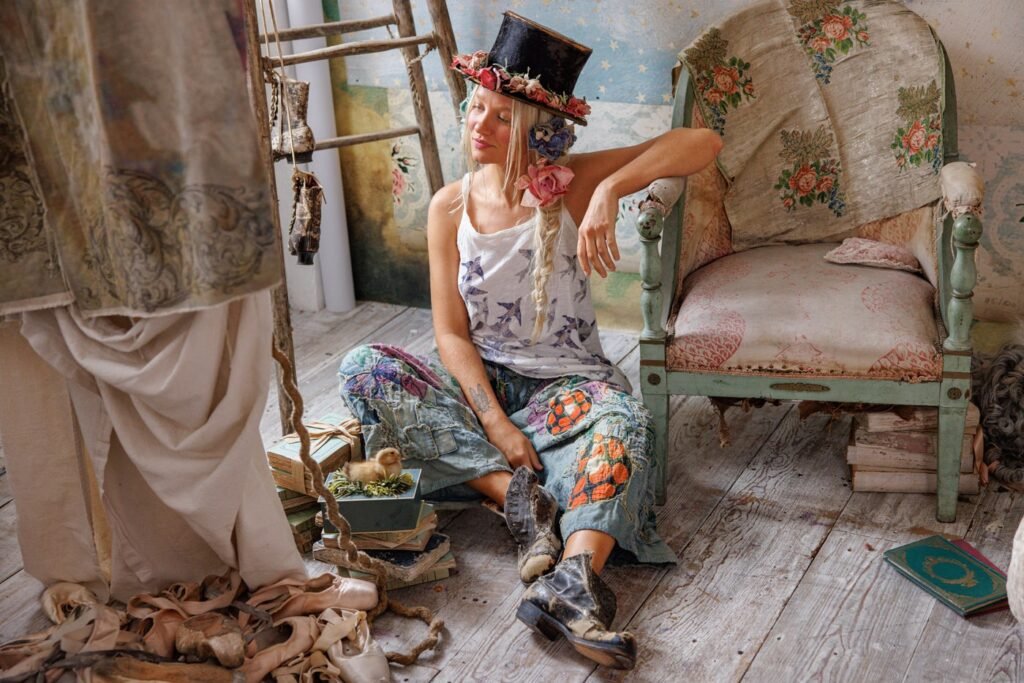
Magnolia Pearl was founded in 2002 by Brown. Its rise has been anything but ordinary. Brown’s first garment, a backpack she made by hand, was bought by a stranger for the exact amount she needed to retrieve her mother’s ashes from a funeral home.
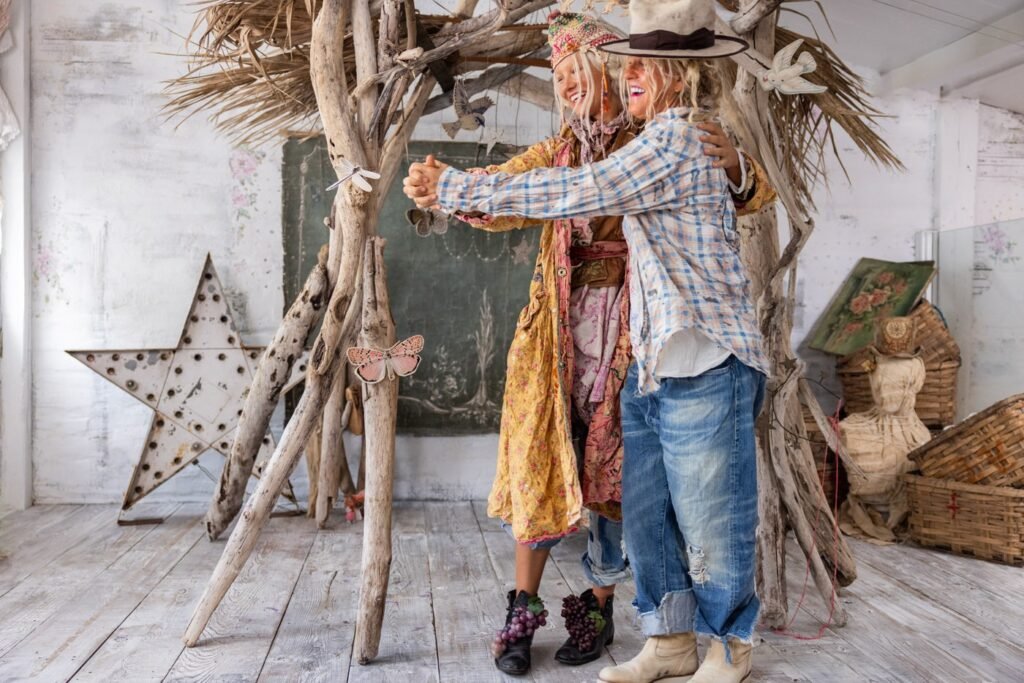
That story still haunts the brand in the best possible way. Magnolia Pearl’s clothes carry visible mending, paint marks, patchwork, soft fabrics, and worn edges. They do not chase a polished kind of luxury. They ask buyers to see beauty in survival.
Brown’s childhood was marked by poverty, abuse, neglect, hunger, and periods of homelessness. She helped raise her siblings and learned early to rescue what others discarded. That history now lives inside the brand’s look: romantic, raw, tender, and defiant.
For Magnolia Pearl, clothing is more than a product. It is a form of memory, a record of what can be repaired, remade, and carried forward.
Celebrity Love Meets Collector Demand
Magnolia Pearl’s celebrity following has helped bring wider attention to its singular style. Taylor Swift has worn the brand in a music video, Whoopi Goldberg has worn it on television, and Blake Lively has worn it in film. Other artists and cultural figures, including Daryl Hannah, Willie Nelson, AC/DC, Ozzy Osbourne, Black Sabbath, Mick Fleetwood, Lauren Daigle, and the Frida Kahlo Corporation, have been connected to licensed projects with the company.
That attention matters because Magnolia Pearl is built on feeling as much as fashion. A distressed jacket or patched dress may look like something found in an old trunk, but its price and following place it firmly in the high-end market.
Collectors have helped push Magnolia Pearl into a rare resale category. Some pieces have resold for double or triple their original retail prices through consignment shops, social media groups, and collector circles. Limited releases, strong identity, and emotional loyalty have given the garments a second life after the first sale.
Magnolia Pearl Trade, launched in 2023, gave that second life an official home. The authenticated resale platform lets collectors list pre-loved pieces, bid on others, and seek rare samples or long-sold-out finds. For a brand built on mending, resale feels less like an afterthought than a natural chapter.
Philanthropy at the Center
Magnolia Pearl’s growing fashion world is tied to giving. Brown founded the Magnolia Pearl Peace Warrior Foundation in 2020. The nonprofit has raised more than $550,000 for causes such as housing for Indigenous American veterans, food and medical care for unhoused people and their pets, wild horse protection, arts education, and disaster relief.
Magnolia Pearl Trade feeds that mission as well. The company says 25% of the final value of Magnolia Pearl Exclusive listings and 100% of third-party seller fees go to charity through the foundation.
That philanthropic work gives the brand’s beauty a sharper purpose. Magnolia Pearl’s garments may move through boutiques, wardrobes, resale circles, and celebrity closets, but part of the company’s larger story is rooted in service.
Magnolia Pearl’s power lies in that tension. Its clothes are costly, yet they speak the language of repair. Its fans include stars, yet its deepest story begins with need. Its resale value is rising, yet its founder keeps returning to service.
The result is a fashion company with unusual gravity. Magnolia Pearl sells garments, but its larger promise is simpler and harder to fake: what has been broken can still become beautiful.