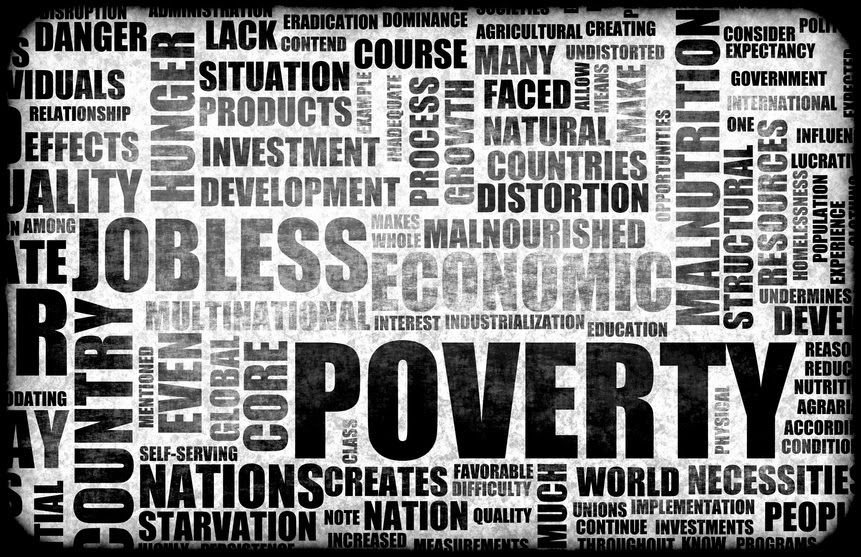

For generations, the image of the starving artist has been treated as a badge of authenticity. From garret apartments in Paris to cramped city studios, hardship has been woven into the mythology of creative greatness. For novelists in particular, suffering is often framed as a necessary companion to artistic depth, a quiet force that sharpens observation and emotional truth.
Yet beyond the romance lies a far less poetic reality. Financial instability does not simply add texture to a writer’s life; it shapes it in ways that can be both limiting and corrosive. Rent deadlines, unpaid bills, and the constant negotiation of basic needs often compete directly with the time and mental clarity required to write. What is celebrated as “struggle” from a distance frequently feels like survival at close range.
The narrative persists in part because it is convenient. It allows readers and industries alike to consume art without confronting the economic fragility behind it. But for many working novelists, the cost of that narrative is becoming harder to ignore.
Creativity Under Financial Pressure
Writing a novel demands sustained focus, emotional investment, and long stretches of uninterrupted time. Poverty disrupts all three. When a writer is juggling multiple jobs or navigating unstable housing, creative work is pushed into the margins of the day, often reduced to late-night hours when exhaustion has already set in.
This erosion of creative space has psychological consequences. Instead of serving as an outlet, writing can begin to feel like an additional pressure point, another unmet expectation in a life already stretched thin. The very act that is supposed to offer relief becomes entangled with stress, self-doubt, and urgency.
There is also the question of opportunity. Writers with financial stability can afford workshops, residencies, and time to revise. Those without it often rely on fragmented progress, limiting their ability to compete in an industry that already favors access and visibility. Over time, this imbalance reinforces itself, leaving many talented voices unheard not for lack of ability, but for lack of resources.
The Mental Health Paradox
Art is often championed as a tool for mental well-being, a way to process emotion and find meaning in difficult experiences. For novelists living in poverty, however, this promise can feel incomplete. While writing may offer moments of clarity or escape, it does not resolve the underlying conditions that create distress.
In fact, the pressure to produce meaningful work under strained circumstances can deepen feelings of inadequacy. When creative output slows or stalls, writers may internalize it as personal failure rather than a reflection of external constraints. This can lead to cycles of guilt and burnout that undermine both mental health and artistic confidence.
There is also a quieter isolation at play. Writing is inherently solitary, and when combined with financial insecurity, it can intensify a sense of disconnection. Without stable support systems or professional networks, many writers find themselves navigating both creative and personal challenges alone.
Rethinking the Value of Art and Artists
If the industry continues to celebrate art while neglecting the conditions of those who create it, the gap between recognition and reality will only widen. Supporting writers requires more than admiration; it demands structural change, from fair compensation models to accessible funding opportunities.
There are signs of progress. Independent presses, grant programs, and community-driven platforms are beginning to challenge traditional gatekeeping, offering alternative paths for emerging voices. Yet these efforts remain uneven, and the broader ecosystem still leans heavily on unpaid or underpaid labor.
Reframing the conversation means letting go of the idea that suffering is a prerequisite for meaningful work. Creativity does not need deprivation to be valid. In fact, stability often allows for greater experimentation, depth, and longevity in a writer’s career.
For novelists working under financial strain, the question is not whether art can support mental health, but whether the conditions surrounding that art allow it to do so. Until those conditions change, the promise of creativity as a refuge will remain, for many, an unfinished story.