

Nutrition quietly guides every strand of hair, long before any serum or salon visit enters the story. Scientists report that when vitamins, minerals, and protein run low, shedding tends to rise, and new growth can slow. That slow pattern has drawn closer attention to what sits on the plate and, when needed, into carefully chosen supplements.
What Science Says About Nutrients and Hair
Dermatology reviews link several deficiencies with increased hair shedding, including low iron, vitamin D, zinc, biotin, and vitamin B12. A recent analysis of more than 60,000 people found that higher vitamin D and iron levels were associated with fewer cases of alopecia, while frequent sugary and alcoholic drinks were tied to more hair loss. Researchers report that protein-poor eating patterns may leave hair bulbs thinner and less pigmented, leading to finer, duller strands over time.
Hair follicles are among the fastest-dividing cells in the body, so they rely on a steady stream of nutrients to stay in their growth phase. Zinc supports tissue repair and helps prevent early follicle regression, while vitamin C aids iron absorption and protects scalp cells from oxidative stress. Clinical reviews add that high doses of certain supplements, including vitamin A, selenium, and vitamin E, have been linked with hair loss, so dosing works best under medical guidance rather than trends.
Everyday foods can deliver much of this quiet support. Dietitians point to eggs, fish, lean meats, lentils, tofu, nuts, seeds, and leafy greens as steady sources of protein, iron, zinc, and essential fats that help strands stay stronger. Berries and citrus fruits are rich in vitamin C, which can help the body absorb iron and protect scalp tissues from damage. For many households, a plate with color, variety, and regular protein at each meal may matter as much to hair as anything lining the bathroom shelf.
When Diet Alone Falls Short
Even with solid eating habits, some people still fall short of recommended levels of vitamin D, iron, zinc, and B vitamins. Limited sun exposure, restrictive patterns, heavy menstrual bleeding, or digestive issues can all drain nutrient stores linked with hair growth. Medical groups encourage anyone with sudden or marked shedding to seek evaluation, including blood tests, rather than guessing about deficiencies.
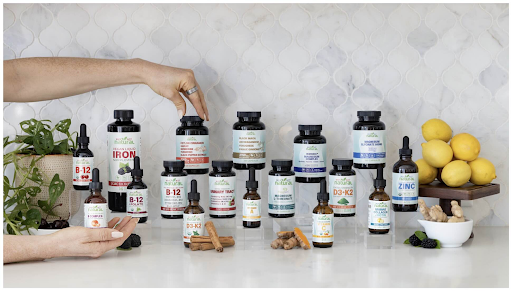
That gap between theory and daily life often leads people to consider targeted supplements. Why Not Natural, a woman-led company focused on liquid vitamins and filler-free capsules, positions its products as tools to fill very specific nutrient gaps rather than substitutes for food. Its catalog includes liquid vitamin D3 with K2, liquid zinc, and liquid B12 in research-backed forms that support immunity, energy metabolism, and general wellness, areas that can influence hair over time.
Why Not Natural emphasizes capsules without common fillers and liquids without sugars or synthetic dyes, a stance that suits readers who spend time studying labels. The brand subjects its products to third-party testing for contaminants, an extra quality step directed at cautious shoppers. Clinical sources still urge people to discuss any supplement regimen with a healthcare professional, particularly when hair changes appear suddenly or are accompanied by fatigue or brittle nails.
Small Daily Habits, Long-Term Effects
Hair responds slowly, so changes in diet or supplement use may take several months to show up in thickness, shine, or shedding patterns. Dermatology groups describe hair as a kind of “barometer” of internal health, which means stress, sleep, illness, and nutrition all leave visible marks over time. That delayed response can frustrate people staring at the drain, yet it reveals how closely hair tracks overall wellbeing.
Why Not Natural’s founder, chemical engineer and mother of three, Kelin Marquet, has spoken about creating supplements she feels comfortable giving to her children and herself, especially where she saw gaps in both kids’ and adults’ routines. Her public comments often center on ingredient transparency and on helping shoppers recognize which vitamins and minerals have evidence for hair, skin, and wider health. She stresses that nutrition makes up one part of the picture and encourages readers to view supplements as one tool among several, alongside medical care and daily habits.
Writers and clinicians return to a similar observation: hair tends to fare better when the whole person is supported. A plate filled with protein, colorful produce, and healthy fats, paired when appropriate with carefully selected supplements from companies such as Why Not Natural, may never sound as dramatic as a viral product promise. Yet that steady routine, repeated quietly day after day, is where many experts see the greatest chance for stronger, more resilient growth.