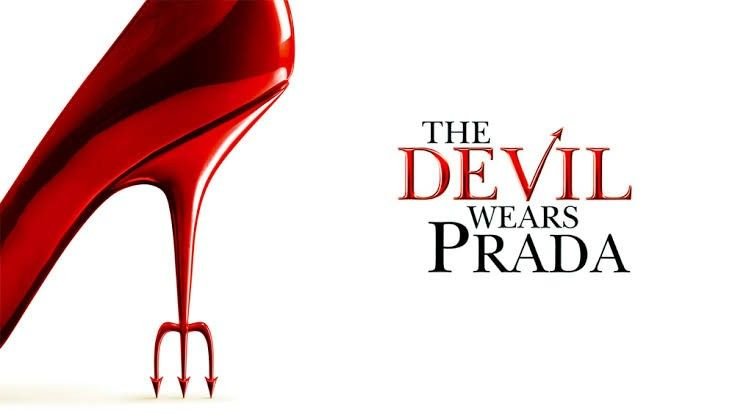

Nearly two decades after The Devil Wears Prada first defined a generation’s understanding of fashion’s inner sanctum, its return to cultural conversation feels both inevitable and complicated. The film, once celebrated for its sharp wit and glossy portrayal of ambition, is being revisited with a more critical eye. What once felt aspirational now carries an undercurrent of exhaustion, as audiences reassess the cost of success in an industry that thrives on perfection.
Part of the film’s enduring appeal lies in its vivid characters. Miranda Priestly remains an icon of power, her icy composure masking the relentless demands of leadership. Andy Sachs, meanwhile, continues to embody the tension between personal values and professional ambition. Yet in today’s climate, their journeys resonate differently. The sacrifices that once seemed like necessary rites of passage now prompt deeper questions about boundaries, burnout, and the true meaning of success.
The Evolution of Workplace Narratives
When The Devil Wears Prada debuted, the narrative of paying dues in a high-pressure environment was widely accepted, even glamorized. The idea that enduring harsh treatment was a stepping stone to greatness felt almost universal. In 2026, however, that narrative feels increasingly outdated. Modern audiences are more attuned to conversations about workplace toxicity, mental health, and ethical leadership.
This shift has inevitably altered how the film is perceived. Scenes that once drew laughter now elicit discomfort, particularly those highlighting the imbalance of power between Miranda and her employees. The film’s portrayal of ambition remains compelling, but it no longer feels entirely celebratory. Instead, it reads as a reflection of an era when success often came at the expense of personal well-being.
At the same time, this reevaluation does not diminish the film’s impact. Rather, it underscores its complexity. The story continues to spark dialogue, proving that its themes are not only relevant but evolving alongside cultural expectations.
Fashion’s Changing Lens
Beyond its narrative, The Devil Wears Prada has always been synonymous with fashion itself. The film captured a moment when luxury fashion was both aspirational and exclusive, offering audiences a glimpse into a world defined by impeccable taste and unattainable standards. Today, that world has shifted dramatically.
The democratization of fashion through social media and digital platforms has redefined who gets to participate in style conversations. Trends now emerge from a wider range of voices, challenging the top-down authority once embodied by figures like Miranda Priestly. As a result, the film’s portrayal of fashion as an elite, insular industry feels less aligned with the current landscape.
Still, its visual legacy endures. The film’s styling continues to influence designers and audiences alike, reminding viewers of a time when fashion storytelling was rooted in exclusivity and editorial gatekeeping. This contrast between past and present adds another layer to its renewed relevance.
Nostalgia Meets Modern Critique
The renewed interest in The Devil Wears Prada is driven in part by nostalgia, but it is sustained by critique. Audiences are not simply revisiting the film for comfort; they are engaging with it through a more nuanced lens. This duality is what keeps the story alive, allowing it to exist both as a beloved classic and a subject of ongoing discussion.
In many ways, the film’s perceived “thinness” is not a flaw but a reflection of changing expectations. Stories that once felt complete are now seen as starting points for broader conversations. The film invites viewers to question not only its characters but also the systems they inhabit, making it more relevant than ever in an era defined by reevaluation.
As Prada returns to the spotlight, it does so with a quieter, more introspective energy. The glamour remains, but it is tempered by awareness. And perhaps that is the true evolution of its legacy, not a fading of its brilliance, but a transformation in how that brilliance is understood.