
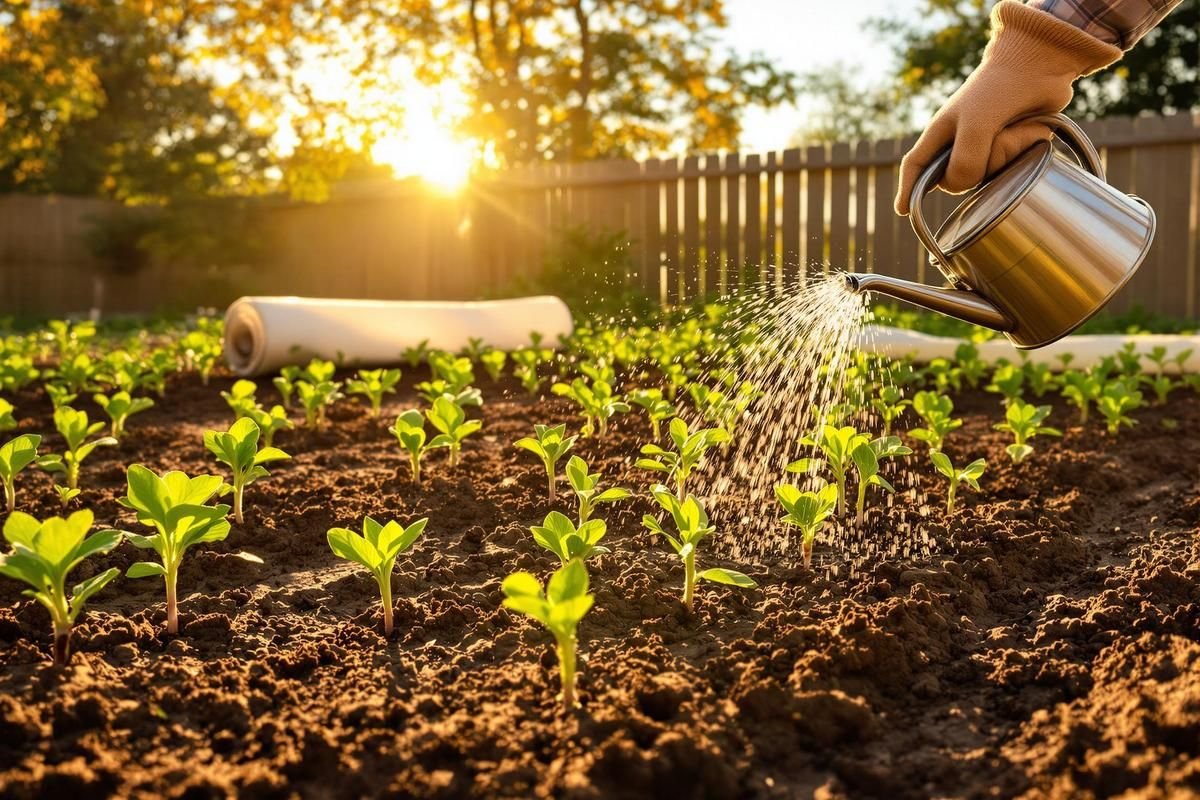

Long before algorithm-driven planting apps and curated garden kits, gardening was guided by something quieter and far more intuitive. Our grandparents paid attention. They watched how sunlight shifted across their yards, how soil felt between their fingers, and how certain plants thrived together while others struggled. It was a form of knowledge built not from instruction manuals but from daily interaction with the land.
This observational approach fostered a deeper relationship with nature. Rather than forcing plants into rigid schedules, they adapted to the environment’s cues. If the soil stayed damp longer after rain, planting would wait. If a particular corner of the garden attracted more pollinators, it became prime space for flowering crops. Today, as more gardeners seek sustainable practices, this slow, attentive method is making a quiet return.
Soil Before Seeds
For earlier generations, the garden did not begin with seeds. It began with soil. Composting was not a trend but a necessity, with kitchen scraps, ash, and organic waste regularly returned to the earth. This continuous cycle enriched the soil, ensuring it remained fertile year after year without reliance on synthetic inputs.
Modern gardening often skips this foundational step, favoring quick solutions that promise faster growth. Yet many are rediscovering that healthy soil is the true engine of a thriving garden. When the soil is alive with nutrients and microorganisms, plants naturally become more resilient. The lesson is simple but often overlooked: investing time in the soil yields results that no shortcut can replicate.
Companion Planting and Natural Balance
Another forgotten practice lies in how plants were arranged. Gardens were rarely uniform rows of a single crop. Instead, they were carefully mixed ecosystems. Tomatoes might grow alongside basil, while marigolds bordered vegetable beds to deter pests. These combinations were not random but passed down through generations as practical wisdom.
This approach reduced the need for chemical interventions. By encouraging biodiversity, gardens maintained a natural balance where pests were less likely to dominate. Today’s renewed interest in companion planting reflects a broader shift toward ecological awareness. It highlights how older methods often aligned more closely with nature’s systems than many modern techniques.
Patience as a Gardening Tool
Perhaps the most striking difference between past and present gardening lies in pace. Our grandparents understood that growth could not be rushed. They allowed seasons to unfold naturally, accepting that not every harvest would be perfect or predictable. Gardening was less about control and more about partnership with the environment.
In contrast, contemporary culture often expects immediate results, even in the garden. Quick-growing varieties and instant solutions dominate the market. Yet those who return to slower methods often find a deeper satisfaction. Waiting for a crop to mature, tending it daily, and accepting its natural timeline transforms gardening from a task into a ritual.
A Return to Meaningful Cultivation
What makes these older practices resonate today is not just their effectiveness but their philosophy. Gardening was once an extension of daily life, tied to sustenance, patience, and care. It was less about aesthetics or productivity metrics and more about connection to something enduring.
As urban dwellers plant herbs on balconies and suburban homeowners convert lawns into edible landscapes, there is a subtle shift underway. People are not just growing food; they are reclaiming a slower, more intentional way of living. In doing so, they are rediscovering that the so-called secrets of the past were never really lost. They were simply waiting to be remembered.