
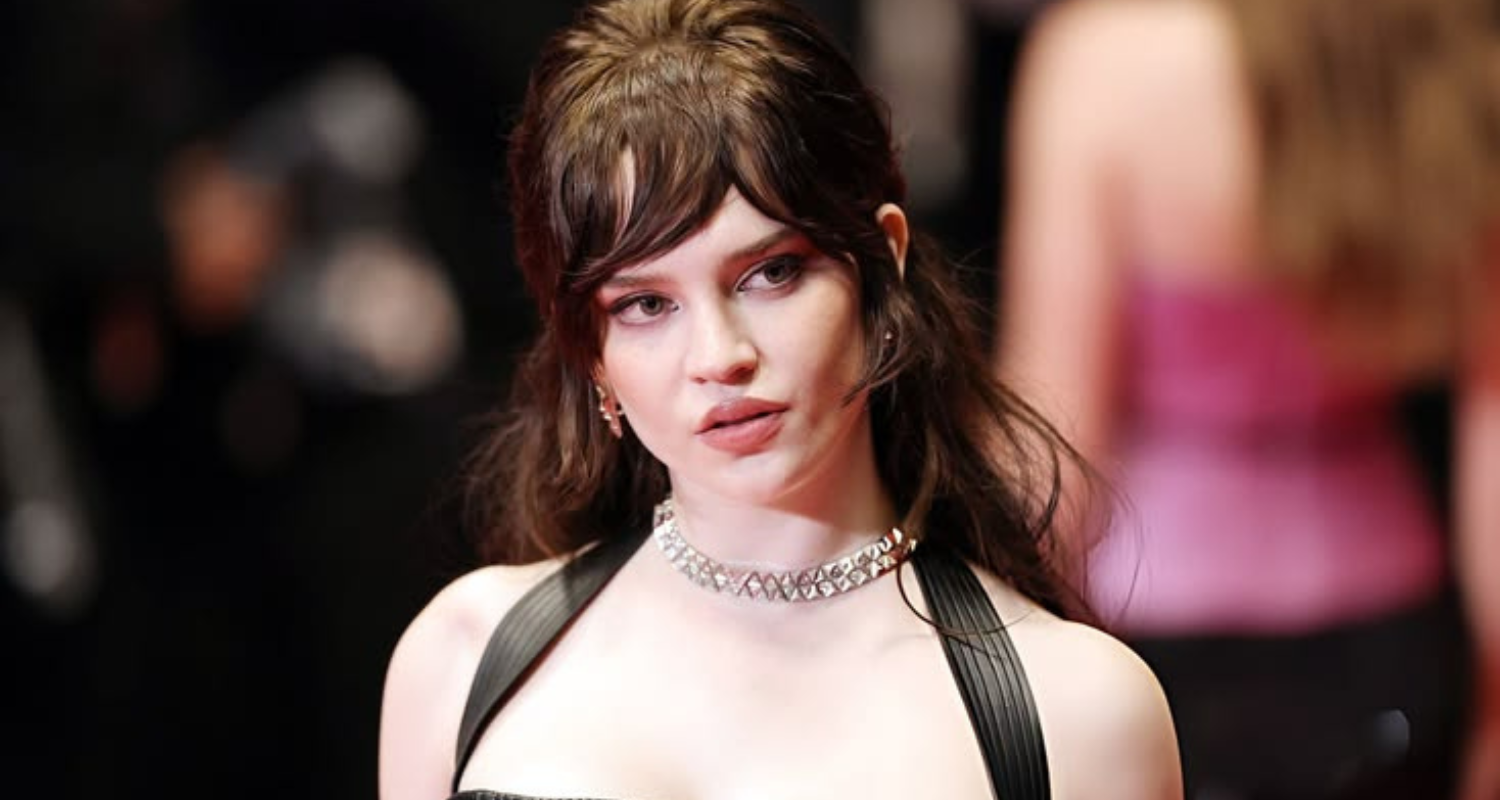

Sophie Thatcher has not arrived in Hollywood with the force of a traditional blockbuster debut. Her rise has been quieter, stranger and ultimately more compelling: a steady accumulation of performances that linger well beyond the closing credits. In an industry often eager to label its next generation of stars before they have found their rhythm, Thatcher has built hers through sharp choices, emotional precision and an instinct for characters who refuse to be easily understood.
That is why her name is increasingly surfacing in conversations about the most exciting young actors working today. Whether she is navigating terror, grief, desire or the uneasy space between adolescence and adulthood, Thatcher brings an intelligence to the screen that makes even genre material feel intimate.
A Career Built on Uncertainty
Thatcher first drew widespread attention as Natalie Scatorccio in Yellowjackets, the survival drama that turned a plane crash in the wilderness into a gripping study of trauma, loyalty and the long shadow of adolescence. Playing the younger version of a character shaped by violence and loss, Thatcher had the difficult task of creating a believable foundation for an older counterpart while still making Natalie wholly her own.
She did so by resisting easy signals. Her Natalie was guarded but never hollow, rebellious but never reduced to attitude. Beneath the leather jackets and carefully calibrated defiance was a young woman attempting to preserve a sense of self while the world around her became increasingly unrecognizable. Thatcher understood that the character’s toughness was not armor alone; it was also a plea not to be abandoned.
That ability to make emotional ambiguity feel natural has become central to her appeal. Audiences may meet her characters in heightened circumstances, but they recognize the smaller truths beneath them: the defensive joke, the withheld confession, the momentary look that reveals what dialogue cannot.
Horror as a Showcase for Range
Genre films have historically offered actors a remarkable proving ground, especially performers willing to take emotional risks. Thatcher has embraced that space without treating it as a detour from more “serious” work. Instead, she has used horror and psychological thrillers to demonstrate how fear can expose character more effectively than explanation ever could.
In The Boogeyman, she portrayed a teenager confronting both a supernatural threat and a family fractured by grief. The film asked her to carry scenes of dread while grounding them in the emotional reality of a daughter who feels unseen by the adults meant to protect her. Thatcher’s performance made the fear feel less like an external spectacle and more like an extension of private sorrow.
Then came Heretic, a darker, more cerebral project that placed her opposite veteran actor Hugh Grant. Rather than simply serving as a target of danger, Thatcher’s character enters the story with conviction, curiosity and a growing awareness of the power games unfolding around her. Her work in the film further established a quality that has become difficult to ignore: she can hold the frame beside established stars without overplaying her hand.
The Power of a Distinct Screen Presence
There is a particular kind of performer audiences remember even when a film or series gives them limited time. Thatcher belongs to that category. Her presence is not based on grand gestures or constant intensity. It comes from specificity: the timing of a pause, the flicker of doubt behind a composed expression, the feeling that her characters have a life continuing outside the scene.
That restraint makes her especially effective in stories about young people facing extraordinary circumstances. She does not present youth as innocence or naïveté. Instead, she captures its contradictions. Her characters can be impulsive and perceptive, vulnerable and calculating, desperate for connection while suspicious of anyone who offers it.
For viewers, this creates a powerful sense of identification. Thatcher’s performances do not ask audiences to admire a polished image of a young woman overcoming adversity. They invite viewers into the messier process of someone trying to understand who she is while events keep demanding that she become someone else.
A Star Who Chooses the Unpredictable
The most interesting part of Thatcher’s trajectory may be what it suggests about the kind of career she is building. At a moment when emerging actors can be quickly absorbed into franchises or polished into familiar archetypes, she has gravitated toward material with edges. Her projects tend to feature moral uncertainty, psychological tension and women whose interior lives are as important as the plot surrounding them.
That does not mean her future is limited to darker work. On the contrary, the range she has shown points toward broad possibilities, from prestige dramas and independent films to larger studio roles that demand both emotional weight and audience appeal. What distinguishes her is that she already appears to understand the value of unpredictability. She is not merely collecting credits; she is developing a point of view.
Hollywood’s newest stars are often defined by a single breakthrough moment. Sophie Thatcher’s ascent feels different because it has been built through accumulation. One performance led audiences to the next, and each role added another dimension to an actor who seems increasingly capable of surprising them.
The conversation around Thatcher is growing not because she has been declared a star, but because she has given viewers a reason to keep watching.