
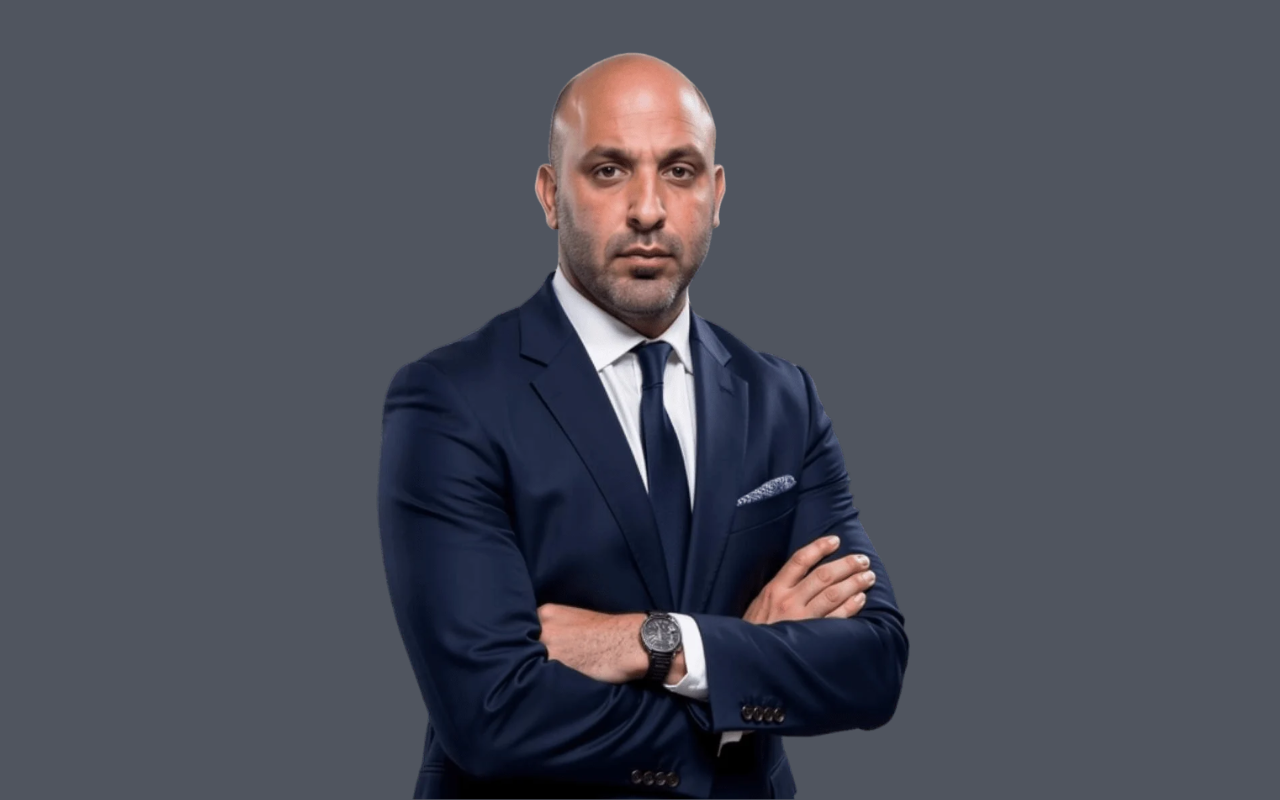

Running immigration and personal injury work out of the same Dallas–Fort Worth office produces a particular education. The two practices look unrelated. In the lives of the people who need both, they are the same problem arriving from two directions.
Michael Piri founded The Piri Law Firm around that overlap. Five things he says the combination taught him.
None is a legal insight in the technical sense. They are observations about where cases actually get decided, which is usually earlier and further from a courtroom than clients expect.
1. A criminal plea is an immigration document.
The plea is where the two systems meet, and it is close to irreversible. A defence lawyer optimising for time served can produce a conviction that is a removable offence, and neither lawyer necessarily finds out until years later. The Supreme Court settled in 2010 that defence counsel has to advise a non-citizen client about the deportation consequences of a plea. Knowing that a duty exists is not the same as the advice being any good.
In practice the advice is often one sentence delivered in a hallway before a plea hearing, by a lawyer carrying a heavy docket who is not an immigration specialist and is not pretending to be.
2. The goal the client states is rarely the goal they have.
“Stay in the country” is a headline, not an instruction. Underneath it there is usually something concrete and more useful: authorisation to work, a custody arrangement that survives, the ability to leave for a funeral and come back. Those point at different filings in a different order.
3. Language is part of the legal work, not a courtesy at reception.
Piri practises in English, Spanish and French. The facts that decide a case are frequently the ones a client is least willing to say out loud: an old arrest, a guessed entry date, a marriage that is not what the paperwork suggests. Those do not come out through a relative acting as interpreter, and they do not come out on the second visit either. They come out once, in the first conversation, or not at all.
The cost of getting this wrong is not a slower case. It is a case built on a version of events the client will have to contradict later, in writing, under oath.
4. Evidence in an injury case is destroyed by fear, not by time.
An injured client without status often skips the ambulance, avoids the police report and waits three weeks before seeing a doctor. The claim survives all of that. The proof does not. The insurer then argues the injury cannot have come from the collision, and the argument works, because the file is empty for the first month.
5. Speed and patience are both strategies, and choosing wrong is expensive.
Some things have to move immediately. A detention. A bond hearing. A statute of limitations. Others should not move at all until the file is ready, because an application filed early can surface a client to an agency that had no reason to look at them. The firm’s published outcomes include work authorisation granted in under a month and a Dallas County DWI dismissed after two months. Neither happened because somebody was in a hurry in general.
“Knowing which of the two a case needs is most of the job. Getting it backwards is how good facts lose.”
Piri read International Politics and International Law at the American University of Paris, interned at the International Court of Arbitration and took his law degree at Saint Mary’s University School of Law in San Antonio. The Piri Law Firm covers immigration, crimmigration, criminal defence, personal injury and family law across Dallas, Fort Worth and the surrounding North Texas cities, with a free 30-minute consultation.