
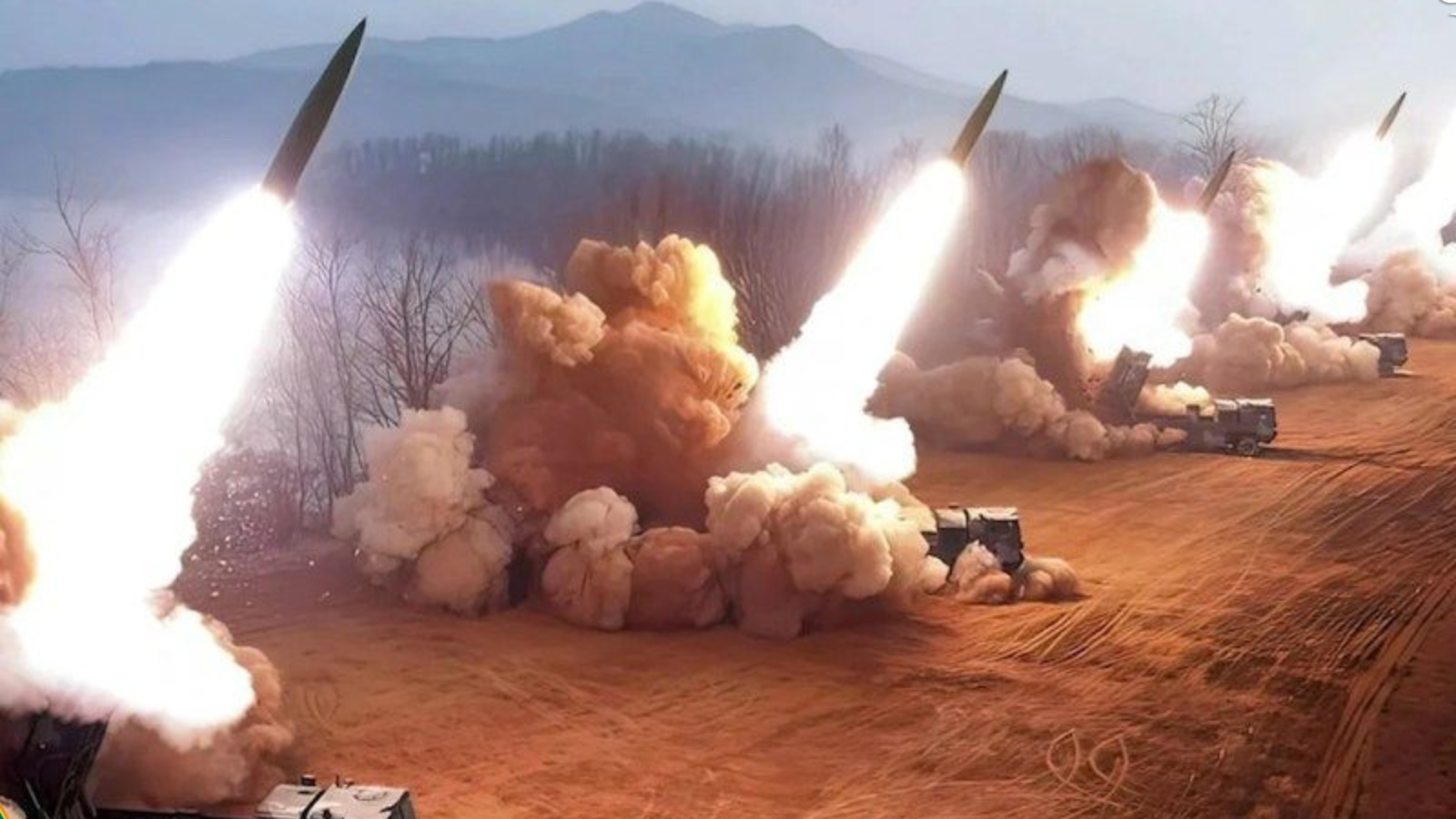


As the war in Ukraine enters another grinding phase, the United Kingdom is moving with urgency to reshape its military assistance. At the center of this effort is a new ballistic missile initiative, informally known as “Nightfall,” designed to enhance Ukraine’s long-range strike capability. The project reflects a broader shift among Western allies, who are increasingly focused on providing advanced systems rather than solely defensive aid.
British defense officials have framed the development as both strategic and symbolic. It signals a deeper commitment to Ukraine’s long-term resilience while also reinforcing the UK’s position as a leading security partner in Europe. The timing is notable, arriving amid intensified Russian offensives and growing pressure on Kyiv’s infrastructure and supply lines.
The initiative is not occurring in isolation. It builds on months of coordination between defense agencies, private contractors, and allied governments. The goal is to deliver a system that is both rapidly deployable and adaptable to Ukraine’s evolving battlefield needs.
Engineering Speed and Precision
Unlike traditional weapons development cycles, which can stretch over several years, the Nightfall project is being fast-tracked. British engineers and defense firms are working under compressed timelines, prioritizing modular design and scalable production. This approach allows for quicker adjustments based on real-time intelligence from the front lines.
Sources familiar with the program suggest that the missile is being designed with a focus on precision targeting and survivability. These features are intended to counter increasingly sophisticated Russian air defense systems. While technical specifications remain closely guarded, analysts believe the system could significantly extend Ukraine’s operational reach.
The accelerated pace also raises questions about sustainability and oversight. Defense experts note that rapid development can introduce risks, particularly in testing and integration phases. However, officials argue that the urgency of the conflict necessitates a different calculus, where speed can be as critical as perfection.
Strategic Implications for the Conflict
The introduction of a new ballistic capability has the potential to alter the dynamics of the war. For Ukraine, it represents an opportunity to strike deeper into contested territories, potentially disrupting supply chains and command centers. This could shift the balance in regions where conventional artillery has reached its limits.
For Russia, the development is likely to be viewed as an escalation. Moscow has repeatedly warned against the transfer of advanced Western weapons to Ukraine, framing such actions as direct involvement in the conflict. The Nightfall project may intensify these tensions, particularly if deployed systems demonstrate significant effectiveness.
At the same time, the move underscores a broader trend in modern warfare. The emphasis is increasingly on precision, mobility, and technological integration rather than sheer volume of firepower. In this context, the UK’s initiative can be seen as part of a larger effort to redefine how support is delivered in prolonged conflicts.
The Human and Political Dimension
Beyond the technical and strategic considerations, the Nightfall project carries significant political weight. For the British government, it represents a tangible demonstration of leadership at a time when global alliances are under strain. It also reflects domestic pressures to maintain a strong stance on international security.
In Ukraine, the development is likely to be received as both a boost to morale and a reminder of the war’s enduring challenges. Each new system brings hope for progress, but also underscores the scale of the effort required to achieve lasting stability. Civilians and soldiers alike continue to navigate a landscape defined by uncertainty and resilience.
The story of Nightfall is ultimately one of adaptation. It illustrates how nations respond to shifting realities, balancing urgency with ambition. As the conflict continues, such initiatives will play a crucial role in shaping not only the outcome of the war, but also the future of international military cooperation.