
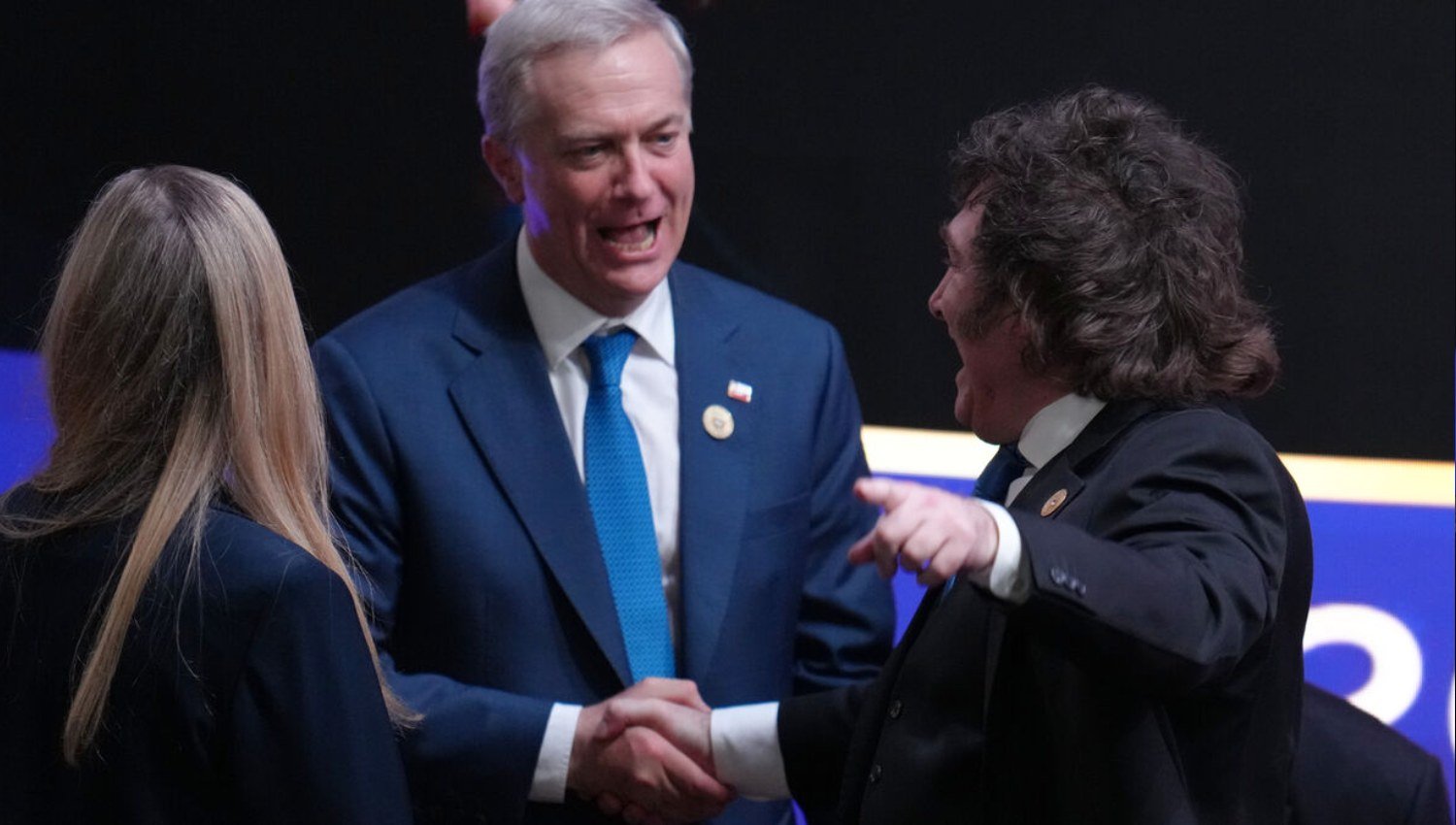

Chile’s right-wing leader Jose Antonio Kast came to power promising an iron fist against criminals. A new proposal for far-reaching emergency powers, however, is drawing criticism even from within his own ranks, turning what was meant to be a signature policy into a test of how far the country is prepared to go in the name of security.
Like several other recently inaugurated right-wing presidents in Latin America, Kast has drawn inspiration from El Salvador’s authoritarian leader Nayib Bukele in the fight against organized crime. His government recently publicized its own images of nearly 300 high-risk prisoners being moved to a large new prison. “We are sending a clear message to criminals that things have changed,” Kast said, adding a warning that the state would hunt offenders down.
After supporters complained that the pace of reform since the government took office in March had not matched the campaign rhetoric, Kast tried to accelerate. In early August, a legislative package was presented that would expand the state’s powers in crime prevention.
The measures include the permanent deployment of police in certain areas, tougher penalties for gang membership, and fewer restrictions on the use of force by police. They also include a constitutional change that would let the president declare a state of emergency for up to eight months without seeking support from Congress. Several experts condemned the proposal as both unnecessarily far-reaching and a threat, in a country still living with the memory of Augusto Pinochet’s violent dictatorship from 1973 to 1990.
The plan has divided the government’s own supporting parties, several of which are requesting changes. Luciano Cruz-Coke, leader of the center-right Evopolis party, questioned “the false assumption that people are prepared to sacrifice everything for security,” a line that captures the unease among Kast’s would-be allies.
Kast has dismissed criticism that he is steering the country in an “illiberal” direction, while leaving room to negotiate. He signaled openness to adjusting elements such as the timeframe for the state of emergency, saying in an interview that it “can be modified, if that’s the problem.” The concession suggests that the fight over how to confront crime in Chile may ultimately be settled less by the opposition than by the president’s own coalition.