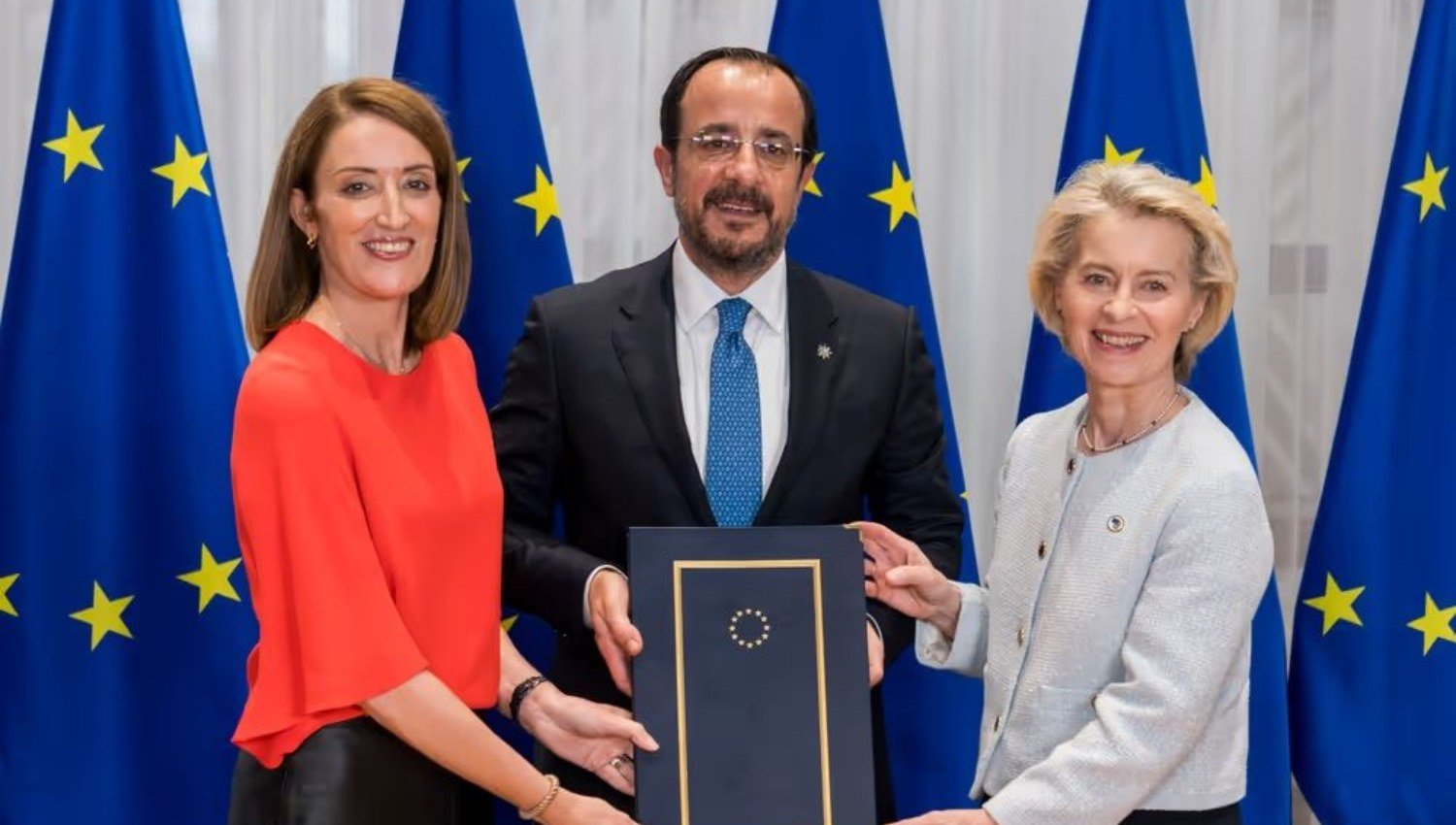

In June 2026, the Council of Europe, the European Commission and the European Parliament signed their first joint declaration on culture, under the title Europe for Culture-Culture for Europe. Four months later, Europe’s cultural sector is asking whether that commitment will be reflected in the money. More than 200 organisations have signed an open letter, promoted by Culture Action Europe, urging the Council to reverse proposed cuts to the Creative Europe programme in the draft 2027 budget.
The declaration describes culture as a foundation of European democracy and identity, and as a strategic resource for resilience, security and competitiveness. Its first principle is freedom of artistic expression, with pledges to protect artists from censorship and intimidation and to safeguard the independence of cultural institutions. It also covers fair pay for artists, rules on AI that protect human creators and intellectual property, and transparency for AI-generated content. Cineuropa points out that it is “a political commitment, not a budgetary document”.
The budget figures are where the tension lies. The Council’s position would cut Creative Europe by €31.6 million in commitments and €10.53 million in payments compared with the Commission’s proposal. The MEDIA strand, which supports film and audiovisual work, would lose €23.2 million, the Culture strand €7.8 million and the cross-sectoral strand €0.6 million. It is the fourth time in seven years that the sector has asked the Council to reject cuts to the programme. The European Parliament’s culture committee has instead proposed an extra €15 million to deal with chronic oversubscription.
The timing raises the stakes. 2027 is the final year of both the current multiannual financial framework and the current Creative Europe programme, while negotiations on its successor, AgoraEU, continue. A separate petition launched by German MEP Nela Riehl, who chairs the Parliament’s culture committee, calls for a Cultural Freedom Act modelled on the European Media Freedom Act. It proposes an independent funding guarantee, legal protection for artists and independent venues, and an early-warning system for political interference.
For European film, the MEDIA cut is the figure to watch, since it is the largest single reduction in the Council’s plan. Signatories want the Irish Presidency and member states to restore the Commission’s original proposal. The coming negotiations will show how far the institutions are willing to fund the priorities they set out in June, and whether the sector’s fourth appeal in seven years gets a different answer from the previous three.