
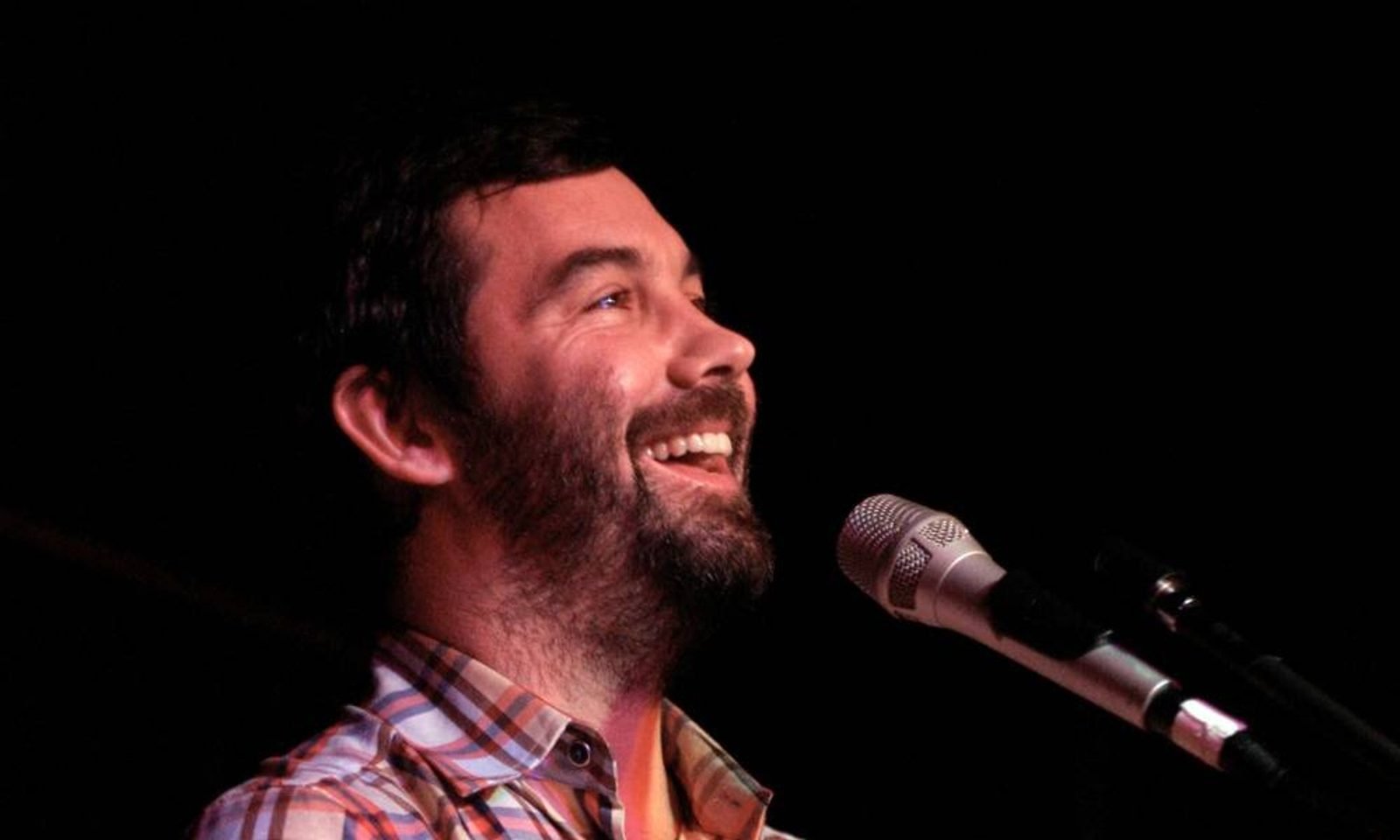

Duncan Sheik, the singer-songwriter who reached the pop charts with “Barely Breathing” and later won two Tony Awards for the musical “Spring Awakening,” died on Sept. 17, 2026, in Manhattan. He was 56. The cause was cardiac arrest, according to his family, which had disclosed days earlier that he was hospitalized in critical but stable condition.
Sheik broke through in 1996 with “Barely Breathing,” a mid-tempo single that became a fixture on pop radio and earned a Grammy nomination. His self-titled debut album went gold, and the song lingered on the charts for well over a year, an unusually long run for a single at the time. It kept him in steady rotation on adult alternative radio for years afterward and remained the song most listeners associated with his name.
He found a second act in theater. His score for “Spring Awakening,” a rock musical adapted from a 19th-century German play, won Tony Awards for best original score and best orchestrations when the show reached Broadway in 2007. The production, which paired contemporary songs with a period story, helped launch the careers of several young performers who went on to film and television.
Sheik kept writing for the stage in the years that followed. He composed music and lyrics for a musical adaptation of “American Psycho,” which drew an Outer Critics Circle nomination for its score, and he worked on stage versions of “The Secret Life of Bees” and “Because of Winn-Dixie.” He also released nine studio albums across his career and wrote film scores, including work for “A Home at the End of the World” and “Through the Fire,” moving between recording and composing for much of his life.
“The world has lost a singular talent, and deeply influential voice in music and theater,” his family said in a statement. The family had announced his hospitalization earlier that week, when he was listed in critical but stable condition. Sheik is survived by his wife, Nora Ariffin, and their daughter, Ines. His blend of introspective pop songwriting and theatrical composition set him apart among artists of his generation, and his Broadway work in particular changed how rock music could carry a stage story.