

Green hydrogen was meant to clean up the corners of the economy that electricity cannot easily reach, from steel furnaces to fertiliser plants to the engines of long-haul ships. In 2026, the industry is learning how wide the gap can be between a climate ambition and a signed order book.
By the middle of the year, developers had publicly abandoned around 50 clean-hydrogen projects, and analysts believe the true figure is higher. One company dismantled plants it had built in Australia and the United States and handed back millions in government grants. Executives keep pointing to the same two culprits: the cost of making the fuel, and the near-total absence of customers willing to sign the long contracts that would justify building anything.
The output figures are sobering. Global production of green hydrogen is on course to reach roughly 1.8 million tonnes this year, less than two percent of the hydrogen the world already consumes, almost all of which is still made from fossil gas. Even friendlier forecasts for 2030 hover around 5.5 million tonnes, well short of the 25 million that governments had targeted between them.
Public money is pulling back too. Governments earmarked about 222 billion dollars for blue and green hydrogen in 2025, down roughly a fifth on the previous year, with much of the retreat traced to Washington. American support fell from around 90 billion dollars to 28 billion after new legislation trimmed subsidies and pushed the deadline to start construction out to the end of 2027.
Where funding survives, it is changing colour. Tax credits for capturing carbon dioxide have quietly improved the economics of “blue” hydrogen, made from natural gas with its emissions buried underground. Some analysts now expect more than nine in ten tonnes of clean hydrogen produced by 2030 to be blue rather than green.
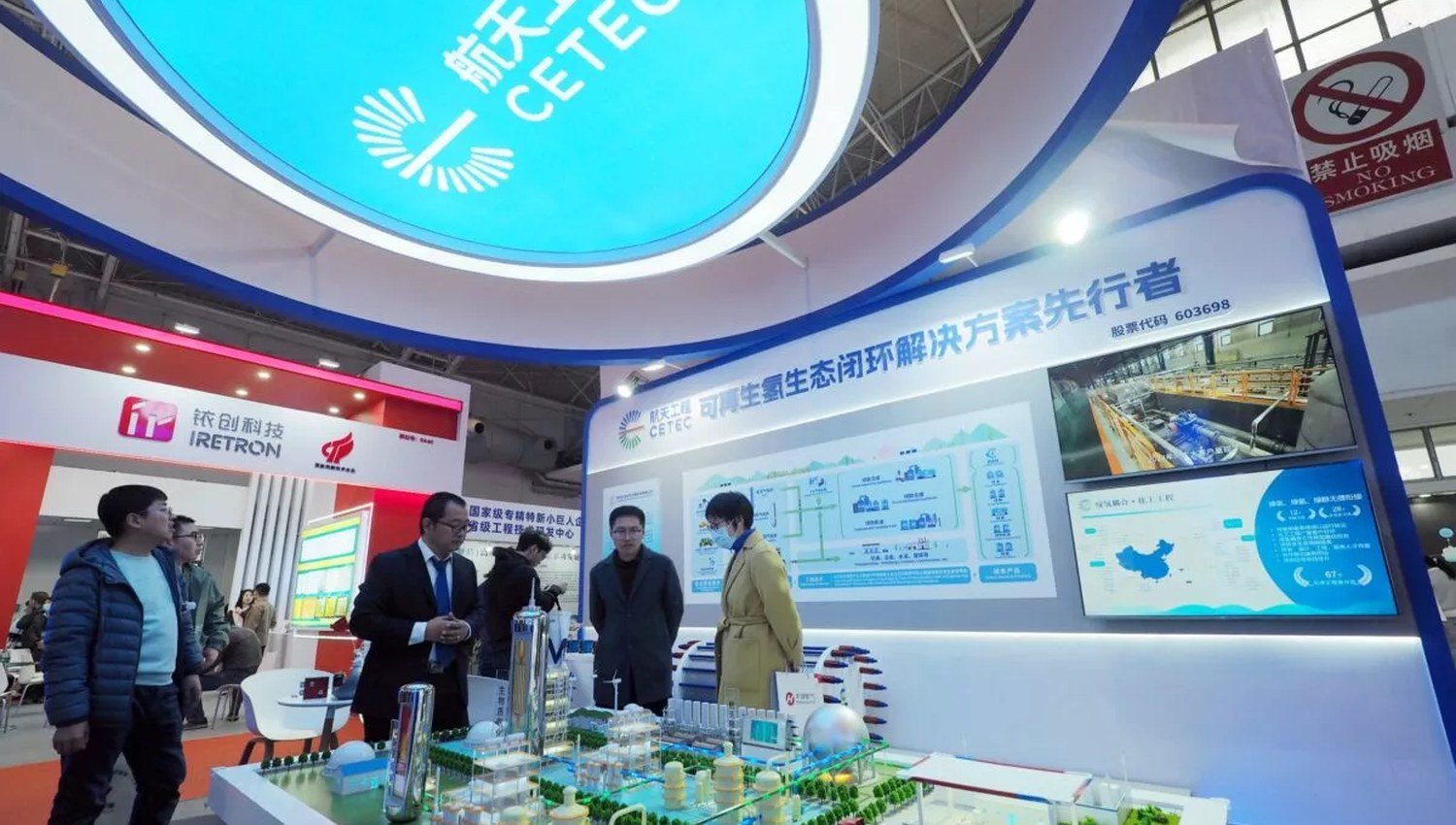
The one place the enthusiasm has not faded is China, which folded hydrogen into its latest five-year plan and is turning out electrolysers at about a quarter of Western prices. If the past decade of solar panels and batteries is any guide, the real question may not be whether green hydrogen eventually scales, but whose factories are standing when it does.