
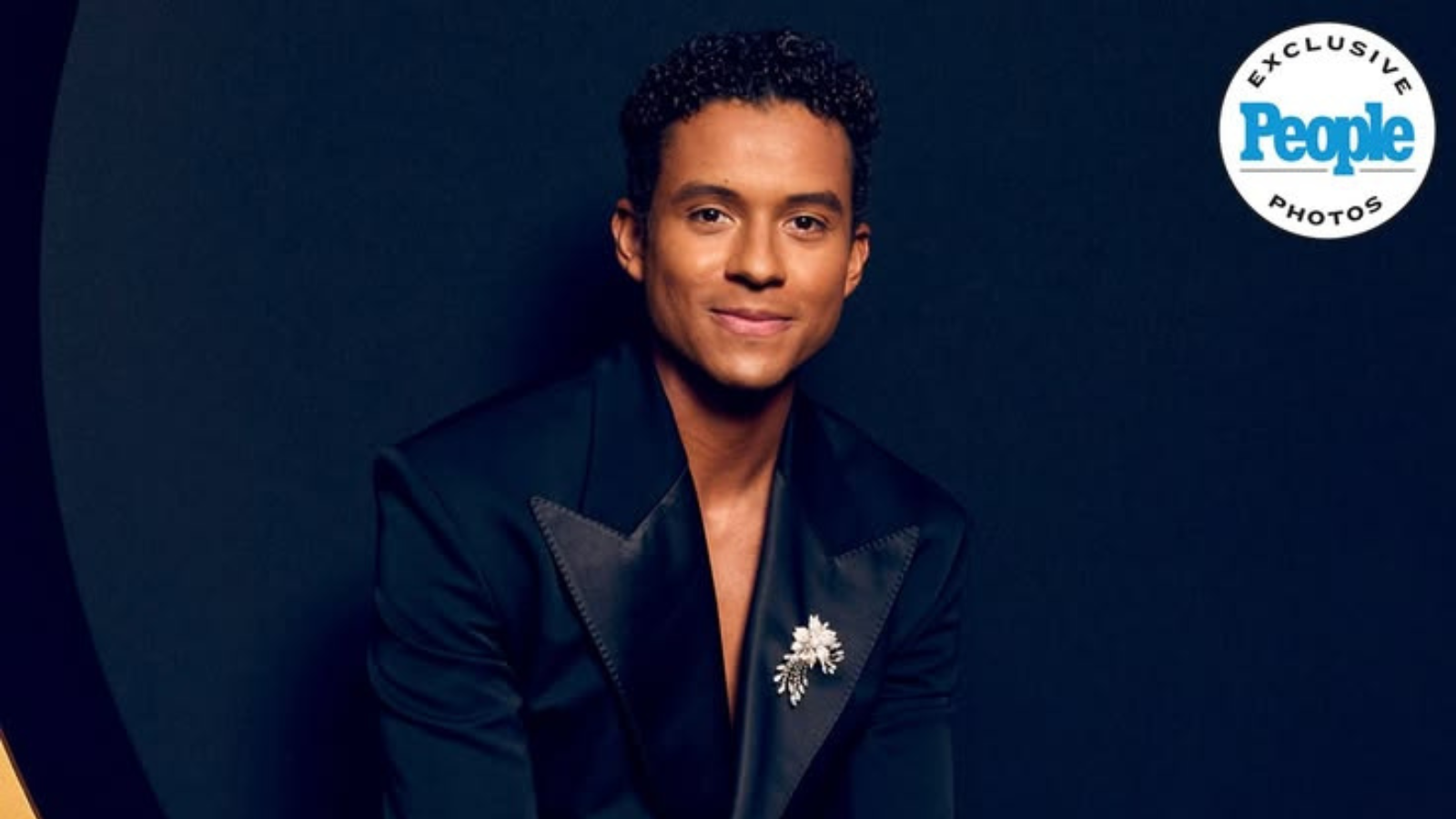

As anticipation builds around Michael, the upcoming biographical film centered on the life of pop icon Michael Jackson, an unexpected voice has reignited public debate. Dan Reed, the director behind the polarizing documentary Leaving Neverland, recently shared his thoughts on Jaafar Jackson’s portrayal of his late uncle, sparking renewed scrutiny of a project already walking a delicate cultural line.
Reed, whose 2019 documentary cast a long shadow over Jackson’s legacy, did not hold back in his critique. While acknowledging the technical ambition of the production, he questioned whether any performance, including Jaafar Jackson’s, could truly capture the complexities of a figure as mythologized and contested as Michael Jackson. His comments quickly circulated across entertainment media, adding another layer of tension to a film already under intense public watch.
The timing of Reed’s remarks is notable. With the film nearing release and promotional campaigns gaining momentum, the conversation surrounding Jackson’s legacy appears far from settled. Reed’s critique does not simply target a performance. It underscores a broader cultural hesitation about how, or whether, certain legacies should be revisited on screen.
The Weight of Legacy on a Newcomer
For Jaafar Jackson, stepping into the role of one of the most recognizable figures in modern history is both a career-defining opportunity and an immense burden. Early footage and behind-the-scenes glimpses have drawn praise for his physical resemblance and dedication to replicating Jackson’s signature movements. Yet Reed’s skepticism highlights a deeper challenge that extends beyond mimicry.
Portraying Michael Jackson is not merely an exercise in performance. It involves navigating a legacy layered with groundbreaking artistry, global adoration, and deeply divisive allegations. Reed’s comments suggest that even the most committed portrayal risks oversimplification, particularly in a cinematic format that often leans toward narrative cohesion over ambiguity.
Industry insiders, however, have been quick to defend Jaafar Jackson’s efforts. Director Antoine Fuqua and producer Graham King have emphasized the film’s commitment to authenticity, noting extensive research and collaboration with those who knew Jackson personally. For them, the film represents an attempt to humanize rather than canonize, offering audiences a more nuanced portrait of the artist behind the icon.
Biopics in the Era of Cultural Reassessment
The debate surrounding Michael reflects a broader shift in how audiences engage with biographical storytelling. In recent years, biopics have evolved from celebratory narratives into more complex explorations of their subjects’ lives, often grappling with uncomfortable truths alongside achievements. This evolution has raised expectations for both accuracy and accountability.
Reed’s critique taps into this changing landscape. His perspective challenges filmmakers to consider whether traditional biopic frameworks are equipped to handle figures whose legacies remain actively contested. In the case of Michael Jackson, whose cultural impact is undeniable yet inseparable from controversy, the stakes are particularly high.
At the same time, audiences continue to demonstrate a strong appetite for stories about influential figures. Films like Bohemian Rhapsody and Elvis have achieved both commercial success and critical attention, suggesting that viewers are willing to engage with complex legacies when presented thoughtfully. The question facing Michael is whether it can strike that delicate balance between reverence and reflection.
Anticipation Meets Uncertainty
Despite the controversy, Michael remains one of the most anticipated film releases in recent years. Its scale, subject matter, and casting choices position it as a major cultural event, one that is likely to generate significant discussion regardless of critical reception. Reed’s comments, while divisive, have arguably amplified that anticipation rather than diminished it.
For audiences, the film represents an opportunity to revisit a figure whose influence continues to shape music, fashion, and global pop culture. For critics, it presents a test case in how Hollywood navigates storytelling in an era increasingly defined by accountability and nuance. And for Jaafar Jackson, it marks the beginning of a career that will inevitably be measured against one of the most towering legacies in entertainment history.
Whether Reed’s concerns will resonate with viewers remains to be seen. What is certain is that Michael will not enter the cultural conversation quietly. Instead, it arrives as a film poised at the intersection of admiration, controversy, and ongoing debate, a reflection of the enduring complexity of its subject.