
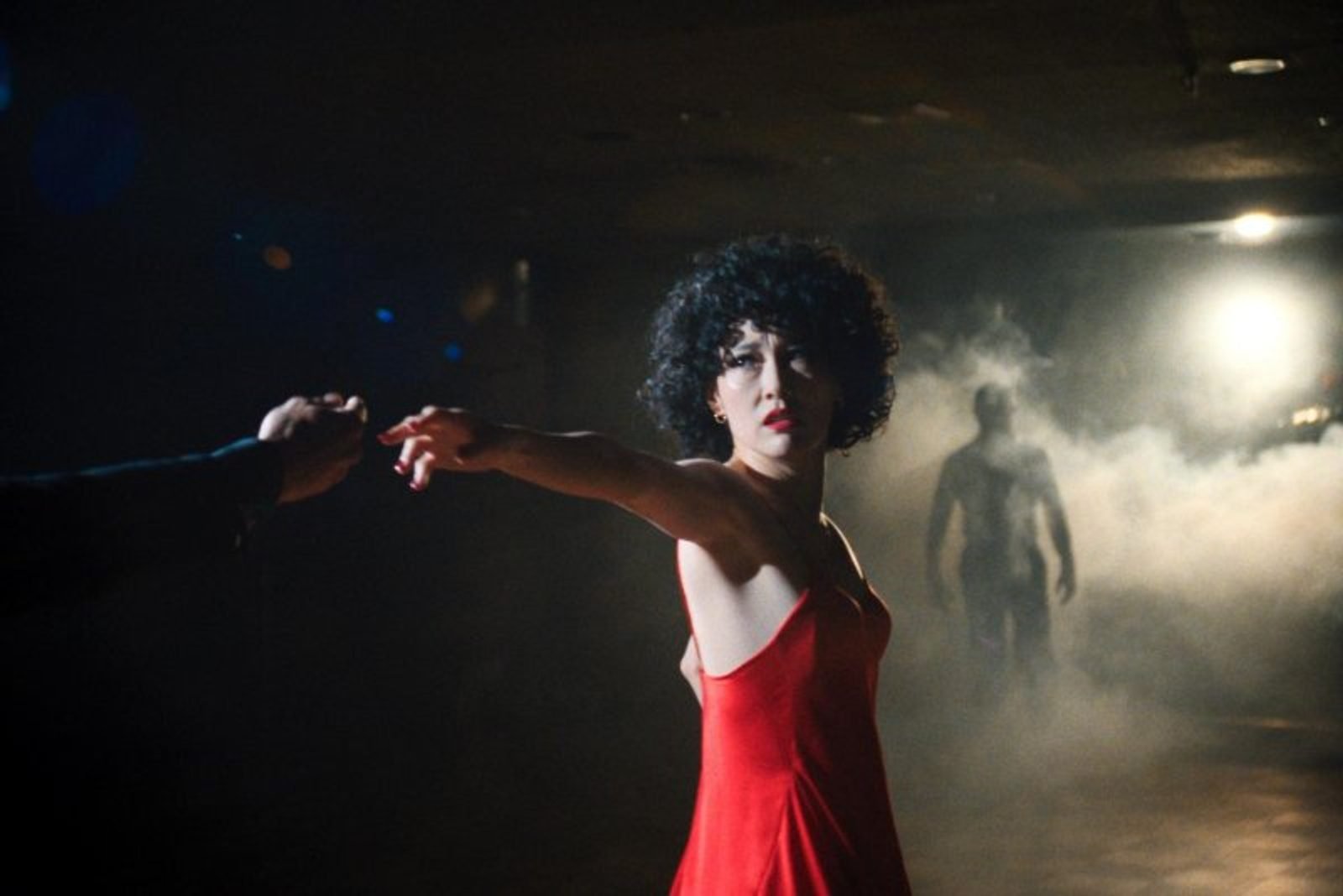

Rinko Kikuchi leads “Ha-Chan, Shake Your Booty,” a drama that Sony Pictures Classics released September 27 and that follows a grieving woman who rediscovers herself through dance. Directed by Josef Kubota Wladyka, the film casts Kikuchi as Haru and moves between sorrow and reinvention as its central figure learns to lean on the people around her. Kikuchi, 45, spoke about the project in an interview timed to the release.
Kikuchi described the film as a study of connection rather than solitary mourning. “You need other people. It’s about learning life lessons through other people,” she said. She was careful to note that the story does not stay in a single register. “It’s not just about grieving throughout or being sad and dour. There’s a lot of fantasy and bright moments,” she said of the film’s shifts in tone.
Dance carries much of the emotional weight, and Kikuchi singled out a tango sequence as a turning point for Haru. “The tango has so many elements. There’s passion,” she said, adding that the dance also expresses her character’s sadness and the pull she feels toward two men. She called the sequence poetic, describing it as a way for the film to say what dialogue could not.
The production drew on a familiar piece of movie choreography for its finale, adapting the climactic lift from “Dirty Dancing.” Kikuchi said the director had raised safety concerns about the move. “Josef had some safety concerns. I suggested the catch. It’s very iconic so I wanted to push that a little bit,” she said, describing her push to keep the moment in the film.
The lead role returns Kikuchi to the kind of central part that first brought her wide notice. She earned an Academy Award nomination for “Babel” in 2007 and later reached a mass audience as Mako Mori in “Pacific Rim.” The release gave her a lead in an independent production distributed by Sony Pictures Classics, a label with a long record of awards-season titles. With “Ha-Chan, Shake Your Booty,” she anchors a smaller, character-driven film that asks its star to carry grief and comedy in the same performance, often through movement rather than speech.