
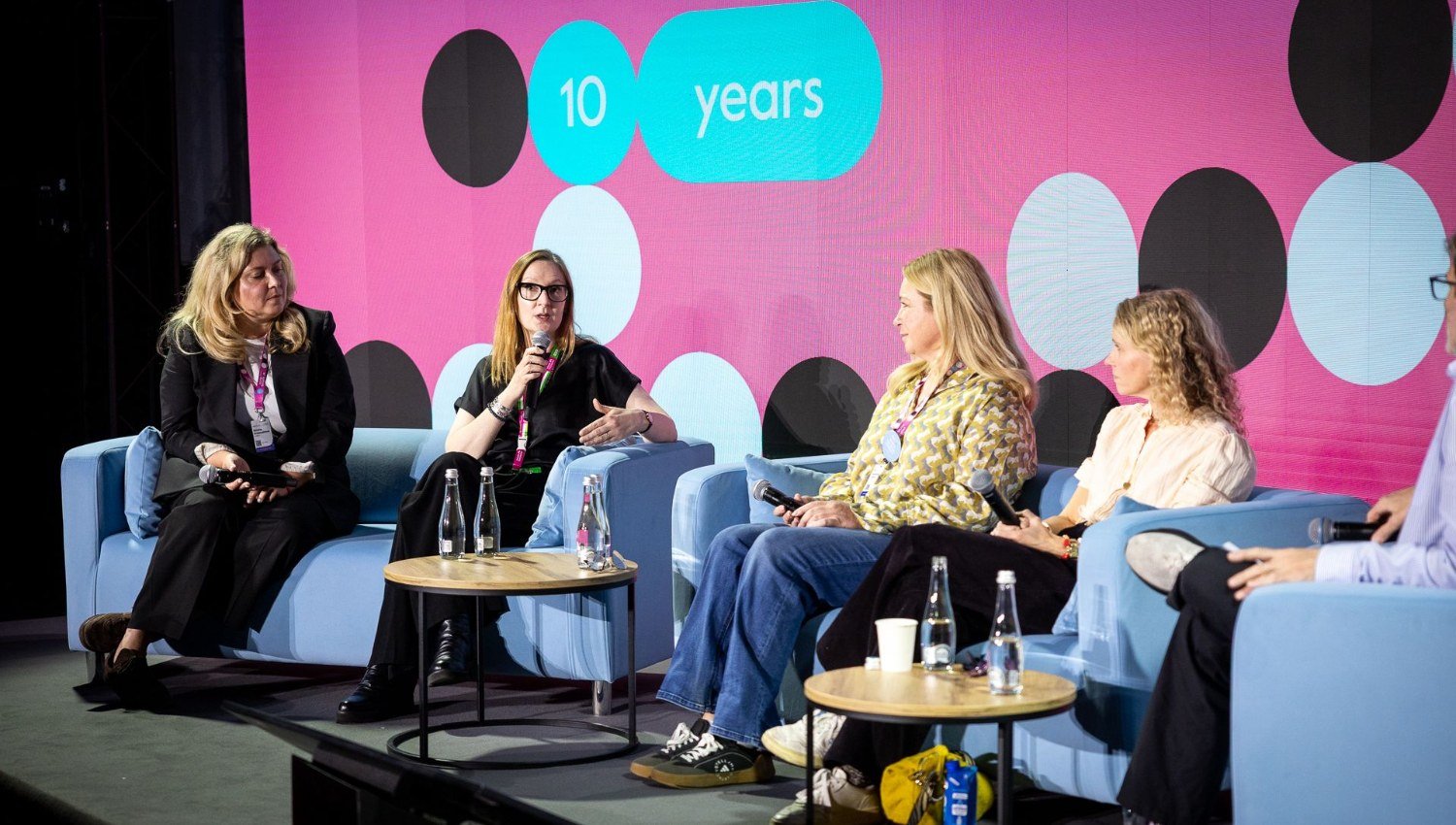

The tenth edition of Young Horizons Industry, held in Poland from 28 to 30 September, focused on one problem facing anyone making film and television for children: how to reach young viewers who no longer gather in one place. The message from the Warsaw event was that the old goal of maximum reach is giving way to something narrower and more demanding.
Keynote speaker David Kleeman, senior vice-president of global trends at Dubit, told delegates that children’s media has moved away from chasing the biggest possible audience. Creators now need to find a specific cohort and become essential to it. The numbers explain why. Ampere Analysis found that users in the US and UK use an average of 11.5 platforms a week, and Gen Alpha uses two or three more than that. These viewers want to take part rather than simply watch, are highly aware of algorithms and AI, and quickly reject anything that feels manipulative.
The panel Building IP with Heart, moderated by Kleeman, showed how producers are responding. Nora Twomey of Ireland’s Cartoon Saloon warned against overthinking audience feedback, which she said can make projects blander, while still stressing the need to stay in touch with viewers. Her studio’s pre-school series Puffin Rock only took off after a children’s book was published, and early testing relied on YouTube clips. Strategic consultant Janine Weigold argued that creators should test ideas and build audiences while a project is still in development.
Two European case studies showed the cohort approach in practice. Simona Krasauskienė of Lithuania’s NJ WORLD described how Nelly Jelly grew from a character in a Lithuanian book into a multi-platform property now expanding internationally. Norway’s Veslemøy Ruud Zwart said her small team built the animated film ViQueens, which reverses Viking tropes by centring strong female characters, with the scale of a global release in mind. Listening to two young girls describe their favourite influencers shaped one of its most efficient campaigns.
Cinemas still have a role. Panellists agreed that the shared experience of a theatre remains a strong way to reach children and their parents, and Krasauskienė described a test screening for Nelly Jelly’s new CGI series that became a joyful communal event, a format now travelling abroad. The overall picture from Warsaw is of an industry adjusting its targets. European producers working with modest budgets are trying to win deep loyalty from specific young audiences rather than compete for the widest possible reach.