
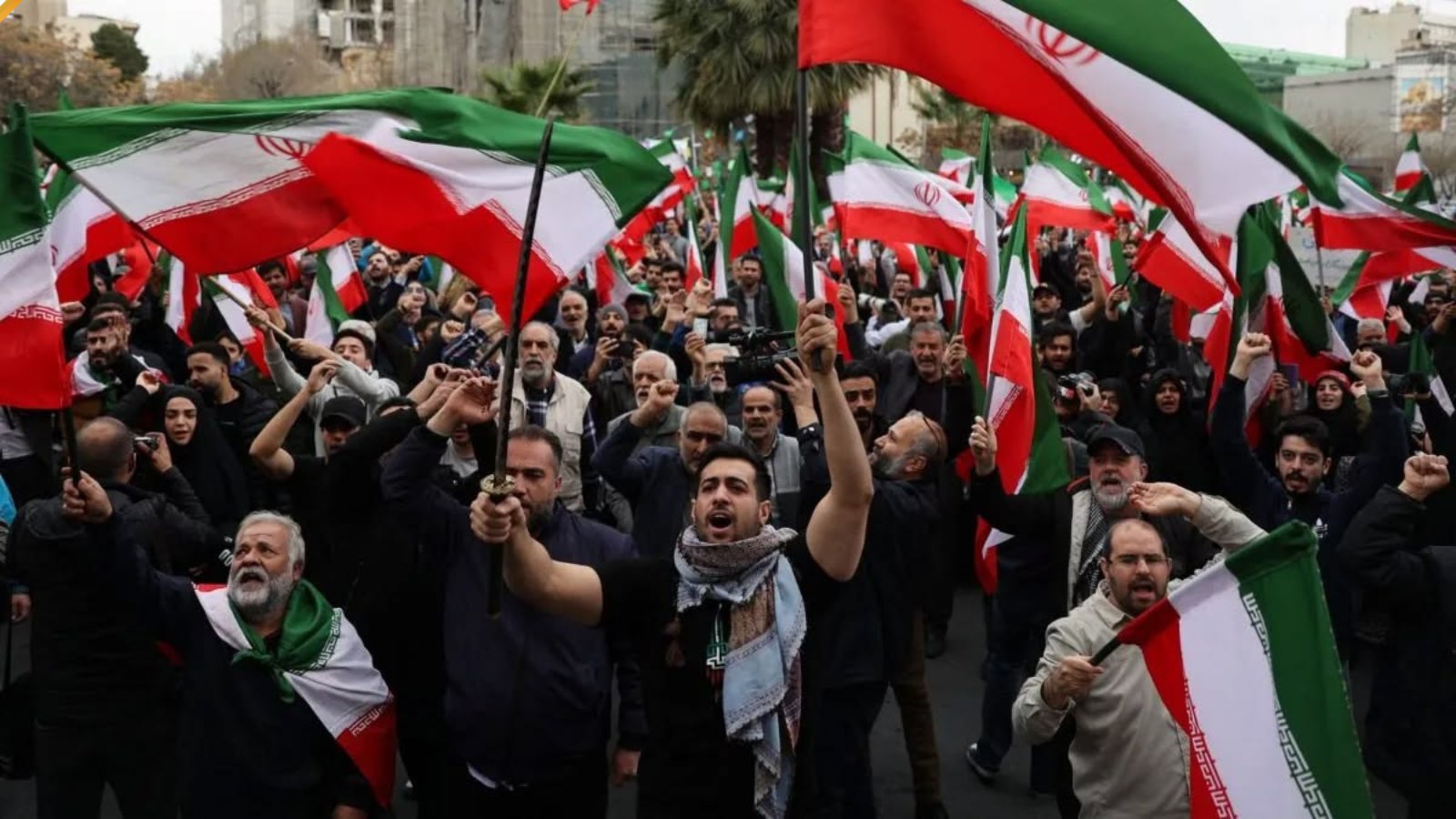

Iran’s street protests have shifted from fleeting flare‑ups to a persistent, image‑driven movement that refuses to fade from the world’s view. From Mahsa Jina Amini’s death in 2022 to the latest nationwide unrest, photos and videos have become the connective tissue of a struggle unfolding in real time.
A New Chapter In A Long Fight
The current wave of dissent did not emerge in a vacuum; it sits on top of years of anger over economic collapse, rigid social controls and political repression. When the “Woman, Life, Freedom” uprising erupted in 2022 after Mahsa Amini died in custody for allegedly violating hijab rules, it crystallized a broader revolt against discrimination and state violence.
Those early images — women burning headscarves, teenagers tearing down portraits of leaders, crowds facing security forces — gave the world a stark visual grammar of defiance. Even as the government unleashed a brutal crackdown, killing and detaining thousands, the visuals kept circulating, turning local acts of dissent into global symbols.
What followed was not a clean rise and fall but a pattern: waves of unrest, partial quiet, then renewed demonstrations as new economic shocks and political crises hit. Each cycle layered fresh pictures and videos onto the collective memory, making it harder for authorities to rewrite the narrative of what had happened in Iran’s streets.
From Bazaar Strikes To Nationwide Uprising
In late 2025, anger over inflation, unemployment and food shortages ignited fresh protests that began around Tehran’s Grand Bazaar and quickly spread nationwide. Merchants, students and workers poured into the streets in scenes that echoed earlier movements but with a wider range of grievances, from water shortages to the soaring cost of basic goods.
The state’s response was ferocious, with security forces launching what some analysts have called the most lethal crackdown since the early years of the Islamic Republic. Reports of mass arrests, sweeping internet blackouts and thousands of deaths in a matter of days underscored how seriously the regime viewed this challenge to its authority.
Yet even under blackout conditions, fragments of video and still images slipped through: grainy clips of crowds sprinting away from gunfire, wounded protesters carried on makeshift stretchers, shuttered bazaars in traditionally cautious neighborhoods. Those fragments became proof that the unrest was both widespread and deeply rooted, rather than the isolated disturbances described in official statements.
Screens As The Movement’s Front Line
If Iran’s streets are one battlefield, smartphones are another, where images travel faster than any formal organization can keep up. Protesters film everything — chants in university courtyards, women walking bareheaded in cities where hijab enforcement remains intense, nighttime rooftop slogans — knowing that a single clip can speak louder than any manifesto.
This torrent of visual evidence has a paradoxical effect. It amplifies the protests, builds solidarity and undermines official denials, but it also makes sustained coordination more difficult, as spontaneous actions outpace the creation of unified leadership or strategy. The result is a movement that is decentralized by design and by necessity, fluid enough to survive but still struggling to convert raw energy into a coherent political alternative.
For the authorities, the camera lens is both a threat and an opportunity. While they work to suppress circulating footage through arrests, pressure on families of victims and cyber controls, they also flood the information space with their own narratives, attempting to recast protests as foreign‑backed or marginal. The clash is not only on asphalt but in the feeds and timelines where international public opinion is formed.
Memory, Risk And The Road Ahead
Two years after the “Woman, Life, Freedom” slogan first echoed through Iran and well into the latest protest wave, the cost of dissent remains staggering. Human rights groups have documented executions, torture, sexual violence and ongoing harassment of activists, artists, students and even the families of those killed.
Still, the movement’s momentum is not measured only by how many people fill the streets on a given night. It lives in the refusal of women to fully return to compulsory dress codes, in sporadic strikes and campus actions, and in the persistence of a simple demand: that dignity and choice be non‑negotiable. Each new protest cycle draws on the imagery of previous uprisings, tying together 2009’s Green Movement, the 2022–23 revolt and today’s economic‑driven unrest into a continuous story of resistance.
Whether that story ends in gradual reform, sudden rupture or a prolonged stalemate remains uncertain. What is clear is that modern Iran’s struggle is now indelibly visual, recorded from the ground up and archived well beyond the reach of censorship. For a generation that has grown up scrolling through images of defiance and loss, the protests are not a single episode but a lived reality, one that will shape how Iranians imagine power, memory and freedom for years to come.