
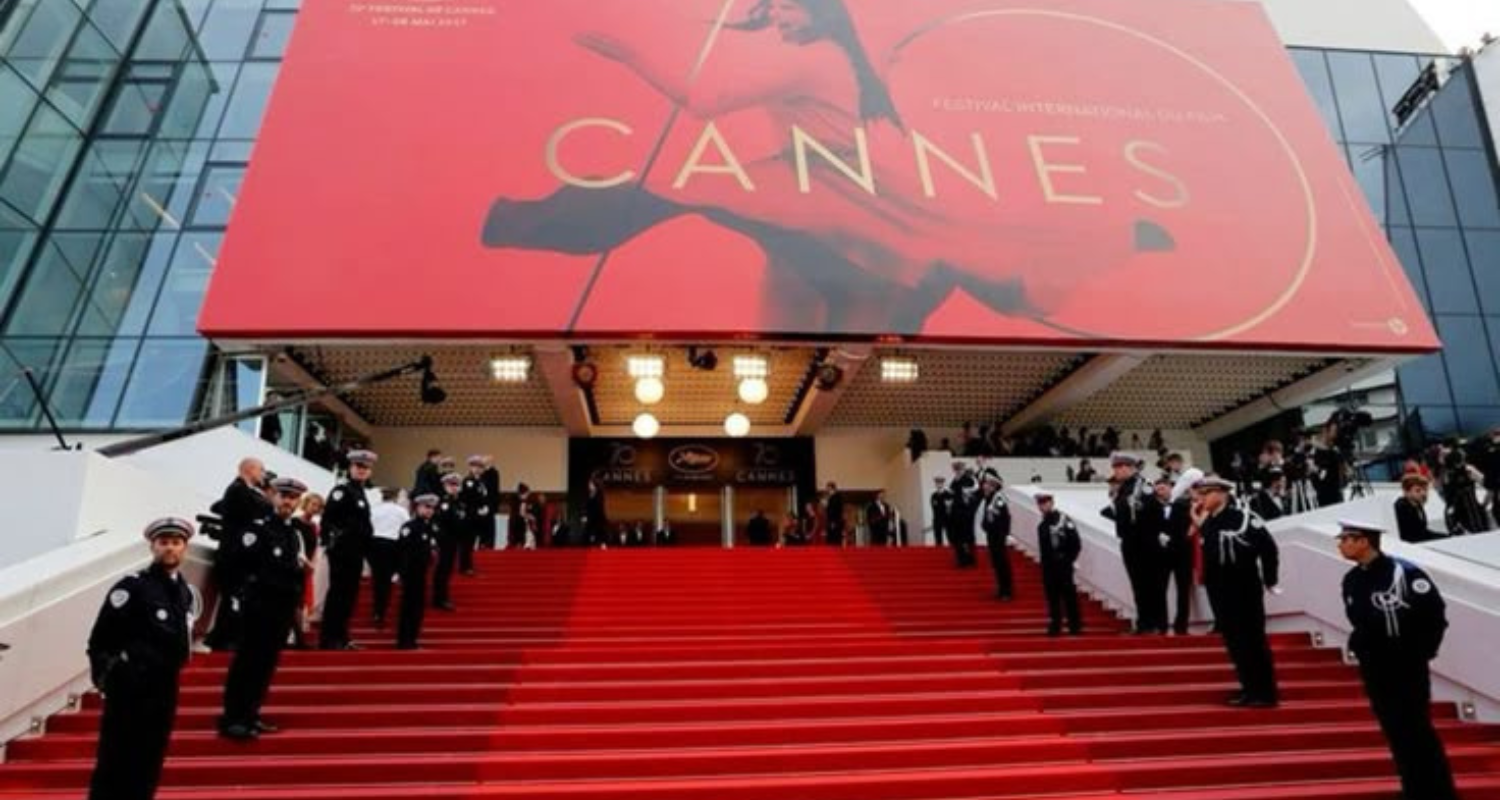

By the time the lights dim along the Croisette, the Cannes Film Festival is never simply unveiling movies. It is introducing arguments, obsessions, breakout performances, and the first whispers of the awards season to come. The 79th edition, held from May 12 to 23, brings a formidable international slate shaped by celebrated auteurs, ambitious new voices, and films already carrying considerable expectation.
From intimate emotional dramas to genre-bending midnight discoveries, these are the ten titles likely to command the most attention in Cannes, whether in competition, during late-night screenings, or in the conversations that spill from theaters into the cafés of the Riviera.
The Auteurs Return With High Stakes
Pedro Almodóvar’s Bitter Christmas arrives with the kind of anticipation reserved for filmmakers whose work has become a cinematic language of its own. The Spanish director’s return to the Cannes competition promises an emotionally vivid story marked by his familiar gifts for color, desire, grief, and sharply observed human contradictions. At a festival that rewards artistic confidence, Almodóvar’s presence immediately raises the temperature.
Ryûsuke Hamaguchi’s All of a Sudden is another essential title for critics and international buyers. Hamaguchi has built a devoted following through patient, psychologically precise dramas that find seismic tension in conversation and silence alike. A French-language project from the director signals both an intriguing shift in setting and the potential for another quietly devastating examination of chance, intimacy, and moral consequence.
Cristian Mungiu’s Fjord brings together Sebastian Stan and Renate Reinsve in a Norway-set drama, an unusually compelling pairing for a filmmaker known for meticulous, morally charged storytelling. Mungiu’s films rarely offer easy judgments, instead placing ordinary people in circumstances where every decision carries a shadow. That sensibility could make Fjord one of the competition’s most debated works.
International Cinema Takes Center Stage
Andrey Zvyagintsev’s Minotaur is poised to be among the festival’s most scrutinized premieres. The Russian filmmaker has long been associated with emotionally severe, visually controlled studies of family, power, and national unease. Shot in Latvia, the new film carries the air of a major artistic return and is likely to invite attention not only for its subject matter, but for the force of its director’s perspective.
Hirokazu Kore-eda’s Sheep in the Box offers a different kind of anticipation. The Japanese director is celebrated for making domestic life feel endlessly expansive, finding tenderness and ambiguity in the bonds that connect parents, children, strangers, and chosen families. Cannes audiences often respond strongly to films that turn small gestures into emotional revelations, and Kore-eda has made a career of doing exactly that.
Paweł Pawlikowski’s Fatherland is also likely to emerge as a major contender. Pawlikowski’s work has combined formal elegance with stories shaped by history, memory, and fractured identity, most memorably in the Oscar-winning Ida and the widely acclaimed Cold War. A new feature from the Polish filmmaker will inevitably arrive with elevated expectations, particularly in a competition lineup rich with directors who understand Cannes as both a showcase and a proving ground.
Boundary-Pushing Stories After Dark
Jane Schoenbrun’s Teenage Sex and Death at Camp Miasma may have the year’s most unforgettable title, but its appeal extends beyond provocation. Schoenbrun has become one of contemporary cinema’s most distinctive voices, using horror, adolescence, and pop-cultural memory to explore identity and alienation. Screening in Un Certain Regard, the film is already positioned as a likely midnight talking point, where cult appeal and serious critical interest can meet.
Na Hong-jin’s Hope carries comparable genre intrigue. The South Korean filmmaker behind The Wailing and The Yellow Sea has a gift for transforming dread into atmosphere, gradually tightening suspense until the audience feels trapped inside the film’s world. His Cannes entry suggests an experience designed to unsettle, and it may offer one of the festival’s more visceral departures from the quieter dramas that traditionally dominate the awards conversation.
Then there is Nicolas Winding Refn’s Her Private Hell, playing out of competition. Refn’s work is rarely subtle, but it is almost always visually audacious, rhythmically hypnotic, and impossible to mistake for anyone else’s. The title alone invites speculation, while the director’s history of turning violence, glamour, and desire into stylized fever dreams makes this one of the festival’s likeliest red-carpet spectacles.
The Human Stories Behind the Buzz
Ira Sachs’ The Man I Love rounds out the list with the promise of a more intimate kind of electricity. Sachs has consistently made emotionally literate films about relationships, art, aging, and the difficult negotiations that occur when private desire meets public life. A musical starring Rami Malek gives the project an added note of surprise, suggesting a filmmaker stretching his established sensibility into new territory.
Together, these ten films reflect a Cannes program that looks outward without losing sight of the individual. There are stories of longing and dread, family and history, beauty and rupture. There are auteurs returning to familiar territory and filmmakers deliberately leaving their comfort zones behind.
That mixture is what makes Cannes matter. Before critics have written their reviews and before distributors have set release dates, the festival gives cinema a rare moment of possibility. On the French Riviera, a film can arrive as a rumor and leave as the title everyone will be discussing for the rest of the year.