
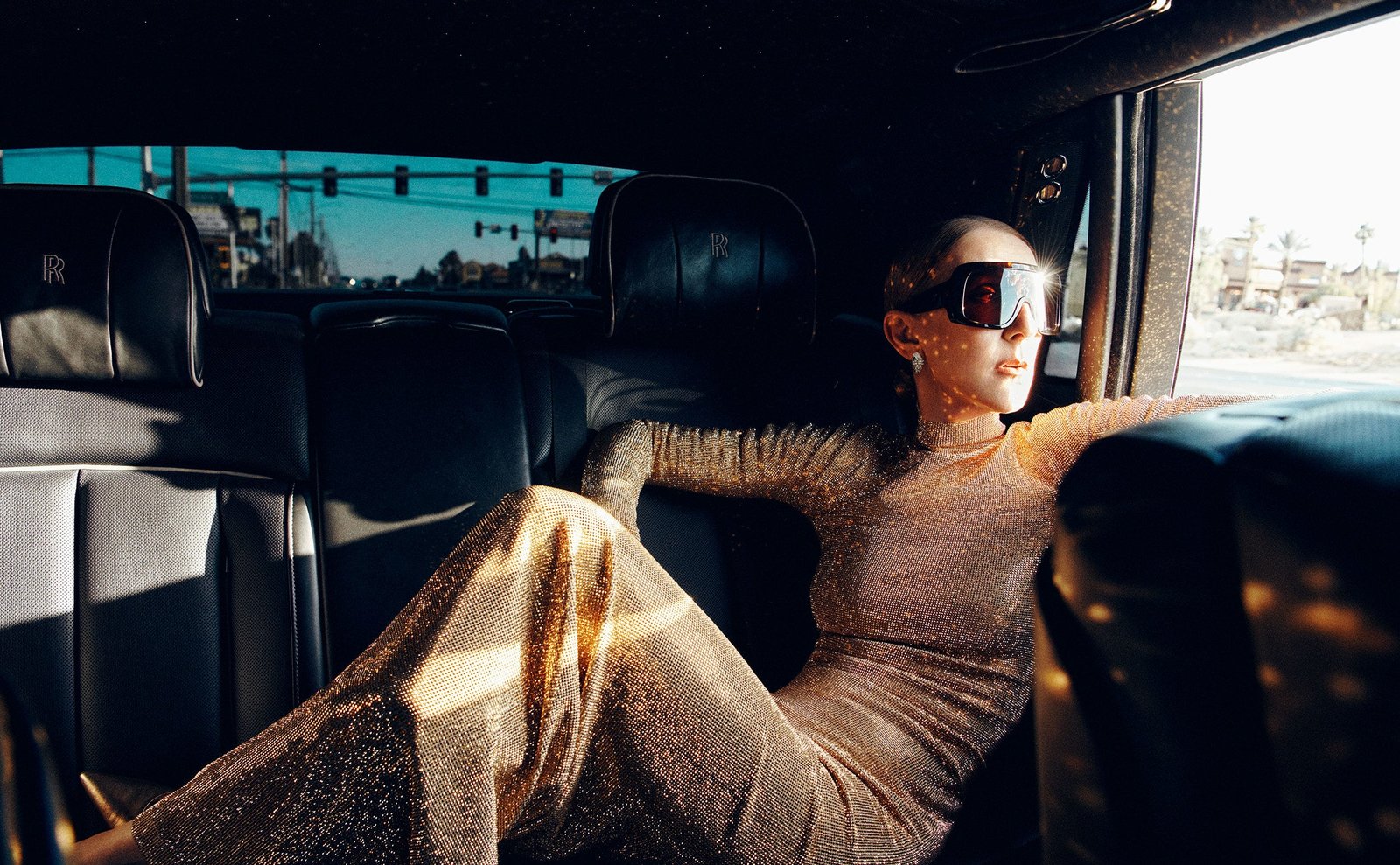

Somewhere beneath the Palms Casino Resort, just off the Las Vegas Strip, sits a recording studio that has seen countless victories. On one evening in June, something quietly extraordinary is happening in it: Celine Dion is doing Pilates. She stands with a leg raised on a ballet barre in a nude leotard, lithe and poised, her hair in a perfect bun, and slides into a wide split with ease. The moment is hard-won.
In 2022, Dion was diagnosed with stiff-person syndrome, a rare neurological condition believed to affect only one or two people per million. Because the disorder can freeze her muscles in place, she likes to keep moving throughout the session, cracking a joke or shifting her body into another position between exercises. The room is fitted with weights, a treadmill and a reformer machine alongside the barre, and her trainer notes she is growing more flexible, a compliment that briefly makes Dion panic before she is reassured.
The public first glimpsed the full weight of what she had been living with in the 2024 documentary I Am: Celine Dion, which showed the pain punching holes in her voice, the medication she needed to get through a day, and an episode that left her unable to move or speak. She speaks about performing as if it were an earthly duty, a covenant between herself and her talent.
That she has regained control of her body, and was able to announce earlier this year a five-week residency in Paris beginning in mid-September, is something she frames in near-miraculous terms. For a performer who has described singing as her purpose, the return to a stage is more than a professional milestone.
After Pilates, Dion settles in wearing a thin monogrammed sweater and dusty-rose track pants, a humidifier beside her set precisely to 23 degrees Celsius to protect her voice. When her co-manager shows her a photo of her sons at the Stanley Cup Finals and she is asked whether she likes hockey, her answer is quick and telling: “No, I love my kids. That’s different.”
Her story lends the comeback its emotional charge. The youngest of 14 children from a poor family in a small-town suburb of Montreal, Dion became one of the best-selling singers of all time, an icon across generations and communities. That such a rare condition would strike someone whose rise already felt like a one-in-a-million chance underscores, as she sees it, that luck runs both ways, and that being able to perform again is its own kind of victory.
This piece touches on a serious health condition. Anyone facing similar challenges should consult a qualified medical professional.