

On a wintry journey from the Carpathian Mountains to the blasted edges of Donetsk, a former diplomat walked away from the safety of conference rooms and talking points and stepped into a country at war with itself. He was not there as an emissary anymore. He was there with a camera, with questions, and with the uneasy knowledge that the stories being told in the corridors of power did not match what was happening in the frozen streets. That man was Nicholas Rooney, and the film that emerged from that pilgrimage, “The Pillars of Heaven,” is less a documentary than a reckoning with faith under fire.
In Rooney’s work, faith is not a gentle ornament placed atop life. It is the contested ground on which war, memory, and meaning collide.
Faith In The Fire Of History
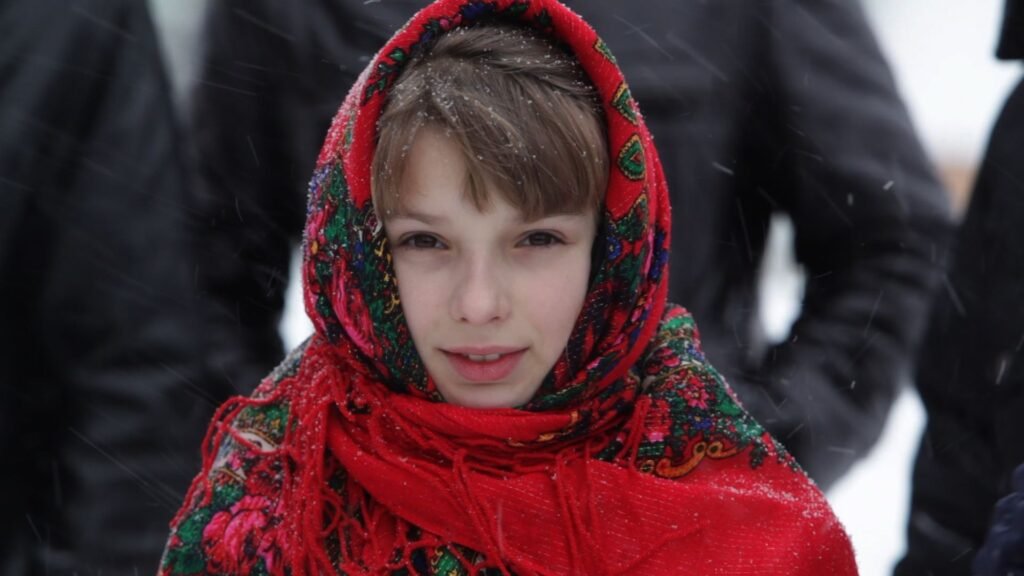
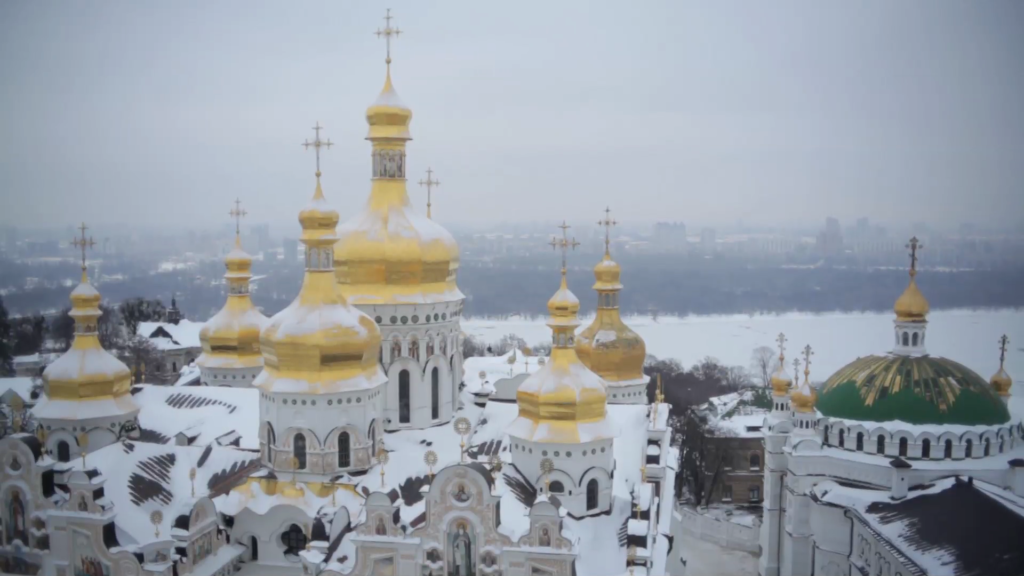
“The Pillars of Heaven” follows Rooney as a young British diplomat who abandons his diplomatic career and risks his own life on a journey across Ukraine as conflict tears apart the country’s borders and its soul. He moves from Christmas Eve to the Epiphany, from monasteries to front lines, listening to soldiers, priests, refugees, and church leaders describe a war that has created more than a million refugees and turned churches into both sanctuaries and fault lines. A church leader reminds him that Christianity in Ukraine survived the 20th century, “when Christianity was cleansed in the blood of many thousands of martyrs,” and therefore will survive these troubled times as well.
Rooney’s films insist that faith is not an abstraction floating above politics. In Ukraine, Christian hierarchies fracture along geopolitical lines, with believers of different patriarchates clashing in the very courtyards where incense still hangs in the air. In this terrain, prayer is not a symbol; it is a decision about whom to stand with when bullets start to fall.
A Cinema Of Sacrifice And Silence
That same moral intensity runs through Rooney’s smaller works. “A Father’s Sacrifice,” an 11‑minute short that retells Abraham’s near‑sacrifice of Isaac, strips the story down to its terror and obedience. The film, inspired by Caravaggio and underscored with sacred music, has won awards at prestigious festivals, including Best Short Historical Film at the WorldFest-Houston International Film Festival in 2020 and an Honourable Mention at Hollywood New Directors 2020, but its real achievement is the way it forces viewers to sit with a question that cannot be answered cleanly: what does it mean to trust a command that breaks the heart?
“Il Rimedio,” shot in the Dolomites during the pandemic, takes the Stations of the Cross written by St. Francis of Assisi and places them in a contemporary landscape of fear and isolation. A solitary figure turns to the sufferings of Christ as the world shuts down during Covid, suggesting that the remedy promised by faith is not escape from crisis but the courage to walk through it.
Rooney has said he creates for viewers “who feel a disconnect between what our modern culture sells and what our souls seek.” His films do not resolve that disconnect with sentiment. They dwell in the silence after the gunfire, the pause between the knife and the angel’s hand.
Wonder Amid Violence And Ideology
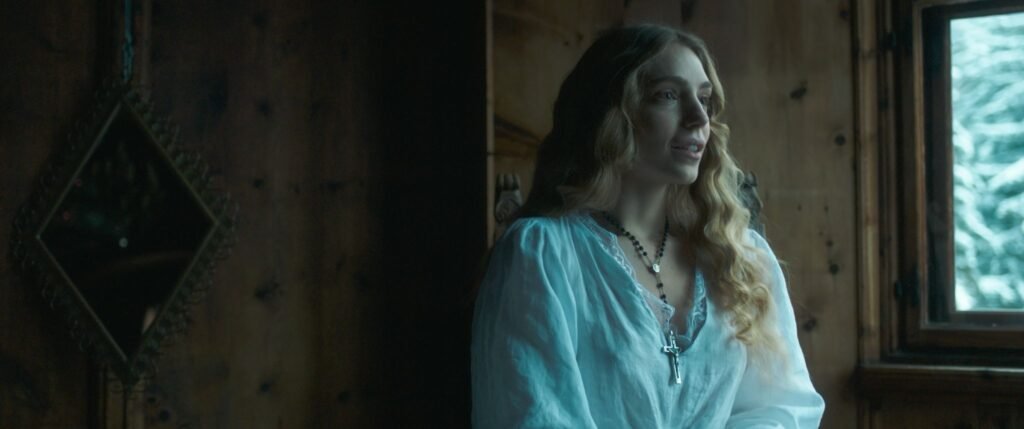
If “A Father’s Sacrifice” and “Il Rimedio” contemplate individual belief, “Guilty Rebel” and “The Wolf in the Moonlight” widen the lens to encompass power and ideology. “Guilty Rebel” adapts Shakespeare’s “The Rape of Lucrece,” staging it in a 13th‑century Italian castle, scored with Monteverdi, and narrated through archival recordings of Richard Burton. Critics have described it as a sensory and philosophical experience, a ritual that forces audiences to engage seriously with desire, temptation, violence, justice, and guilt.
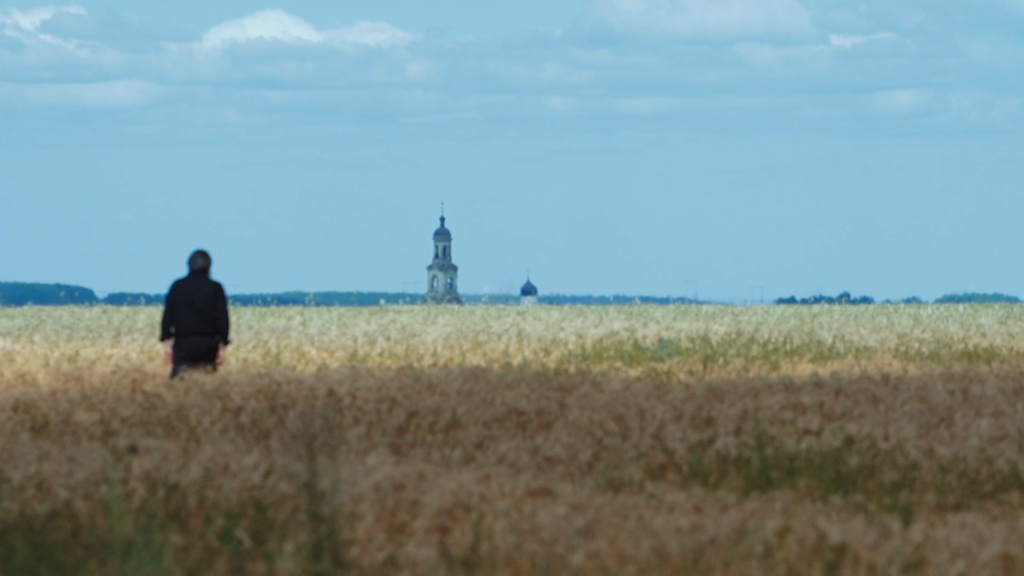
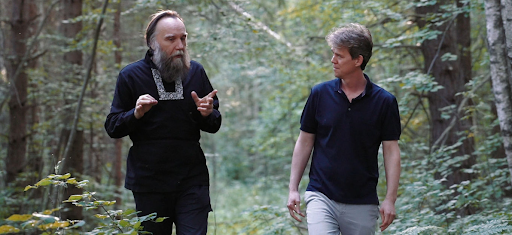
“The Wolf in the Moonlight” turns to Russian philosopher Alexander Dugin, whose ideas swirl at the edge of contemporary geopolitics, and follows a series of interviews that probe war, beauty, death, and the metaphysical foundations of a civilizational clash. Where most political documentaries flatten belief into slogans, Rooney allows ideology to reveal itself as a kind of dark faith—a theology of empire and apocalypse that demands scrutiny.
Across these works, there is a through line. Rooney, who once served with the European Union at the Organisation for Security and Co‑operation in Europe during the Ukraine crisis, has translated the habits of a diplomat—listening, observing, tracing causes—into a cinema of witness. He founded Theatre of Life Productions to house these projects, insisting that film “must have memory and that memory must be interrogated,” and he has chosen independence to keep that promise. He is currently completing the third part of his documentary trilogy on the Russia–West relationship, The Careless Tomb, now in post-production.
Rooney’s films stand as a quiet refusal of distraction. They are not content to merely entertain. They ask what happens to a nation, to a father, to a victim, to a believer when faith is tested by war, by abuse of power, by ideological fervor. They suggest that wonder is not a sentimental glow, but the stunned recognition that, even in the ruins, something holy is still at stake.